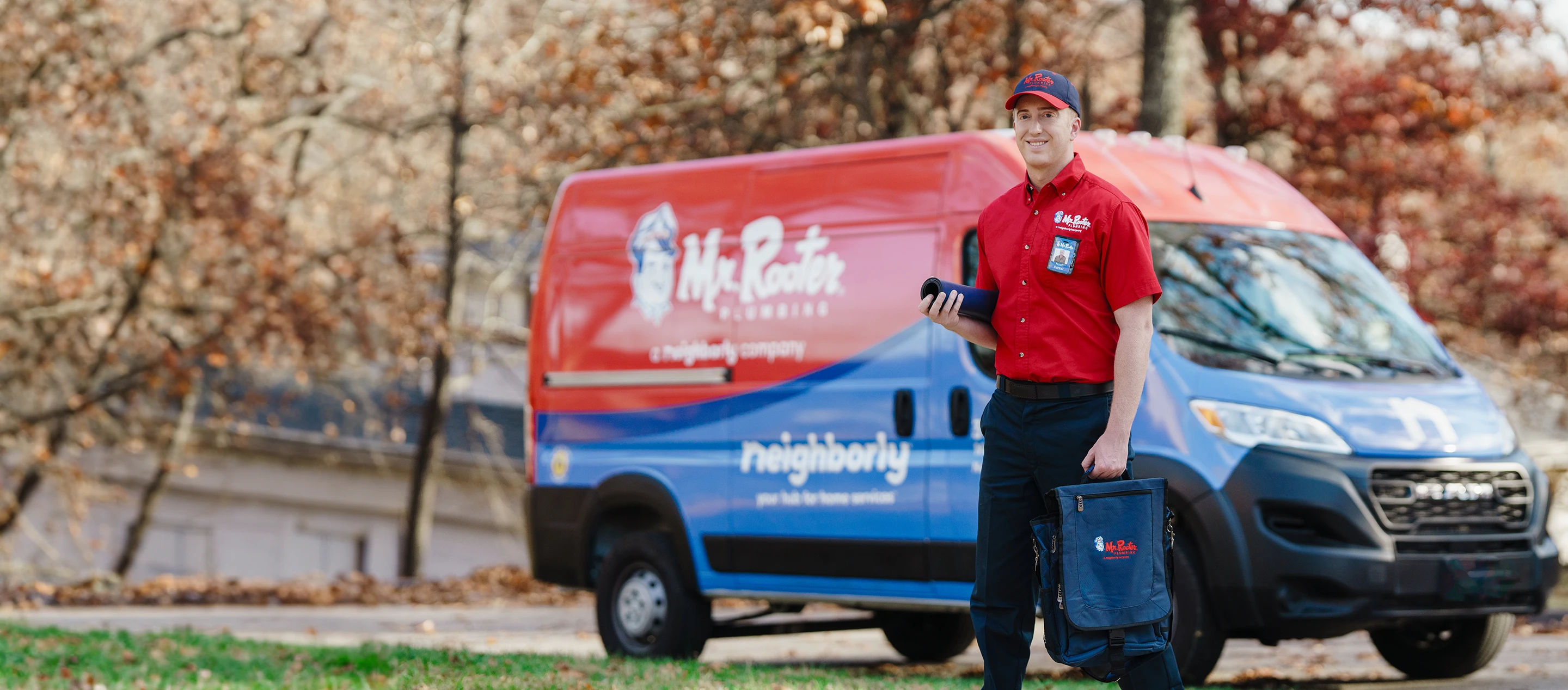
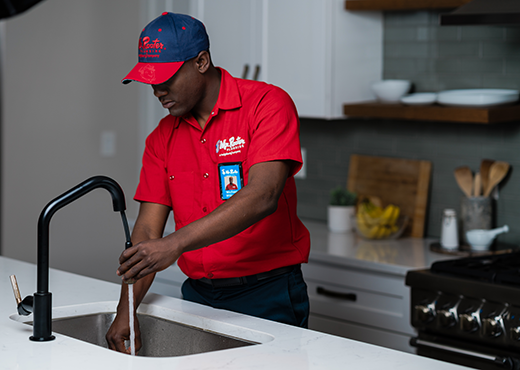
Your home's plumbing is a complex network of pipes, drains, fixtures, and appliances that all need to work together. When one part fails (a corroded pipe, a clogged sewer line, a failing water heater), it affects your entire household. You can't do laundry. You can't take a hot shower. You can't use your kitchen sink. If the problem involves a sewer backup or burst pipe, you're facing potential water damage, health hazards, and costly repairs. That’s where Mr. Rooter Plumbing of New Orleans comes in.
Our New Orleans plumbers handle every type of residential plumbing issue and commercial plumbing systems with the same level of expertise and care. We don't just patch the problem and walk away. We explain what's happening, why it's happening, and what your options are so you can make an informed decision about your plumbing system.
Drain Cleaning and Clogged Drain Service
Slow drains and stubborn drain clogs are more than just annoying. They're often early warning signs of a bigger issue. In New Orleans, many homes have older cast-iron drain pipes, so buildup happens faster than you'd expect. Cast iron corrodes from the inside, creating a rough, pitted surface that catches everything. Soap scum, grease, hair, and mineral deposits cling to those rough spots, narrowing the passage and slowing your drainage. On a camera inspection, we often see a half-inch of scale coating the bottom of the pipe, which means a 4-inch drain is functioning like a 3-inch drain. That's when every flush or shower starts to feel sluggish.
Buildup isn't the only cause. In homes built on slab or pier-and-beam foundations, we also see bellied sections, areas where the pipe has settled or shifted and now holds standing water. That creates a low spot where solids collect, and no amount of snaking will fix it because the slope is wrong. If you've had the same drain "fixed" three times and it keeps coming back, that's often a sign the problem isn't a clog. It's a structural issue with the line itself.
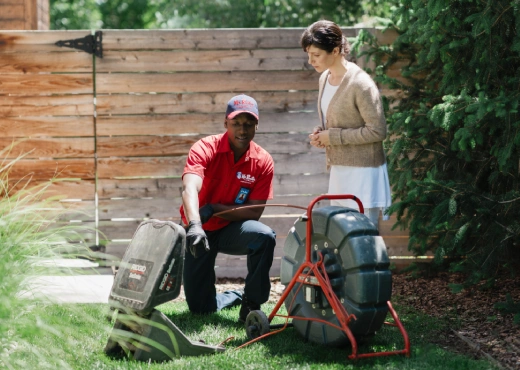
Our New Orleans plumbers provide professional drain cleaning and drain service that actually clears the problem instead of just pushing it further down the line. We use advanced techniques like HydroScrub® Jetting (hydro jetting) to scour your pipes clean, removing years of buildup and restoring proper flow. When standard cleaning doesn't solve the issue, we'll perform a video camera inspection to see exactly what's going on inside your pipes, whether it's scale, a belly, root intrusion, or a separated joint. Video inspections give us the clearest picture of what's happening underground so we can recommend the right fix.
Sewer Line Repair and Sewer Line Replacement
If your home was built before 1980, there's a strong chance your sewer lines are made of cast iron or clay, both of which break down over time. Cast iron corrodes from the inside out, particularly along the bottom of the pipe where waste and moisture sit between flushes. Clay pipes crack and separate at the joints, especially in New Orleans, where subsidence and shifting soil put constant stress on underground sewer lines. In our climate, where tree roots thrive in moist soil and a high water table, root intrusion is one of the most common causes of recurring sewer backup problems.
Here's how it usually starts. Tree roots are drawn to the warm, nutrient-rich moisture that seeps out of a cracked or separated sewer joint. Once a root finds that moisture, it grows toward the opening, then forces its way inside. At first, the root is thin, like a hair, and you won't notice any symptoms. As the root grows thicker, it acts like a net, catching toilet paper, wipes, and waste. Your lowest fixtures will experience slow drainage at first. You could hear gurgling sounds when you flush. Maybe you'll experience occasional backups that seem to clear themselves. By the time you're calling for help, the root mass can completely fill a 4-inch pipe, and the blockage is dense enough that a standard cable won't cut through it.
The other issue we encounter in New Orleans is offset joints, sections of pipe that have separated or shifted due to ground movement. During a camera inspection, you'll see a visible gap, or "step," where one section of pipe is higher or lower than the next. Waste catches at that step, and the line clogs repeatedly, no matter how many times it's cleared. That's not a clog problem. It's a pipe problem, and it requires sewer line repairs or replacement to fix it permanently.
Our licensed plumbers are experts in sewer line repair and replacement. We'll perform a video inspection to assess the condition of your sewer line, identify the exact location and cause of the problem, and then recommend the best course of action. That could be HydroScrub jetting to clear roots, targeted spot repairs for a single bad joint, trenchless pipe lining to rehabilitate the existing line, or full sewer line replacement if the pipe is too far gone. We handle all permitting with the Sewerage & Water Board, so you don't have to worry about compliance.
Water Heater Services and Water Heater Installation
No hot water means no showers, no dishwashing, no laundry. There goes your entire routine. Water heaters last about 10 to 15 years, but New Orleans' water can shorten that lifespan considerably. The municipal water supply contains calcium, magnesium, and other minerals that separate out when heated and settle at the bottom of the tank as sediment. Over time, that sediment layer gets thicker, sometimes two or three inches deep in a tank that hasn't been flushed. That sediment acts as insulation between the burner and the water, so the heater has to work harder and run longer to deliver the same amount of hot water. You'll hear popping or rumbling sounds as steam bubbles rise through the sediment layer. Eventually, that constant overheating weakens the tank floor, and you end up with a water heater leak or a catastrophic failure that floods your utility room or garage.
Another issue we see in New Orleans is homeowners who lose hot water during or after heavy rain because their gas water heater's pilot light goes out. If your water heater is in a low spot (a garage slab that puddles, or a utility room with poor drainage), even a small amount of water intrusion can affect the burner assembly or vent. If you've had to relight your pilot more than once in the last year, that's a sign something isn't right with venting, combustion air, or the heater's location. These water heater issues shouldn't be ignored.
Our New Orleans plumbers provide complete water heater repair and replacement services for all types: traditional tank water heaters (gas and electric), tankless water heaters, and heat pump water heaters. We also handle water heater installation for new construction and upgrades. We'll help you choose the right system for your home's size and usage, evaluate whether your venting and gas supply are adequate, and install it correctly the first time with all necessary permits and inspections.
Leak Detection and Pipe Repair
Not all leaks are obvious. Sometimes you'll notice a spike in your water bill, damp spots on walls or ceilings, or hear the sound of running water when no fixtures are in use. You may even have a patch of grass that stays greener than the rest of your yard. In New Orleans, where many pipes run under slab foundations or through crawl spaces in humid conditions, finding the source requires more than guesswork.
We start with the basics when investigating a hidden leak. We'll shut off all fixtures and check your water meter. If it's still spinning, water is moving somewhere in your system. We'll use acoustic leak detection equipment to listen for water escaping under pressure. It creates a distinct hissing or whooshing sound we can trace along your supply lines. Slab leaks under a bathroom or kitchen often have secondary clues such as tile cracks, baseboard separation, or a warm spot on the floor where hot water is escaping. In slab homes, thermal imaging can detect temperature differences where water is pooling beneath concrete.
One thing we see often in older New Orleans homes is pinhole leaks in copper lines, particularly in homes with acidic or highly mineralized water. Copper is durable, but certain water chemistries cause pitting corrosion over time. If you've had one pinhole leak repaired and then another shows up a few months later in a different section of the same line, that's a sign the pipe itself is reaching the end of its lifespan. It may be time to consider repiping that section rather than chasing leaks one at a time.
Our team uses advanced leak detection technology to pinpoint the exact location of the problem without tearing apart your home. Once we've found it, we'll handle the pipe repair or replacement, whether it's a pinhole leak in a copper line, a corroded section of galvanized pipe, or a cracked cast-iron drain. We'll also explain what caused the leak so you can make an informed decision about whether a spot repair is enough or whether a larger section should be replaced to prevent future failures.
Emergency Plumbing Services and Emergency Plumbers
Plumbing emergencies don't wait for convenient times. A pipe bursts at 2 a.m. A sewer backs up during a storm. Your water heater starts leaking on a holiday weekend. When you're dealing with flooding, sewage, or no water at all, you need help now, not tomorrow.
Here's what to do in the first 60 seconds: stop the water. If you have an active leak or burst pipe, turn off the water supply to that fixture if you can reach the shutoff valve safely. If you can't, or if the leak is inside a wall or under the floor, go to your home's main water line shutoff (usually near the meter or where the supply line enters the house) and turn it off completely. If you're dealing with sewage backup, stop using all water immediately. Don't flush toilets, don't run sinks, and don't start the washing machine or dishwasher. Every gallon you add to the system can make the backup worse. If you have an electric water heater and it's leaking heavily, consider turning off the breaker to that unit to avoid electrical hazards.
Once you've stopped the source, move anything valuable away from the water, take photos or video for documentation, and then call us. We'll ask a few quick questions to understand what you're dealing with, and we'll get a licensed plumber to your home as fast as possible.
That's why our New Orleans plumbers are available for emergency plumbing service. You call, we answer with a real person, not a voicemail. We'll dispatch a licensed plumber to your home as quickly as possible, assess the situation, and take immediate action to stop the damage and restore your plumbing system. We know how to prioritize safety, containment, and repair in that order.
Why Some Plumbing Problems Keep Coming Back (And How We Fix Them Permanently)
If you've had the same drain cleared three times, or the same leak "fixed" twice in six months, you're not dealing with bad luck. You're dealing with a root cause that hasn't been addressed. Here's what we see most often in New Orleans:
- Recurring clogs: If a drain clogs again within weeks or months, the problem isn't what's in the pipe. It's usually the pipe itself. Bellied sections, offset joints, or severe scale buildup will catch debris no matter how many times you snake it. The fix: camera inspection to identify the structural issue, then repair or replace that section.
- Leaks that move: You fix one pinhole leak in a copper line, then another appears six feet away a few months later. That's a sign the pipe is corroding throughout, not just at one weak spot. The fix: replace the affected run rather than patching indefinitely.
- Water heater trips that repeat: Your water heater stops heating, a plumber resets the limit switch or replaces the element, and it works for a while, then fails again. That's often caused by sediment buildup or an undersized unit running constantly. The fix: flush the tank, verify proper sizing, and if the unit is over 10 years old, plan for replacement.
- Toilets that keep running: You replace the flapper, and it runs again a month later. In New Orleans' humid climate, mineral buildup and water chemistry can accelerate flapper deterioration. The fix for toilet repairs: replace the flapper with a high-quality, chemically resistant model and check the fill valve and flush valve for alignment and wear.
At Mr. Rooter Plumbing of New Orleans, we don't just treat symptoms. We diagnose the underlying cause, explain what's really going on, and recommend a solution that fixes it permanently so you're not paying for the same repair over and over. That's the kind of plumbing solutions New Orleans homeowners deserve.
What Our New Orleans Plumbers Look For During a Home Plumbing Inspection
Are you buying a home, dealing with recurring plumbing issues, or simply want peace of mind? A professional plumbing inspection provides a clear picture of your system's condition. Here's what we evaluate during our residential plumbing inspection services:
- Water pressure and flow: We test pressure at multiple fixtures. Low pressure can mean corroded galvanized pipes, a partially closed meter valve, or sediment buildup in your lines. High pressure (over 80 PSI) can damage fixtures and appliances, and cause premature failures, and it's surprisingly common in New Orleans. If pressure is too high, we'll recommend a pressure-reducing valve.
- Drain line performance: We run water in every sink, tub, and shower, and watch it drain out. Slow drainage in multiple fixtures often points to a main line restriction, rather than an individual clog. We also listen for gurgling, which usually means a venting problem or a partial blockage downstream.
- Water heater condition: We check the age, look for rust stains or moisture around the base, test the temperature and pressure relief valve, and listen for unusual sounds. Sediment rumbling, pilot light issues, or a rusty discharge tube are all signs the heater is near the end of its life.
- Visible piping: Crawl spaces, basements, and utility areas are inspected for corrosion, leaks, improper support, and outdated materials on exposed piping. We also check for DIY repairs that don't meet code, including things like rubber hose patches, non-approved fittings, or missing hangers.
- Fixture condition and code compliance: We check toilets for leaks, stability, and proper sealing. We test faucets and valves for drips and proper shutoff. We look at trap configuration under sinks to make sure they're vented correctly. In older homes, we often find S-traps or missing vents that create siphoning issues and sewer gas odors. We also inspect for leaky faucets, which can waste hundreds of gallons of water over time.
We'll walk you through what we found following the inspection, explain what's urgent and what can wait, and provide a written summary as documentation for your records or for a home sale. If you're buying a home in New Orleans, an independent plumbing inspection is one of the best investments you can make, especially in historic properties where outdated systems and deferred maintenance are common.
Toilet Repairs and Backflow Prevention
Toilet repairs are one of the most common calls we receive from New Orleans homeowners. A running toilet can waste up to 200 gallons of water per day, driving up your water bill and putting unnecessary strain on your plumbing system. Our plumbers can diagnose the issue quickly and recommend whether a repair or full toilet replacement makes the most sense for your situation. Some common issues we encounter include worn flappers, faulty fill valves, cracked tanks, wax ring failures, and clogs.
Backflow prevention is another critical service, especially in New Orleans, where flooding and sewer backups are real concerns. Backflow occurs when contaminated water flows backward into your clean water supply, often due to sudden pressure changes in the municipal system during heavy rain or water main breaks. SWBNO requires backflow prevention devices on certain properties, and those devices must be tested annually by licensed professionals. We install, test, and repair backflow preventers to keep your water supply safe. If you're not sure whether you have a backflow device or whether it's up to code, we can inspect your system and provide recommendations based on your property type and local requirements. Backflow testing protects your family and ensures compliance with local plumbing codes.
Additional Residential Plumbing Services
Our full-service New Orleans plumbing team also handles:
- Drain repair and replacement for damaged or collapsed drain lines
- General plumbing repairs for fixtures, valves, and connections
- Clogged drain services for sinks, tubs, showers, and floor drains
- Sewer system backup services
- Water line repair for main supply lines and service connections
- Water softener repair and installation
- Sump pump installation and repair for homes with drainage issues
- Toilet repair and replacement for leaks, clogs, and broken components
- Faucet repair and installation for kitchens, bathrooms, and utility sinks
- Backflow preventer installation and testing to protect your water supply
- Garbage disposal repair and replacement
- Full-service plumbing for bathroom and kitchen remodeling projects
- Plumbing inspections for home purchases, preventive maintenance, and code compliance
Need service today? Call us now or request an estimate online.
Commercial Plumbing Services and Commercial Plumbing Systems in New Orleans
As a locally owned and operated business ourselves, we understand how critical a functioning commercial plumbing system is to your daily operations. A broken toilet in your restaurant bathroom, a clogged drain in your salon sink, or a water heater failure in your office building doesn't just inconvenience your staff. It affects your customers, your reputation, and your bottom line.
Commercial plumbing systems are built differently than residential plumbing systems. They handle higher volumes, more frequent use, and stricter code requirements. Our New Orleans plumbers have the training and experience to work on commercial properties of all types, including restaurants, retail shops, office buildings, and medical facilities. We understand health department regulations, ADA compliance, and the importance of minimizing disruption to your business.
Whether you need routine maintenance, emergency repairs, or a complete plumbing system upgrade, our team will work around your schedule to get the job done efficiently and correctly. We'll handle all necessary permits with the Sewerage & Water Board and ensure your plumbing meets local commercial building codes. Our commercial plumbing services include drain cleaning, water heater services, sewer line repairs, backflow testing, grease trap maintenance, and full system evaluations.
Contact Us When You Need a Plumber in New Orleans!
At Mr. Rooter Plumbing of New Orleans, we handle residential plumbing and commercial plumbing with the same level of care and expertise. Here's what sets our New Orleans plumbing team apart:
- We arrive on time and ready to diagnose the issue, not just treat the symptom
- Every plumber is licensed, insured, and background-checked for your peace of mind
- You see the price before any work begins. No surprises, no hidden fees, no overtime charges
- We stay current on local building codes and Sewerage & Water Board permit requirements
- Our work is backed by the Neighborly Done Right Promise®
- We can take your call 24/7 for plumbing emergencies because problems don't wait for business hours
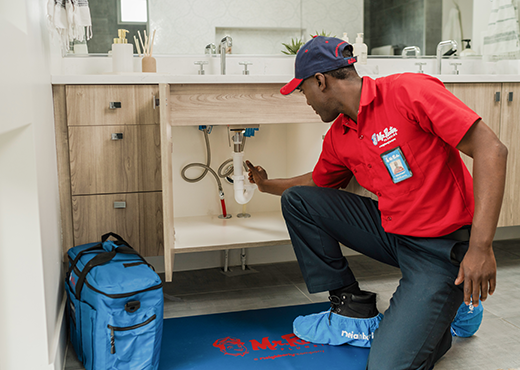
- Our plumbers wear shoe covers, protect your floors, and clean up before they leave
- We offer flexible financing options for larger repairs and replacements
Our New Orleans team provides reliable, respectful customer service. Whether you're in Metairie, Kenner, Harahan, Elmwood, Lakeview, Gretna, Terrytown, Madisonville, Slidell, or nearby communities, your local plumber in New Orleans is here to help with all your plumbing needs. Call us now!
When to Call 311 vs. When to Call a Local Plumber in New Orleans
If you are dealing with street flooding, a clogged or damaged catch basin, or drainage problems outside your property line, the City of New Orleans recommends calling 311 or submitting a request through NOLA 311 online. If the problem is inside your home or on your private plumbing system, such as a leak, a recurring clog, a sewer smell indoors, or water backing up into a tub or shower, it is time to call a licensed plumber. If you are not sure, start with what you can see: street-side drainage issues go to 311, and anything involving fixtures, drains, or water lines on your property belongs with a local plumbing professional.