Stop struggling with a slow or blocked drain and contact the experts at Mr. Rooter Plumbing of Oswego County. We will quickly diagnose the problem, provide a clear solution and restore your drains to their optimal flow. Book your service today.
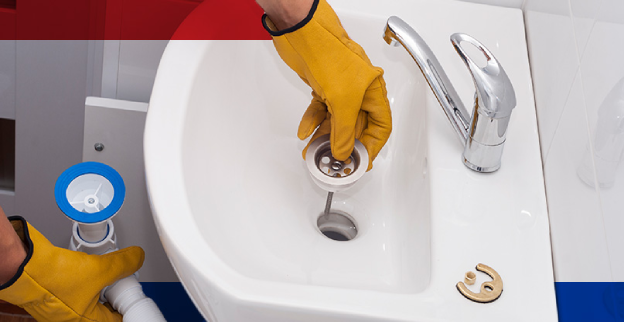
Fast and Effective Clogged Drain Repair in Oswego County
The frustration of a blocked sink, shower or toilet can disrupt your daily routine and create a messy, unpleasant situation. Mr. Rooter Plumbing of Oswego County is the professional solution that gets the job done right, restoring your drains to their optimal flow and providing lasting fixes.
Let Us Call You
Thank you for contacting us!
A representative from our office will get back to you shortly to schedule service.
We're Sorry
Due to a system error, we did not get your request. Please call us for immediate assistance.
We're Sorry
We don't currently provide service to this ZIP code.
Yes! You can email me service reminders and other messages.
Mr. Rooter Plumbing, a Neighbourly company, on its own behalf and on behalf of its affiliates and franchisees requests your consent to send promotional and other electronic messages to you concerning products and services that we believe are of interest to you. By checking this box, you agree to receive these messages. You can unsubscribe at any time.
Text opt-in does not apply for Canadian residents.
Our Advanced Clogged Drain Repairs for Oswego County Homeowners
Our Advanced Clogged Drain Repairs for Oswego County Homeowners
-
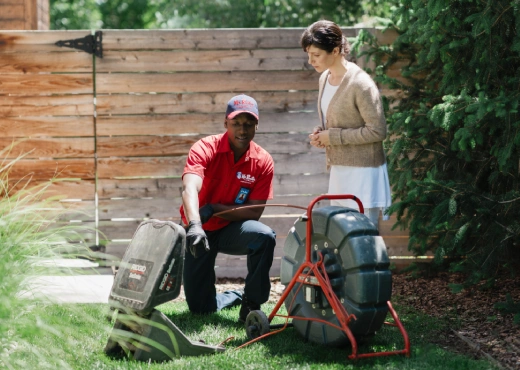
We assess the situation to find the root cause of the clog. This may involve using a video camera to inspect the inside of your pipes and identify the type and location of the blockage or soil probes to find out where the issue lies.
-
You will receive a flat-rate price for the entire job, with no hidden fees or hourly charges. We believe in transparency and honesty, so you will know exactly what to expect before we start the work.
-
For tough, recurring clogs, we offer HydroScrub® Jetting, a powerful system that uses high-pressure water to scour the inside of your pipes, completely removing the blockage and restoring flow. This is a more effective and longer-lasting solution than traditional snaking methods.
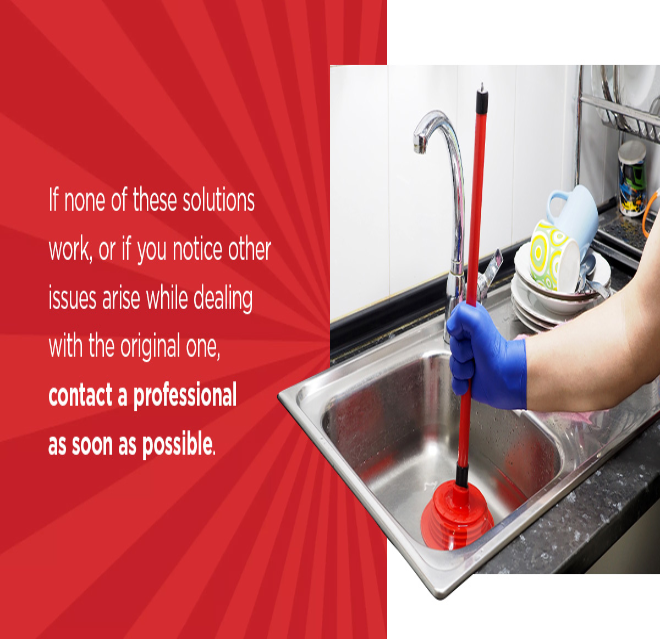
Get Your Oswego County Drains Flowing Freely With Expert Repairs
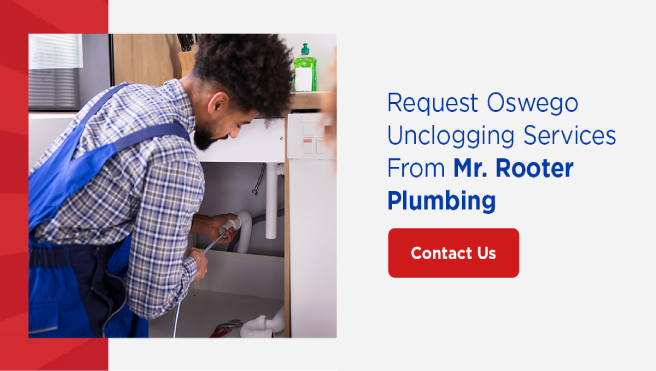
Residential & Commercial Services
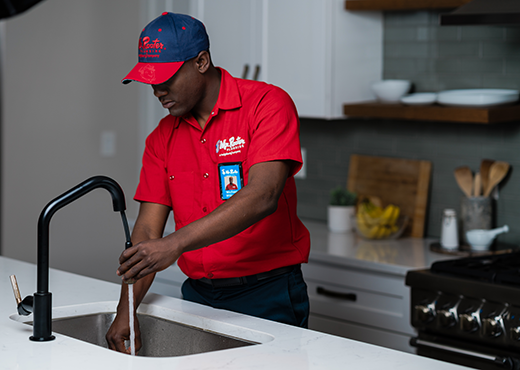




Service You Can Trust!
Let us know how we can help you today.
Mr. Rooter Plumbing of Oswego County
Areas We Serve
- Altmar
- Bernhards Bay
- Central Square
- Cleveland
- Constantia
- Fair Haven
- Fulton
- Hannibal
- Hastings
- Lacona
- Lycoming
- Mallory
- Maple View
- Martville
- Mexico
- Minetto
- New Haven
- Orwell
- Oswego
- Parish
- Pennellville
- Phoenix
- Pulaski
- Redfield
- Richland
- Sandy Creek
- West Monroe
- Williamstown
Services We Provide
FAQs for Clogged Drains in Oswego County
-
When residents of Oswego County need clogged drain repair, you want a company you can rely on. Here is why Mr. Rooter Plumbing is the right choice for your clogged drain needs:
- Guaranteed workmanship: Our licensed, insured plumbers have the expertise to fix the issue right the first time. We stand behind our work with our Neighborly Done Right Promise®, which guarantees your satisfaction.
- Clean and courteous professionals: We know a clog is stressful. Our team is respectful of your home and always cleans up the work area upon completion.
- Convenient scheduling: We understand that life is chaotic, juggling work, school drop off and extracurricular activities — that is why we offer scheduling on your timeline, so fixing your drains is easy and stress-free.
-
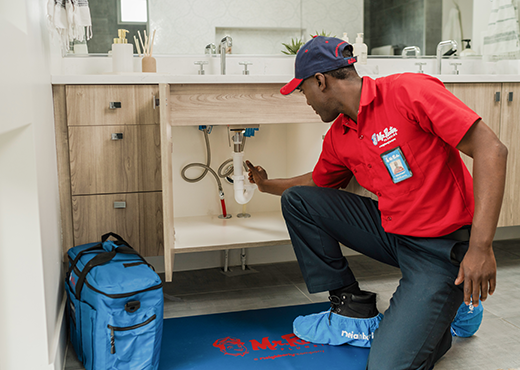
Regardless of where the clog is located, our experienced plumbers have the tools and expertise to clear it quickly and effectively. We handle all types of clogged drains in your home, including:
- Kitchen drains: We clear grease, soap and food blockages that can accumulate in kitchen sinks and garbage disposals.
- Bathroom sinks and tubs: We remove tough clogs from hair and soap scum that can build up in bathroom sinks and tubs.
- Clogged toilets: We resolve toilet backups quickly and sanitarily, preventing overflows and potential water damage.
- Floor drains: We clear floor drains in basements, garages and laundry rooms, preventing backups and protecting your property from flooding.
-
Contact the experts at Mr. Rooter Plumbing. Our expert team will be happy to diagnose the problem and find a solution to unclog the drain.
Service You Can Trust!
Let us know how we can help you today.
Let Us Call You
Thank you for contacting us!
A representative from our office will get back to you shortly to schedule service.
We're Sorry
Due to a system error, we did not get your request. Please call us for immediate assistance.
We're Sorry
We don't currently provide service to this ZIP code.
Yes! You can email me service reminders and other messages.
Mr. Rooter Plumbing, a Neighbourly company, on its own behalf and on behalf of its affiliates and franchisees requests your consent to send promotional and other electronic messages to you concerning products and services they believe are of interest to you. By checking this box, you agree to receive these messages. You can unsubscribe at any time.
Text opt-in does not apply for Canadian residents.