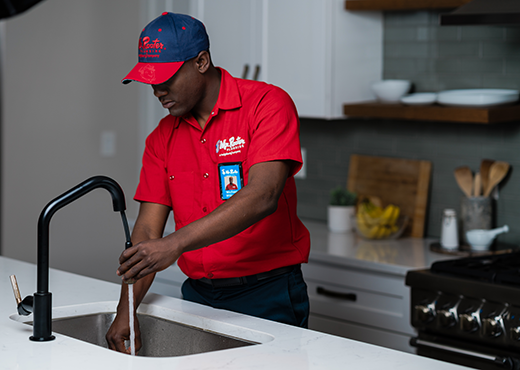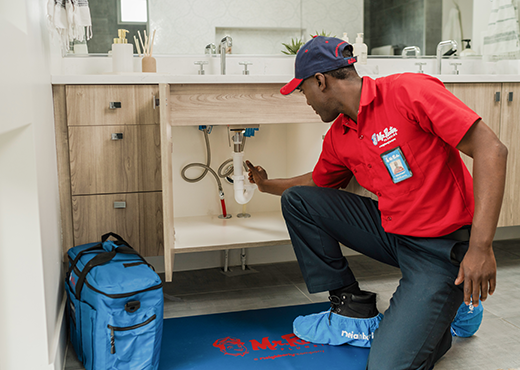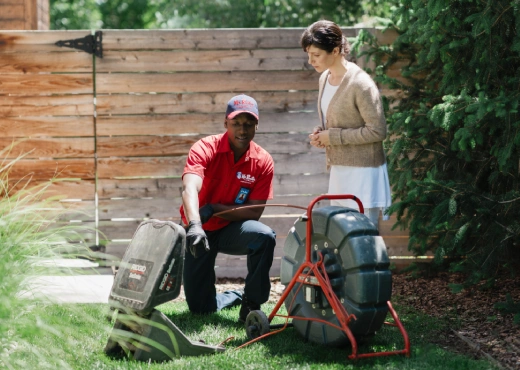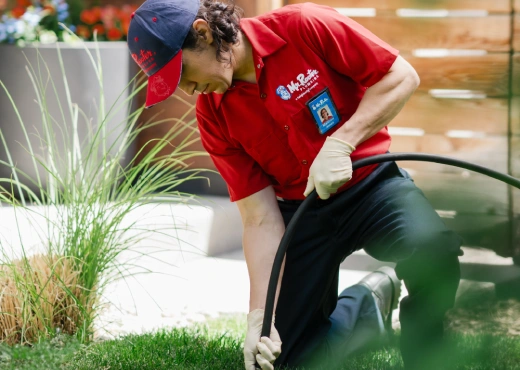
As part of standard maintenance, most systems should be inspected at least every three years and pumped every three to five years.
You should also call a professional plumber if your system smells or is blocked. You may notice your drains and toilets draining slowly, water backing up into your drains or gurgling. Outside, there may be black ooze, pooling water or spongy conditions near your tank or drainfield. You should also look for otherwise inexplicable changes in your lawn. Septic waste can cause brown or yellow patches, but it can also cause bright green grass.
Common septic system issues include wall corrosion, wall detachment, a full tank and roots affecting the system.
You can prevent problems by using water efficiently. Consider low-flow and high-efficiency fixtures and appliances. You should also avoid driving or parking on your drain field. While you can plant grass or flowers, do not plant shrubs or trees in your drain field, as these plants have deep roots that can damage the system.
One of the best ways to protect your septic system is to avoid sending anything down the drain except septic-safe toilet paper and organic waste, even if the products claim to be "flushable." This includes harsh chemicals, which can kill the bacteria needed to break down waste. If you have a garbage disposal, use it sparingly.
Never put these items into your system:
- Paint
- Bleach
- Cat litter
- Tampons
- Wet wipes
- Pesticides
- Grease and oil
- Coffee grounds
- Chemical drain uncloggers