We install various sewer backup systems. Not sure which one is right for you? Our technicians can guide you through the pros and cons and help you pick the best option for your home.
- Backwater valves: A sewer backflow prevention valve is a one-way valve on the main sewer line, allowing wastewater out while preventing sewage from getting back through.
- Automatic flood gate systems: A no-power, passive flood defense system that activates a watertight panel during floods and backflow.
- Alarm-based overflow detection systems: These modern systems use Wi-Fi to alert the homeowner about a potential backup.
Signs You May Need a Backup Prevention System
If you have any fixtures below the sewer line level, such as basement bathrooms, you should consider a backup prevention device. It’s a small expense now that could save you from a costly cleanup in the future.
You should also call us if you or your neighbors have experienced sewer backups in the past—unfortunately, lightning can and often does strike twice, so make sure you’re prepared the next time.
We also recommend installations to prevent sewer backup in older sewer lines, as well as homes in flood-prone areas of the city.
Our Installation Process
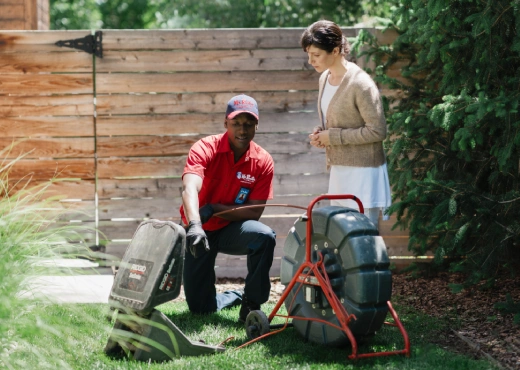
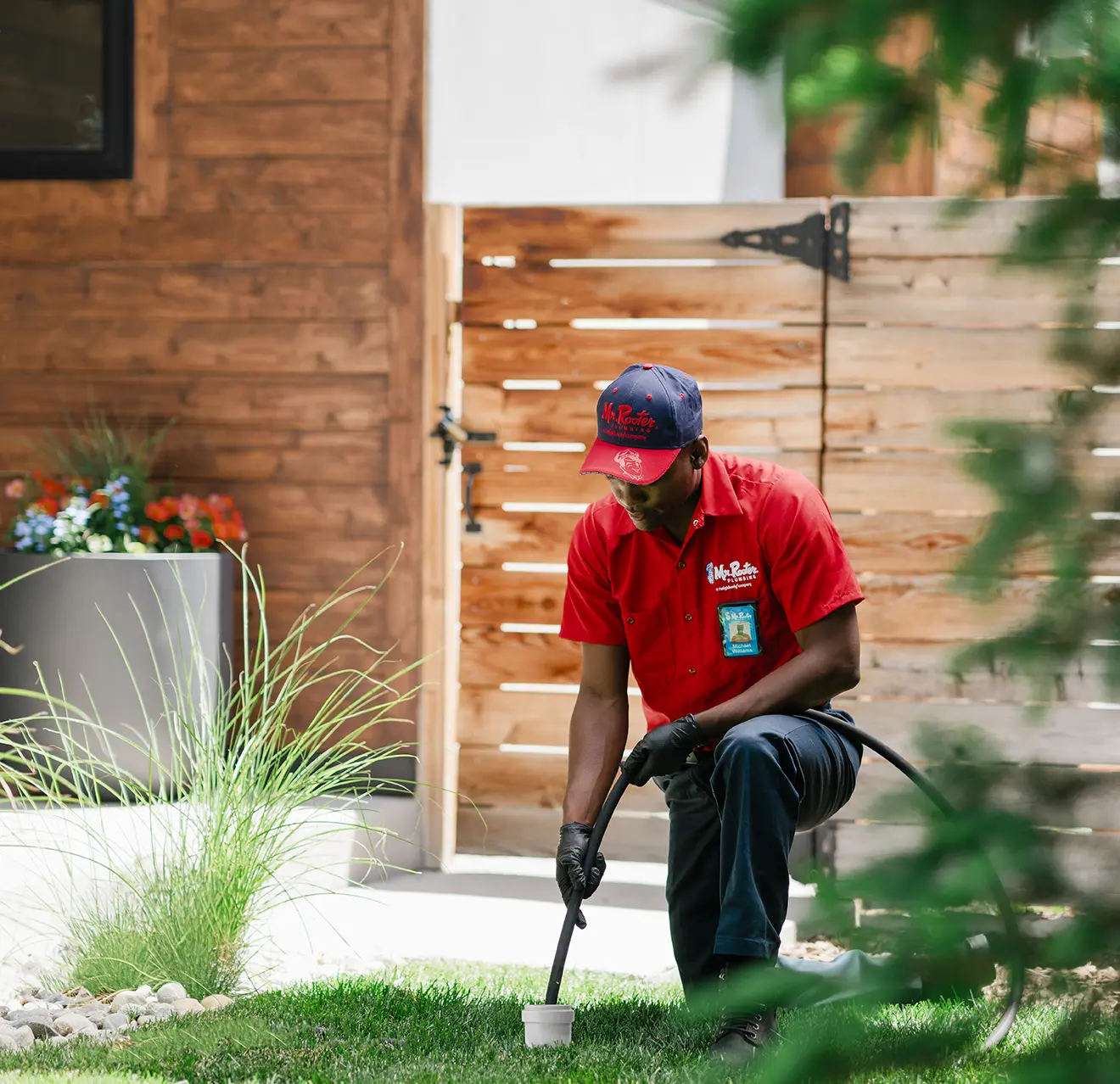
We pride ourselves on being thorough and delivering the best outcome for our customers, so we begin every job with a camera inspection of your sewer line. It removes guesswork from the equation and gives our technicians a clear view of your system, including the property layout.
Once they have this information, the Mr. Rooter® technician will recommend a specific sewer backup system. You’ll receive an upfront, transparent quote—no hidden charges, no nonsense. You’ll know exactly what’s happening, how long it will take, and how much it will cost before the job begins, and with our licensed and insured local technicians on the case, you’re guaranteed a professional, code-compliant installation.
After installing the system, our technicians will run a series of checks to test functionality before cleaning up after themselves and educating the homeowner on how the system works and how they can maintain it.