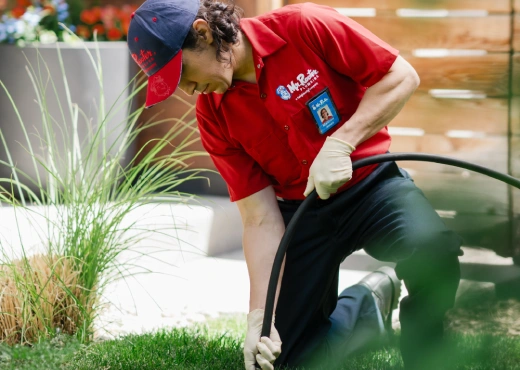

New Orleans sits on soft, water-saturated soil, and a lot of the city's slabs have shifted at least a little since the day they were poured. That movement stresses joints and fittings in ways homes on stable, dry ground never deal with, and it's a big reason slab leaks show up here more often than in drier parts of the country. Add in decades-old cast iron supply lines in the city's older housing stock, plus a humid climate that lets mold take hold within days of a leak starting, and a small drip can turn into a real problem fast.
The signs are usually there before the damage is. A water bill that jumps for no obvious reason is often the first clue, especially if nobody's changed their water habits. So is the sound of running water when every tap in the house is off; that's frequently a line leaking somewhere it shouldn't be. Damp carpet, warped flooring, or a patch of mildew that keeps coming back even after cleaning all point toward moisture working its way up from below. A sudden drop in water pressure at the shower or the kitchen sink can mean the same thing. None of these signs tell you exactly where the leak is on their own. Taken together, they're usually enough to justify a call before the water bill or the repair estimate climbs any higher.
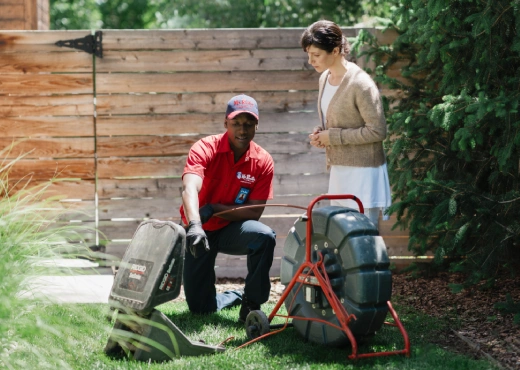
Heavy rain and hurricane season make the guessing harder, not easier, since runoff and humidity can mask the exact signs a homeowner would otherwise notice. That's part of why New Orleans leak detection calls for equipment built to locate a problem precisely, rather than a rough estimate of where digging should start.