Sewer line problems can begin with slow drainage and develop into recurring backups that affect several fixtures throughout your home. Recognizing the warning signs early can help you determine when professional evaluation is needed. Because older sewer lines may be affected by roots, buildup, or deteriorating pipe materials, recurring symptoms should not be ignored.
Watch for these common signs:
- Multiple Slow Drains: If sinks, tubs, and showers drain slowly at the same time, the issue may be farther along the shared drainage system rather than in a single fixture.
- Recurring Sewer Backups: Wastewater returning through a toilet, tub, or floor drain can indicate a blockage or another problem in the sewer line.
- Gurgling Sounds: Gurgling from toilets or drains may indicate trapped air or restricted drainage and should be evaluated when it occurs repeatedly.
- Unpleasant Sewer Odors: Persistent sewer-like odors near drains or around the property may signal a drainage or plumbing issue that needs investigation.
- Water Backing Up in Lower-Level Fixtures: Basement floor drains or lower-level plumbing fixtures may be affected when a main drain or sewer line becomes obstructed.
- Repeated Clogs Despite Clearing Individual Drains: If clogs return soon after a fixture drain is cleared, the underlying problem may be deeper in the drainage system.
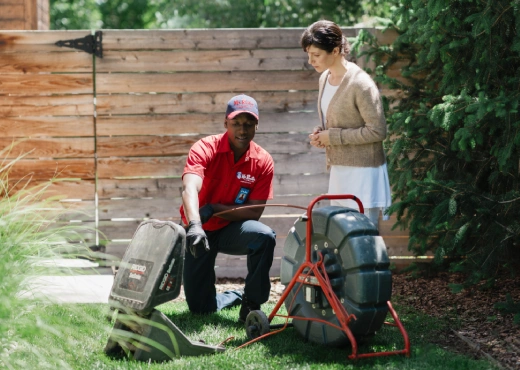
These symptoms do not always mean sewer line cleaning is the only solution. A damaged pipe, root intrusion, or another underlying issue may require additional inspection or repair. If wastewater is backing up into your home, avoid using affected plumbing fixtures and contact a qualified plumbing professional to determine the appropriate next step.