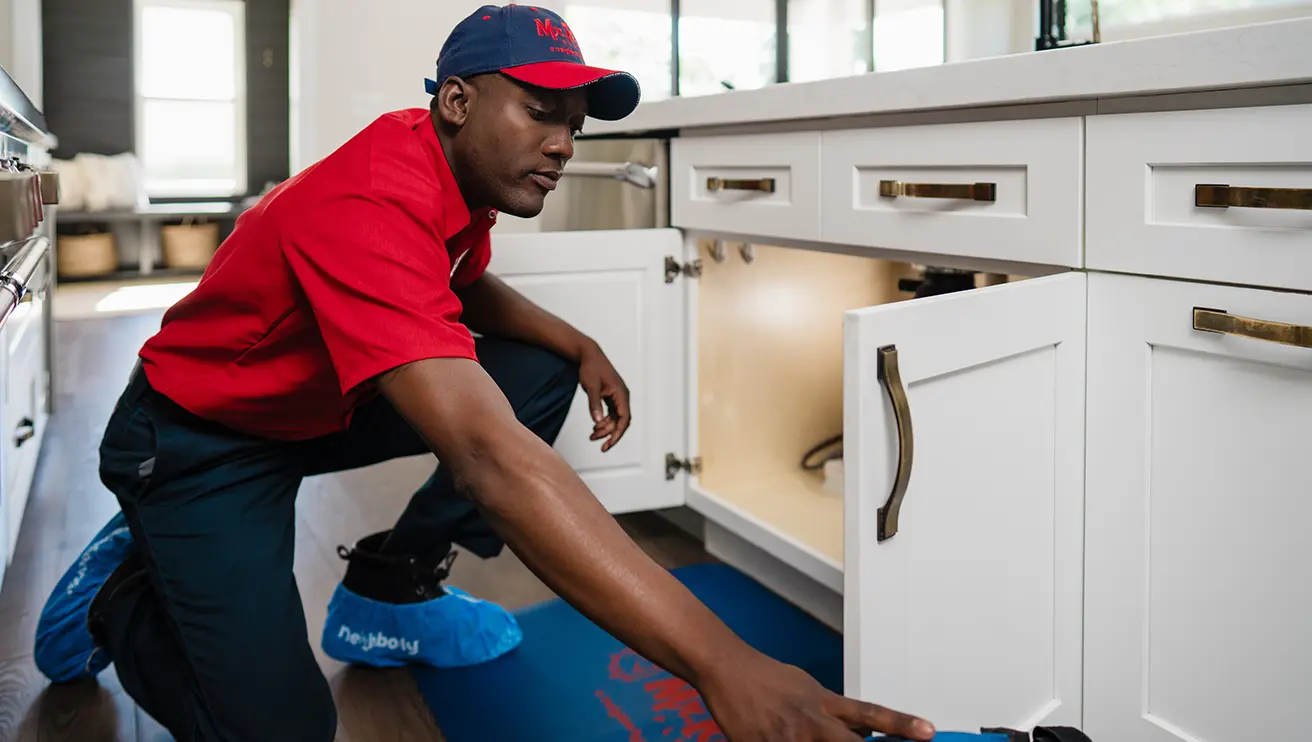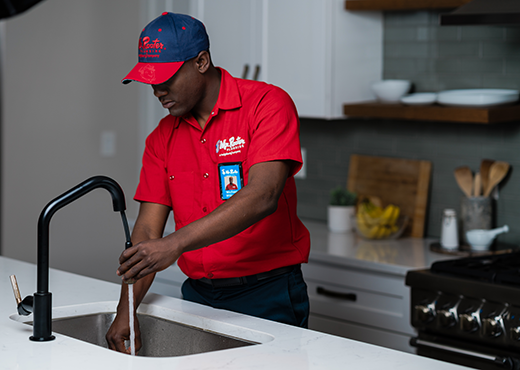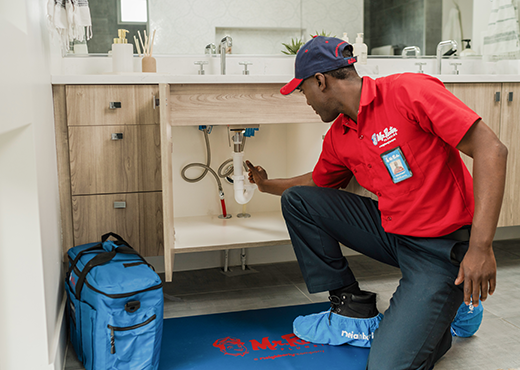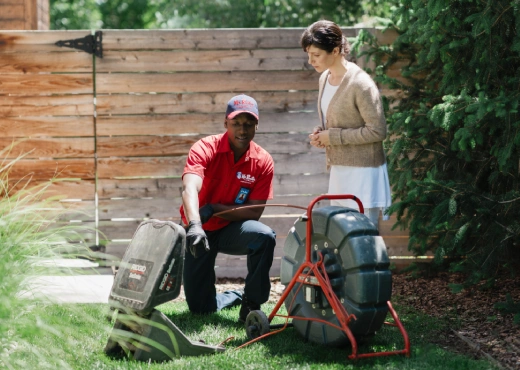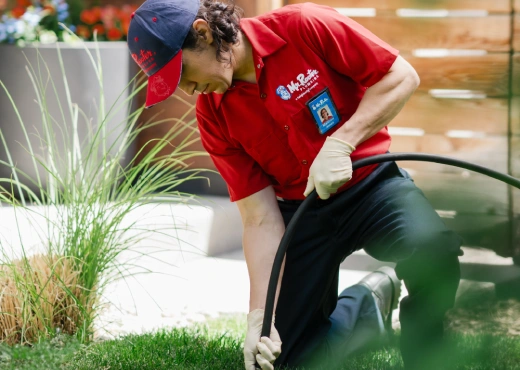
If you notice water backing up in your sink or the flow becoming sluggish, it may be a sign of a clogged drain. However, there are other indicators to consider while watching your drains. It's important to be aware of these signs and contact the drain cleaning team at Mr. Rooter Plumbing of Greater New Hampshire as soon as possible. Our team is here to assess your issue and provide a long-term solution. Don't hesitate to reach out if you notice any of the following signs in your drains:
- Slow-draining and gurgling sinks
- Bubbling noises produced by your toilets
- Backed-up toilets
- Foul odors coming from drains
- Soggy areas around your lawn
- Water puddles collecting around sinks, bathtubs, showers, and laundry appliances
Bathroom Drains
The accumulation of soap, hair, and toothpaste often leads to clogs in bathroom drains. To prevent loose hairs from washing down the shower drain, we advise you to install drain covers. Additionally, running hot water while brushing your teeth can prevent toothpaste from solidifying within your pipes.
Kitchen Drains
The primary causes of clogged kitchen drains include oil, grease, and food particles. When you clean your kitchen after a meal, these substances get washed down the drain. Oil and grease pose a significant problem as they solidify within your pipes. While garbage disposal can assist to some extent, it is still crucial to refrain from disposing of certain foods down the drain, including fibrous vegetables, meat, and bones.
Floor Drains
Floor drains can easily become clogged with dust, dirt, and leaves, leading to potential floor damage. These drains are commonly found in laundry rooms, basements, and garages. It's vital to clean and maintain these drains regularly, even though they may be out of sight. By staying on top of this maintenance, you can prevent many issues arising from clogged floor drains.
At-Home Solutions to Drain Clogs
When determining if your sink is experiencing drainage issues, it's crucial to identify a potential drain clog. To address this concern, Mr. Rooter Plumbing of Greater New Hampshire offers a few straightforward solutions that can effectively resolve the problem:
The Hot Water Method
If water is still moving in your drain, allow it to fully drain while you prepare a pot or kettle of hot water. Using boiled water is highly effective at unclogging drains that have been blocked by hardened oil and fats. Once most or all of the water has drained, carefully pour the hot water into your drain. Remember to schedule regular cleanings and inspections if you notice improved draining in your pipes.
Snaking and Plunging
Another effective method for clearing clogs involves using a plunger and drain snake. Sink plungers, which are smaller and more manageable, can be utilized to bring an obstruction closer to your drain's surface. Following a thorough plunge, you can extract the debris from your pipe using a drain snake. It is advisable to dispose of this material in your trash rather than flushing it down the drain.