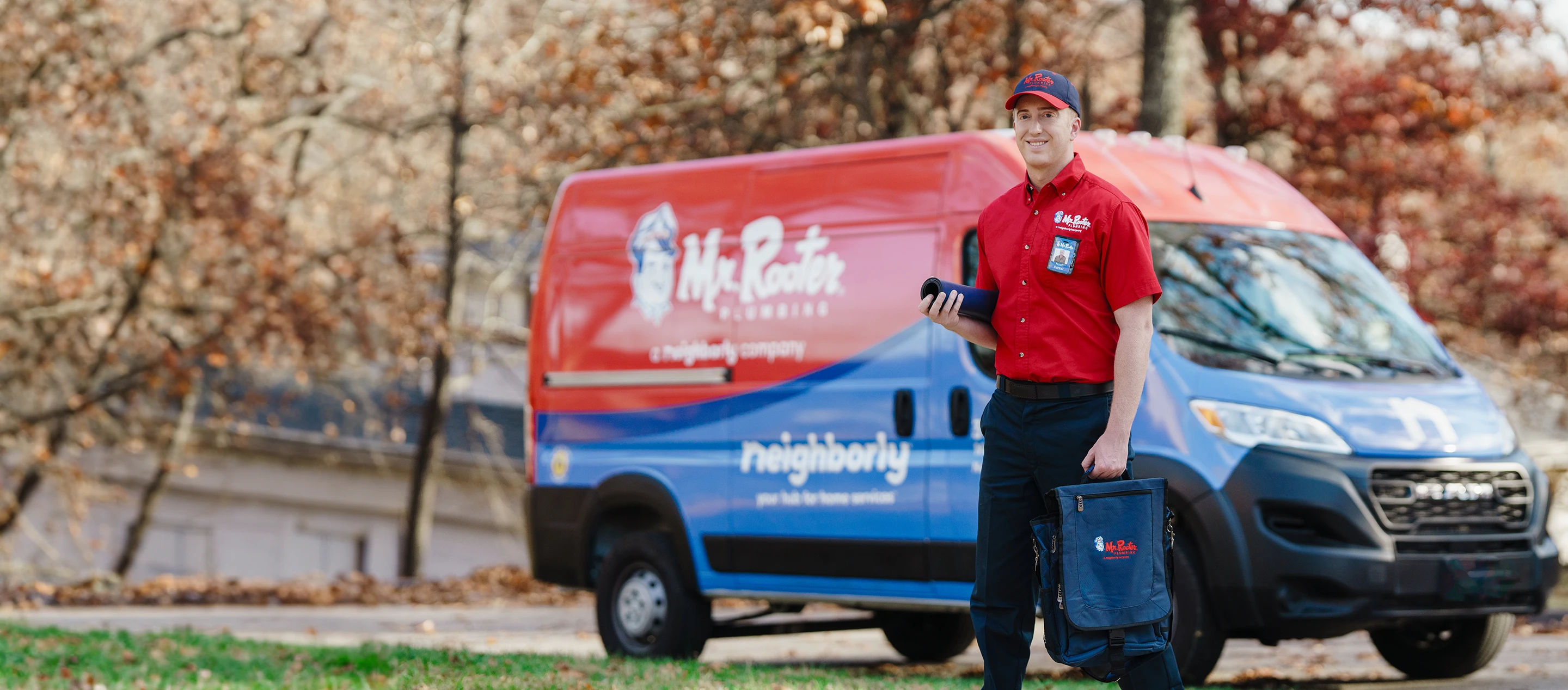
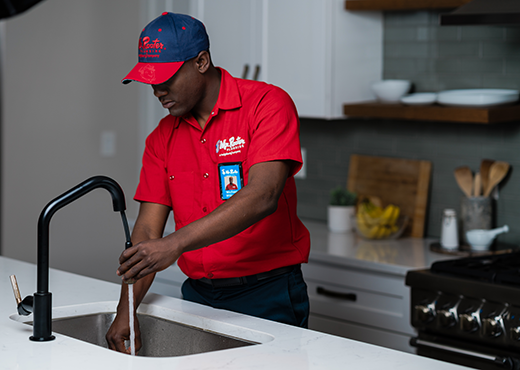
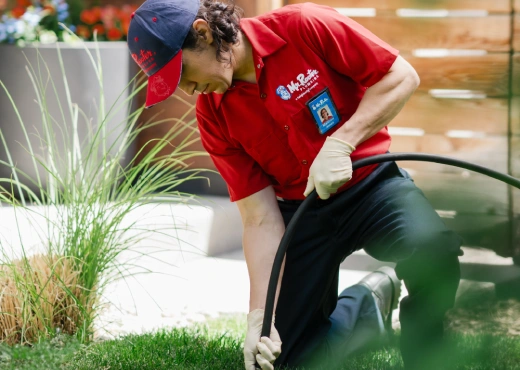
We do not guess or sell you the most expensive fix first. We use diagnostic tools and more than 50 years of combined experience to identify the real problem at hand.
When you call about a slow drain, the first question we ask is whether one fixture is slow or several fixtures are slow. The answer tells us if we are dealing with a local clog or a main line issue. If you report low water pressure, we want to know if the low pressure affects hot water, cold water, or both. We ask if the low pressure happens at all fixtures or at one fixture. The answer points us to the water heater, a valve, or the supply piping itself. Before we recommend a repair, we perform a proper inspection. For sewer problems, we run a camera inspection so you see exactly what we see. For leaks, we test pressure and check for moisture patterns. We find where the water is coming from, not where the water is showing up. You get a clear explanation of what is wrong, your options, and the cost of each option before we touch a tool. An experienced plumber works this way. You should expect this every time.
Why Newark Homeowners Choose Our Local Plumbing Company
You want a plumbing company with local expertise and the trust and backing of a national brand. Mr. Rooter Plumbing of Newark gives you both. Here is what you expect when you schedule service with our team:
- Upfront, flat-rate pricing: You see the cost before any work begins. No hidden fees. No surprises. You know exactly what you are paying for. You decide if you want to move forward.
- No overtime charges: We fix a burst pipe at 2 a.m. or replace a water heater on a Sunday afternoon. You pay the same flat rate. No extra fees for nights, weekends, or holidays.
- Licensed, insured, and background-checked plumbers: Every plumber on our team meets Delaware's master plumber licensing requirements and carries full insurance. You trust who enters your home.
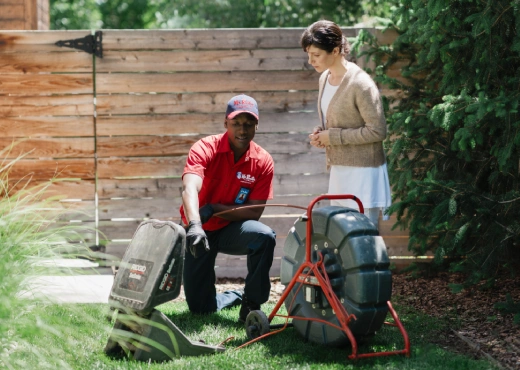
- Expert diagnosis with advanced tools: We use video camera inspections to pinpoint issues inside your drain and sewer lines without guesswork. For tough clogs and buildup, we use HydroScrub Jetting to clear lines completely. When sewer line repair is needed, our trenchless methods minimize digging and disruption to your property.
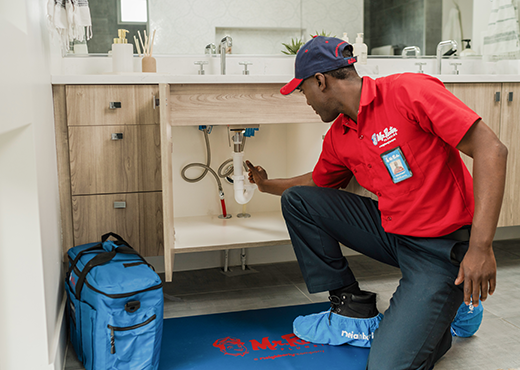
- Respect for your home: Our plumbers wear shoe covers, protect your floors, and clean up thoroughly before leaving. Your home looks the same when we finish. You have working plumbing.
- Neighborly Done Right Promise®: This is our commitment to quality work. If a repair is not done right the first time, we come back and make the repair right.
You see what your neighbors think by checking out our customer reviews, or call us to schedule service with the best plumber in Newark, DE. When you need reliable plumbing services in Newark, we are here to help.
Common Plumbing Problems We See in Newark Homes (and What They Mean)
The toilet flushes fine most of the time, then suddenly will not clear
This often means a partial main line blockage catches waste intermittently. The first few flushes push waste past the obstruction. Once enough material piles up, nothing moves. If you use a plunger every few days or notice slower drains in your basement fixtures at the same time, get the main line checked. We run a camera through the cleanout to see exactly where the blockage is and what caused it. Ignoring the problem usually leads to a basement backup when someone runs a load of laundry or takes a long shower.
Water pressure drops when someone flushes a toilet or starts the washing machine
In Newark, homes with older plumbing often have undersized supply lines, which are common in homes built when fixtures used less water. There may also be a partially closed main valve or heavy mineral buildup narrowing the flow path in your pipes. If the problem occurs only with hot water, the inlet valve or dip tube of your water heater is clogged with sediment. We'll perform a pressure test at multiple fixtures to isolate the location of the restriction. Sometimes, all we need to do is adjust a valve. Other times, we need to replace a corroded galvanized pipe that has lost half the interior diameter to rust.
Wet spot in the yard does not dry out, even when there is no rain
Continuous wet spots in your yard are almost always the result of an underground water line leak or a break in the sewer lateral. Water line leaks appear as soggy, green patches, while sewer leaks can create depressions or unusually lush grass due to the nutrients. Either way, you lose water and pay for it. The longer the leak runs, the more soil shifts under your foundation or driveway, causing additional damage. We use leak detection equipment to pinpoint the exact location before any digging starts, so any landscaping disruption is minimal. If the pipe is old clay or cast iron, we often line or replace the damaged section using trenchless methods.
Gurgling sound in the sink when you flush the toilet
This tells us the drain system is pulling air from the wrong place. The cause is usually a blocked vent stack or a developing main line clog preventing proper airflow. Drains rely on venting to equalize pressure. When the vent is blocked (common with leaves, animal nests, or ice buildup in winter), the system tries to pull air through the nearest drain trap. You hear gurgling. Left alone, the problem siphons water out of traps and lets sewer gas into your home. We check the roof vent stack and run a camera through the drain lines to determine which line is causing the problem.
Water heater makes popping or rumbling sounds
When a water heater starts making a popping or rumbling sound in Newark homes, the cause is often sediment buildup hardening at the bottom of the tank. Newark's water supply contains minerals. The minerals settle over time. Once the layer gets thick enough, it insulates the heating element and forces the element to overheat to warm the water above the sediment. You hear the sound. Left unchecked, the problem shortens the tank's life and drives up your energy bill. The heating element has to work twice as hard. We flush the tank if we catch the problem early. If the sounds are loud and the tank is over 10 years old, plan for replacement before the tank starts leaking.
What Not to Do When You Have a Plumbing Problem
Do not use chemical drain openers for slow drains affecting multiple fixtures
If more than one drain is slow, the blockage is likely in the main line or a shared branch. Chemical cleaners do not reach far enough. Worse, the chemicals sit in the pipe as a caustic liquid. If we have to open a cleanout or pull a toilet to clear the line, the chemical splashes back and causes burns. We have seen homeowners hospitalized from chemical drain opener burns during a plumbing repair. If one sink is slow, a plunger or drain snake is safer. If multiple drains are involved, call us for a camera inspection. We locate and clear the real blockage.
Do not ignore a toilet running intermittently or refilling on its own
This is called phantom flushing. The flapper valve is not sealing. You lose gallons of water every hour. You do not see the water loss because the water trickles into the bowl. Over a month, the loss adds 500 to 1,000 gallons to your water bill. A $10 flapper takes five minutes to replace, or we handle the repair during any service call. The longer you wait, the more you pay the city for water going straight down the drain.
Do not wait on a water heater dripping from the tank itself
If water is coming from the tank seam or the bottom of the unit (not a valve or fitting you tighten), the tank has corroded through and is leaking. The drip will become a flood, often without warning. We have responded to calls where 40 to 50 gallons dumped into a finished basement in under an hour. When you see a tank leak, shut off the water supply to the heater and plan to replace it now. Waiting increases the chance of serious water damage.
Do not run water anywhere in the house if you have a sewage backup
Every gallon you add makes the backup worse. If your basement floor drain, tub, or toilet is backing up with sewage, stop using all water in the house. This includes washing machines, dishwashers, and showers upstairs. Stop using water until the cause is found. Call the City of Newark first at (302) 366-7000 to check the main. If the main is clear, call us. Running one more load turns a 10-gallon cleanup into a 100-gallon disaster requiring professional remediation.
What to Expect When You Schedule Service with Our Newark Plumbing Team
- Before we arrive: We call when we are on the way and confirm the time window. Our trucks are stocked with the most common parts, so we complete repairs on the first visit when possible.
- When we arrive: We introduce ourselves, put on shoe covers, and ask you to walk us through the problem. We want to see what you are seeing and hear when the problem started. Context helps us diagnose faster and more accurately.
- During the inspection: We perform a proper diagnostic. For drain problems, we run a camera inspection. For leaks, we trace the water source and check related fixtures and valves. For water heater issues, we test the temperature and pressure and look for sediment buildup or component failure. We explain what we find in plain language and show you any photos or video from the camera if relevant.
- Before any work starts: You see the price in writing. We explain what the repair involves, how long it will take, and your options. This includes doing nothing if doing nothing is a safe choice. You decide if you want to move forward. No pressure. No surprise charges later.
- After the repair: We test everything to make sure the system works correctly. We clean up our work area, haul away old parts, and walk you through what we did. If there is anything you should watch for or maintain going forward, we let you know. Every repair is backed by our Neighborly Done Right Promise®. If something is not right, call us and we make the repair right.
Emergency Plumbing and Routine Maintenance - We Are Available 24/7
Plumbing emergencies do not wait for business hours. A burst pipe floods your basement in minutes. A backed-up sewer line makes your home unlivable. A water heater failure in January means no hot water when you need hot water most. We are available 24/7 with live phone support. No answering machines. No waiting until tomorrow.
When you call, our Newark plumbers walk you through what is happening, explain what needs to be done, and arrive ready to solve the problem. We handle everything from clogged drains and leaking faucets to sewer line backups, broken water heaters, and frozen pipe repairs. You schedule routine drain cleaning to prevent future clogs or you need an emergency plumber right now. You get the same expert service and upfront pricing.
We serve Newark, Bear, New Castle, Glasgow, Delaware City, Elkton, Kirkwood, Earlville, and the surrounding communities. Call us now to schedule your appointment with the top plumbers in Newark.
Comprehensive Plumbing Services for Every Need
From small repairs to major installations, our Newark plumbing team handles all of the work. Here is what we do:
Drain and Sewer Services
We clear clogged drains, repair and replace sewer lines, and use video camera inspections to diagnose hidden blockages. Many Newark homes built before 1980 have clay sewer laterals laid in sections with bell-and-spigot joints. Over decades, tree roots find those joints, infiltrate the line, and create catchpoints for paper and waste. If your sewer backs up slowly over several hours or only when you run heavy water (like laundry or multiple showers), this is the pattern we see with root intrusion. The pattern is different from a sudden blockage. A camera inspection shows us exactly where the roots are and how much damage the roots have caused. Sometimes, hydro jetting clears the roots for another year or two. Other times, the pipe is offset or collapsed. Trenchless lining or a targeted section replacement makes more sense than repeatedly clearing the same spot. Our HydroScrub® Jetting service removes years of buildup, grease, and debris. We restore full flow without harsh chemicals.
Water Heater Service
Your water heater is leaking, making strange noises, or not producing hot water. We diagnose the issue and recommend the best solution. Newark's water contains minerals settling as sediment in tank water heaters. We recommend flushing the tank every 12 to 18 months to remove buildup before it hardens. If you hear popping or rumbling, the sediment layer is already thick. Flushing extends the tank's life by several years and keeps your energy bills lower. The heating element does not have to work through an insulating layer of mineral deposits. We repair and replace both traditional tank water heaters and tankless systems. We help you choose the right size and type for your home's needs.
Leak Detection and Pipe Repair
Hidden leaks waste water and cause serious damage over time. Many Newark homes built before 1970 still have original galvanized steel supply lines or cast iron drain stacks. Galvanized pipe corrodes from the inside out. You often see good water pressure at first. Then you see a gradual decline over months as the pipe diameter narrows with rust buildup. Cast iron eventually develops pinhole leaks or cracks where the pipe meets fittings. If you are seeing rust-colored water only at one fixture or your water pressure has dropped in part of the house, the pipe material itself is failing. We perform a pressure test and camera inspection to map exactly which sections need replacement. You are not guessing or paying to redo plumbing with years of life left. If your home has older pipes prone to leaks, we also provide whole-home repiping services.
Fixture Installation and Repair
From new faucet installations and toilet repairs to garbage disposal service and sump pump installations, we handle all your fixture needs. If you are planning a kitchen or bathroom remodel, we rough in supply lines, install drain stacks, pressure-test the system, and set fixtures. Everything works correctly and meets the requirements for safe operation.
Gas Line Services
We install, repair, and replace gas lines for appliances like water heaters. We always follow strict safety standards. If you smell gas near a gas appliance or line, leave the house immediately and call the gas company emergency line. Call us once the area is safe.
Well Pump Service
For homes with well water systems, we provide well pump repairs, replacements, and maintenance to keep your water supply reliable. If your well pump cycles on and off frequently, you hear clicking at the pressure switch, or you have low water pressure throughout the house, have the pump and pressure tank checked.
No matter what plumbing service you need, you get the same commitment to quality, transparency, and customer satisfaction. Financing options are available for larger projects like water heater replacements, sewer line repairs, and repiping.
How Newark Homeowners Avoid the Most Common (and Expensive) Plumbing Problems
Annual water heater flush (especially important in Newark)
Newark's water contains dissolved minerals settling as sediment in tank water heaters. We recommend flushing the tank every 12 to 18 months to remove buildup before it hardens. If you hear popping or rumbling, the sediment layer is already thick. Flushing extends the tank's life by several years and keeps your energy bills lower. The heating element does not have to work through an insulating layer of crud.
Main sewer line inspection every 3 to 5 years if you have mature trees
Tree roots grow toward water sources. Your sewer lateral is a magnet. If your home was built before 1980 and you have trees within 20 feet of the sewer line path, a camera inspection every few years catches root intrusion before the intrusion becomes a backup. We have seen roots completely fill a 4-inch clay pipe in under three years once the roots find a joint. Clearing roots early with hydro jetting costs a fraction of what an emergency backup and cleanup runs.
Test your sump pump twice a year (spring and late fall)
Pour a few gallons of water into the sump pit and make sure the pump kicks on, runs smoothly, and shuts off when the water level drops. Check if the discharge line is frozen (winter) or clogged with debris (spring). Most sump pump failures happen during the heaviest rain when you need the pump most. If the pump hesitates, makes grinding noises, or does not stop running, replace the pump before the next storm.
Insulate exposed pipes before the first freeze
Newark sees multiple freeze-thaw cycles every winter. Pipes in unheated crawlspaces, exterior walls, and garages are vulnerable. Foam pipe insulation costs a few dollars per section and takes 15 minutes to install. The insulation is the easiest way to prevent a $3,000 burst pipe repair. If you lose power or heat overnight and temperatures drop into the low 20s, even interior pipes near exterior walls freeze if there is no insulation in the wall cavity.
Local Expertise Meets National Trust
Mr. Rooter Plumbing has been a trusted name in plumbing since 1970, with one of the largest networks of plumbing professionals across North America. Your Newark location is locally owned and operated. We are your neighbors. We are familiar with the older homes in neighborhoods near Main Street and the University of Delaware campus, where original plumbing needs updates. We understand how Newark's clay-heavy soil and seasonal weather patterns affect sewer lines and water pipes. When something goes wrong with your plumbing, you want someone who shows up on time, communicates clearly, and fixes the problem right the first time.
Local knowledge, combined with national resources and support, means you get the best of both worlds. You get a plumbing team that knows your community, and a company with the training, technology, and backing to handle any job.
When to Call the City of Newark vs. When to Call a Plumber
If you have a sewage backup or suspect a problem in the sewer main, start by calling the City of Newark Water & Wastewater Division at (302) 366-7000. The City explains they will dispatch a sewer truck to check the main sewer line in the street for blockages. If the main is clear, calling a plumber becomes the homeowner's responsibility. For water main breaks after hours, on weekends, or on holidays, the City also instructs residents to call (302) 366-7000. If the issue is inside your home, such as a leaking water heater, a burst pipe, a clogged kitchen drain, or a toilet that won't stop overflowing, call a licensed plumber to prevent further damage and get a clear repair plan.