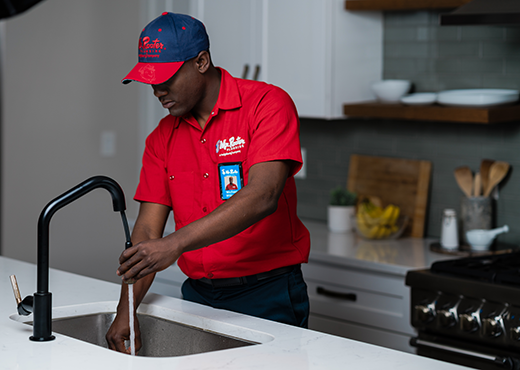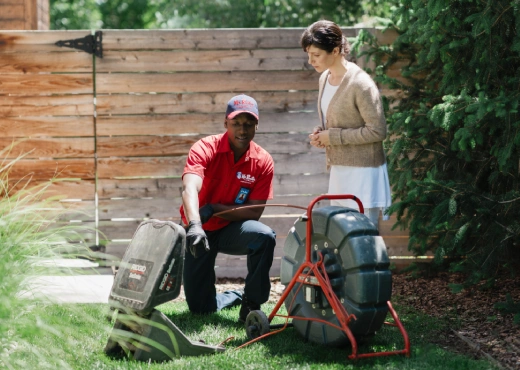

Every water quality improvement starts with professional testing. We collect samples from multiple taps throughout your home to identify contamination sources. Laboratory analysis reveals exactly what's in your water, from mineral content to biological threats, and a detailed report explains each parameter and how it affects your plumbing and health.
Treatment system selection depends on your specific water chemistry. We review test results with you and recommend solutions matched to your contamination profile. A home with hard water and iron problems needs different equipment than one with chloramine taste issues. Each option is explained clearly, including installation requirements, maintenance schedules, and long-term costs.
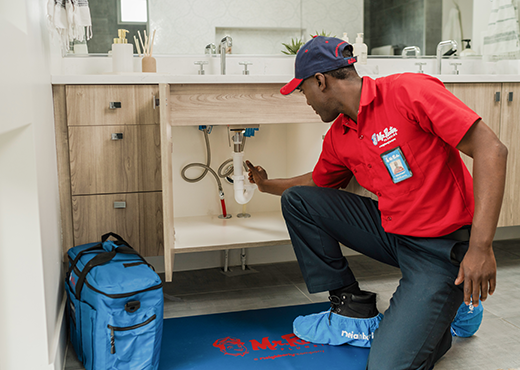
Professional installation ensures treatment equipment performs as intended. Systems are sized to your home's water usage and plumbing layout. Softener drain lines connect to the proper waste disposal points with required air gaps. Filtration systems go on the main water line before the water heater to protect the entire home. Pressure and flow testing confirm treatment equipment doesn't restrict water delivery, and commissioning includes on-site water quality verification.
After installation, treated water is tested to confirm contaminant removal meets your goals. Softeners are set to the correct salt levels and regeneration cycles. RO systems undergo membrane flushing and production testing before sign-off. We walk you through how to maintain your equipment for maximum lifespan.
Ongoing maintenance keeps your system working efficiently. Softeners need salt refills and annual resin bed cleaning. Sediment and carbon filters require replacement every 6 to 12 months, depending on water quality. Maintenance reminders and service plans are available to prevent performance from slipping over time.