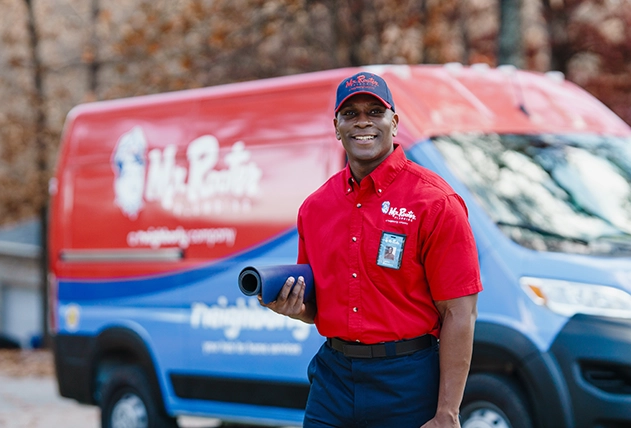
Understanding the difference between a main line clog vs a single drain clog in Coeur d'Alene can save you time, money, and serious water damage. A single drain clog happens in one pipe connected to one fixture, like a bathroom sink or kitchen drain. A main line clog happens in the large central pipe that carries all wastewater out of your home to the city sewer or septic tank. When the main line is blocked, every drain in the house is affected.
According to the EPA, there are at least 23,000 to 75,000 sanitary sewer overflows per year in the United States, and many of those start with blockages in residential sewer lines that go unnoticed for too long. The fix for each type of clog is different, and knowing which one you are dealing with helps you act fast before the problem gets worse. This guide breaks down the key differences so homeowners in Coeur d'Alene can spot the warning signs and get the right help.
How to Tell if Your Main Sewer Line Is Clogged
Knowing whether your main sewer line is clogged starts with assessing how many fixtures are affected and where the water is backing up. A single drain clog only shows symptoms at one fixture. The kitchen sink drains slowly, but the bathroom works fine. The shower backs up, but the toilet flushes normally. That pattern points to a local clog near that one fixture.
A main sewer line clog is different. Because the main line is the single pipe that connects every drain in your home to the municipal sewer, a blockage there affects your entire plumbing system at once. The first thing most homeowners notice is that more than one fixture starts acting up at the same time. The toilet bubbles when you run the bathroom sink. Water backs up into the bathtub when you flush. The washing machine drains, and the kitchen sink overflows. These cross-fixture reactions are the clearest sign that the problem is not in one branch pipe but in the main trunk line.
How to Test Your Drains for a Main Sewer Line Clog
You can do a simple test at home. Flush the toilet closest to the main sewer line, which is usually the one on the lowest floor. While it is flushing, watch the bathtub or shower drain in the same bathroom. If water bubbles up or rises in the tub, the main line is likely blocked.
You can also run the washing machine and check the floor drain in the basement or laundry room. If water comes up through the floor drain while the washer is running, that is another strong sign of a main line problem. If only one fixture is slow and nothing else is affected, you are most likely dealing with a clogged drain in that specific pipe.
Why Multiple Drains Clogged at the Same Time Means a Bigger Problem
When you have multiple drains clogged at the same time, the problem is almost always in the main sewer line, not in the individual branch pipes. Think of your plumbing system like a tree. Each sink, toilet, shower, and tub has its own smaller branch pipe. All of those branches connect to one large trunk pipe, which is the main sewer line. That main line runs underground from your home to the city sewer connection or your septic tank.
If one branch is blocked, only that one fixture backs up. But if the trunk is blocked, water from every branch has nowhere to go. It backs up to the lowest available opening in the system. That is why you might see sewage coming up through a basement floor drain or water rising in the bathtub when nobody is using it.
Multiple fixture backups happening at the same time is the number one indicator of a main line clog. Do not ignore this. A partial main line blockage can quickly turn into a complete one, and when that happens, raw sewage can flood your home.
If you notice two or more drains backing up at once, stop using all water in the house and call a licensed plumber right away. Our team at Mr. Rooter Plumbing of Coeur d'Alene can run a sewer camera inspection to locate the exact position and cause of the blockage in your main line.
Main Drain Line Clog Symptoms You Should Never Ignore
Main drain line clog symptoms differ from those of a simple single-fixture clog. With a local clog, you get a slow drain or a backup at one fixture. With a main line clog, the symptoms are system-wide and often involve strange behavior across multiple fixtures at the same time.
Here are the most common main drain line clog symptoms to watch for:
- Slow drainage in more than one fixture. If the kitchen sink, bathroom sink, and shower are all draining slowly, the blockage is likely in the main line they all share.
- Gurgling sounds from drains or toilets. When water struggles to pass a blockage in the main line, it pushes air back up through other pipes. You will hear gurgling or bubbling sounds from drains you are not even using.
- Water backing up into unexpected places. Flushing the toilet causes water to rise in the bathtub. Running the dishwasher makes the kitchen sink overflow. These cross-fixture backups only happen when the shared main line is blocked.
- Sewage smell from floor drains or basement. A blocked main line traps sewer gas in the system. That gas escapes through the lowest drain openings, usually floor drains in the basement or laundry room.
- Wet spots or standing water near the sewer cleanout. If you see water pooling around the cleanout cap in your yard or basement, sewage is backing up in the main line and overflowing at the access point.
Any of these symptoms, on its own, is worth investigating. Two or more happening at the same time almost certainly means a main line clog that needs professional drain cleaning or sewer line service.
One Drain Clogged vs Whole House Clogged
The simplest way to understand the difference between one drain clogged vs your whole house clogged is to count how many fixtures are affected. One drain clogged means the blockage is close to that fixture. It could be hair in the bathroom sink trap, grease buildup in the kitchen drain pipe, or a foreign object stuck in the toilet. These local clogs are usually within a few feet of the fixture and can often be cleared with a plunger, a hand snake, or a professional drain cleaning.
A whole house clog means the main sewer line is blocked. Every fixture in the home is affected because they all share that one exit pipe. The lowest drains in the house, like basement floor drains and first-floor bathtubs, will show symptoms first because gravity pulls the backed-up water to the lowest point in the system.
If the problem gets bad enough, raw sewage can come up through those low-point drains and cause serious health hazards and property damage.
Here is a quick way to tell which situation you have. If your kitchen sink is slow but the bathroom drains fine, it is a local clog. If you flush the toilet and water backs up into the shower or the basement floor drain, your whole house is affected, and the main line needs attention. A sewer system backup is a plumbing emergency that should be handled by a licensed professional as soon as possible.
Warning Signs of a Main Sewer Line Clog That Need Fast Action
Recognizing the warning signs of a main sewer line clog early can help you avoid a full sewage backup in your home. Some signs develop gradually over weeks, while others show up suddenly. Either way, they all point to a growing blockage in the main line that will not resolve on its own.
Gradual Warning Signs of a Main Sewer Line Clog
Drains throughout the house start to slow down over time. You might not notice it at first because it happens a little bit each week. Toilets do not flush as strongly as they used to. The bathtub takes a few extra minutes to empty. The washing machine takes longer to drain after each cycle. These gradual slowdowns often mean that tree roots, grease buildup, or sediment are narrowing the main line bit by bit.
Sudden Warning Signs That Need Emergency Help
A sudden backup in multiple fixtures at once means the main line is fully blocked. Sewage coming up through floor drains, toilets overflowing without being flushed, and water pooling around the sewer cleanout cap are all emergency situations. Stop using all water in the house, including sinks, toilets, the dishwasher, and the washing machine. Then call a plumber immediately.
According to the EPA, sewer overflows can expose people to harmful bacteria, viruses, and parasites that cause serious illness (EPA, Sanitary Sewer Overflows). Cleaning up a sewage backup in your home is expensive and dangerous, so acting fast at the first signs of a main sewer line clog is always the smart move.
What Causes Main Line Clogs in Coeur d'Alene Homes
Several factors make main line clogs a common issue for homeowners in Coeur d'Alene. Tree root intrusion is one of the biggest causes. The area's mature landscaping and older neighborhoods mean many homes have large trees with root systems that reach sewer pipes underground. Roots seek out moisture inside sewer lines, and once they find a small crack or loose joint, they grow into the pipe and create a blockage that worsens over time.
Many homes in Coeur d'Alene were built in the 1960s through 1980s with cast iron or clay sewer pipes. These materials break down over decades, especially in soil that freezes and thaws through the area's cold winters. Winter temperatures regularly drop into the 20s, and the freeze-thaw cycle shifts the ground around buried pipes, causing cracks and misalignment. Once a pipe is cracked, dirt enters the line and combines with grease, soap, and other debris to form a stubborn blockage.
Grease buildup is another major cause. Cooking fats poured down the kitchen drain cool and harden inside the main line, especially during winter when underground pipe temperatures are low. Over time, this grease narrows the pipe and traps other debris as it passes through. The EPA reports that grease, roots, and debris are among the most common causes of sanitary sewer blockages nationwide. For more information on sewer overflow prevention, visit the EPA's page on sanitary sewer overflows. You can also find additional federal resources on the EPA's SSO additional resources page.
How Our Team Diagnoses and Fixes Main Line Clogs
When you call our team at Mr. Rooter Plumbing of Coeur d'Alene for a main line clog, the first step is a thorough inspection. Our licensed plumbers use a waterproof video camera that feeds into the main sewer line through the cleanout access. This camera shows the exact location, depth, and cause of the blockage in real time. Whether it is tree roots, grease buildup, a collapsed section, or a foreign object, the camera inspection takes the guesswork out of the diagnosis.
For blockages caused by buildup, grease, or roots, our team uses HydroScrub jetting to blast high-pressure water through the main line and clear the pipe wall to wall. This method removes the entire blockage, not just a narrow channel through the middle like a cable snake often does. For damaged or collapsed pipes, we offer sewer line repair and replacement options, including trenchless methods that fix the pipe without digging up your entire yard.
A single drain clog can usually be cleared quickly with a drain snake or basic cleaning. A main line clog is more complex and almost always requires professional equipment and expertise. Do not pour chemical drain cleaners down the line. These products rarely reach the main sewer line, and they can damage your pipes and create a safety hazard for the plumber who eventually has to clear the blockage.
Do Not Wait When You See Signs of a Main Line Clog
The difference between a main line clog and a single drain clog comes down to how many fixtures are affected. A slow drain is usually a local problem you can fix yourself. Multiple drains backing up, cross-fixture water movement, and sewer smells from floor drains all point to a main line clog that needs professional attention right away.
Our team at Mr. Rooter Plumbing of Coeur d'Alene has the tools, training, and experience to find the source of the problem and fix it fast. From camera inspections to hydro jetting to full sewer line repair, we handle every step so you do not have to. If you are dealing with a stubborn clog or suspect a main line issue, reach out to our team today and let us get your plumbing back to normal.