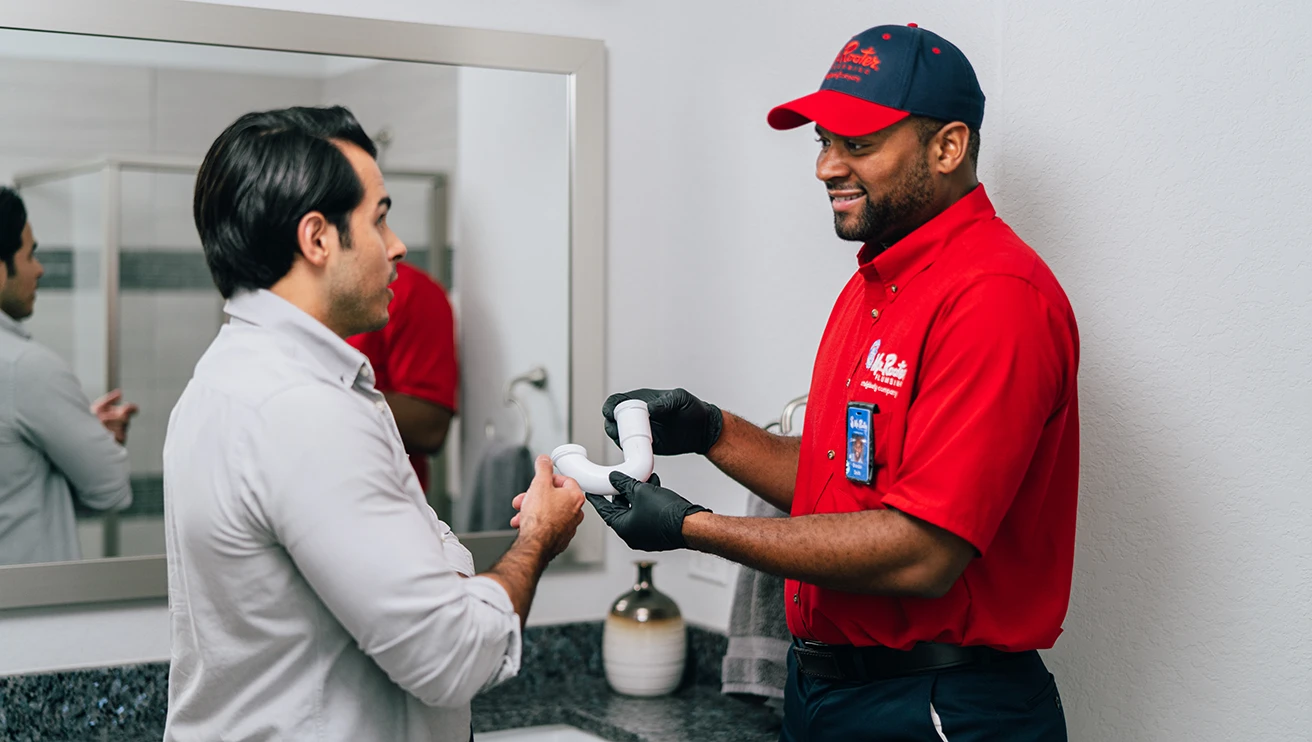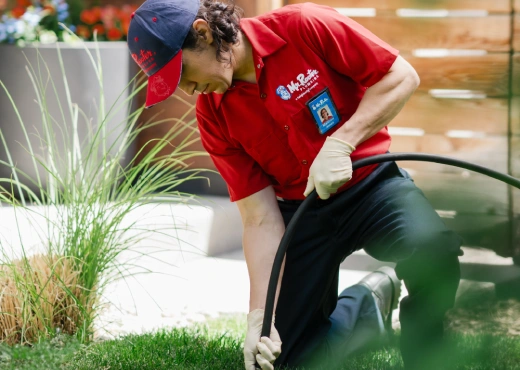
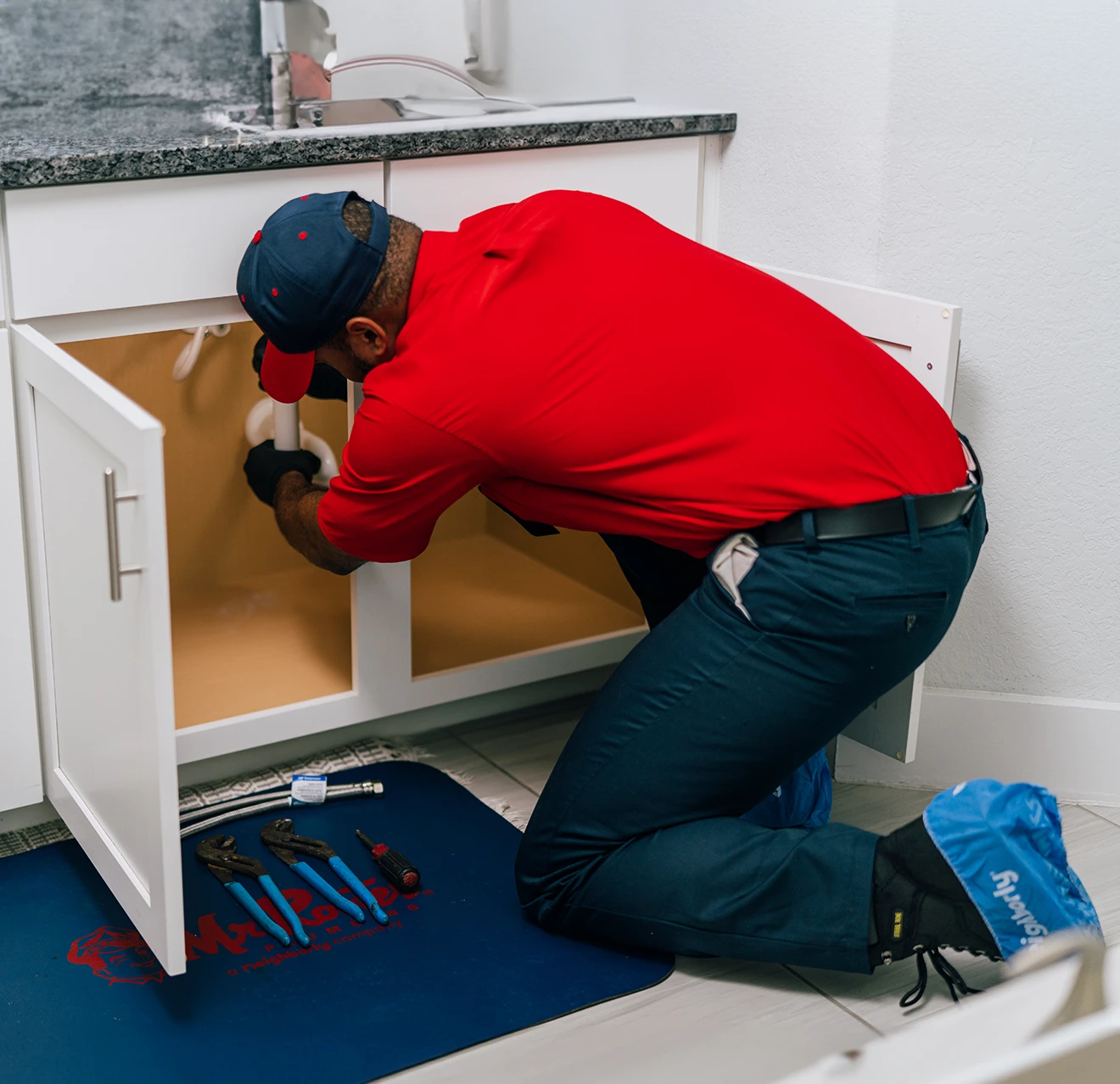
Drain repair fixes isolated problems like small cracks, root intrusions at single joints, or damaged cleanouts. Drain replacement becomes necessary when video inspection reveals extensive corrosion across multiple pipe sections, structural collapse, or pervasive root infiltration that cannot be permanently repaired.
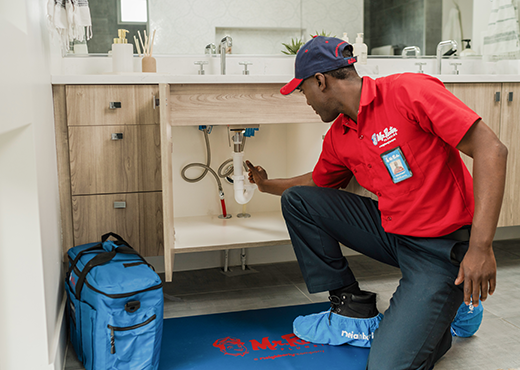
Your drain system includes everything from the small P-traps under your sinks to the main sewer lateral connecting your house to the municipal line. Different components fail for different reasons in Newark's environment.
Our Drain Repair Solutions
You need a repair when the problem stays localized. A single joint cracked by settling soil gets excavated and resealed. Root intrusion at one cleanout gets cut and treated with a growth inhibitor. A corroded section of cast iron drain stack gets cut out and replaced with PVC. These targeted fixes cost less than a full replacement and address the immediate problem while your pipes remain structurally sound elsewhere.
Hydro jetting clears decades of grease buildup, soap residue, and mineral deposits from your drain walls. High-pressure water streams scour the interior without damaging the pipe. This technique works exceptionally well in Newark homes with cast iron drains, where corrosion creates rough surfaces that trap debris. After jetting, your drains flow at full capacity again.
Spot repairs address foundation settling, common in Newark's clay soils. When one section of your drain line drops or shifts, creating a belly where water pools, you excavate that section, re-grade the trench, and reinstall the pipe at the proper slope. The rest of your system remains untouched.
Our Drain Replacement Solutions
You need a replacement when damage spreads throughout your drain line. Video inspection shows exactly where problems exist. If corrosion affects more than 40 percent of your cast iron pipe, replacement delivers better long-term value than repeated repairs. If tree roots have infiltrated multiple joints along your lateral, replacement with root-resistant materials prevents recurring blockages.
Traditional replacement involves excavation. A trench gets dug along your drain path. The damaged pipe gets removed. A new PVC or ABS drainage pipe gets installed. Trenching provides complete access for slope correction, proper gravel bedding, and solid connections. You get a drainage system built to last 50-plus years in Newark's soil conditions.
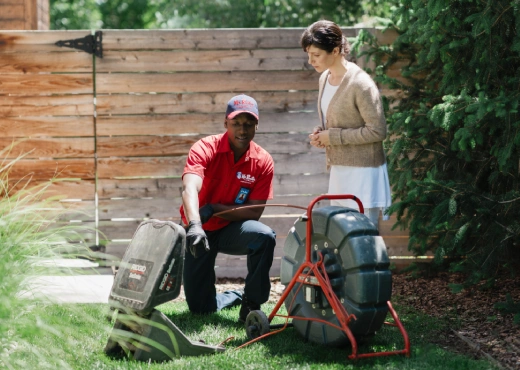
Trenchless replacement minimizes disruption. Pipe bursting breaks apart your old drain while simultaneously pulling new HDPE pipe into place. Pipe lining inserts an epoxy-coated sleeve that cures inside your existing pipe, creating a seamless interior surface. Both methods require access points at each end, but leave your landscaping, driveway, and hardscaping mostly intact. Trenchless techniques cost more per linear foot but save thousands in restoration work.