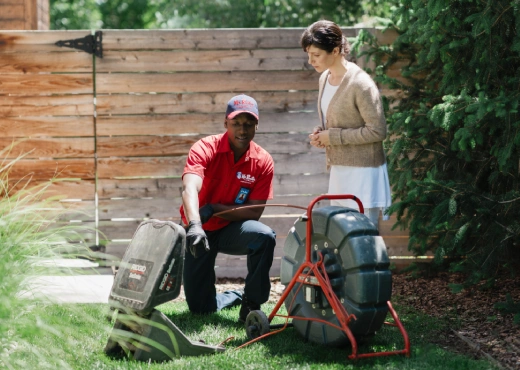
It’s important to understand the source of your water line damage. When your water line needs to be replaced, it is usually due to a particular reason. As a homeowner, knowing how your water line became damaged can help you prevent similar forms of damage in the future. Our water line installers use state-of-the-art diagnostic methods to help you understand your water line damage. Below, you can find some of the most common ways water lines become damaged.
Age-Related Damage
Like anything else, your water line will suffer from wear and tear over the course of time. If a water line is well-maintained, it may last for 50 years or more. However, there are many circumstances that can reduce the life expectancy of a water line. No matter how well you take care of your water line, it will eventually succumb to the effects of aging, eventually rusting, cracking, or becoming compromised in some other way. Age-related damage will usually require main water line replacement services from a qualified team of home service professionals.
Ground Movement
Shifting soil and movement of the earth around a pipe can cause damage to it. Pomona and Claremont are located near a fault line. Even mild tremors can shift the earth around your home enough to damage your water line. An earthquake doesn’t need to occur for you to need help replacing the water line to your house, though. Many other forms of ground movement can cause harm to your water line, such as nearby construction. If you suspect that the earth near your home has shifted or moved, you may want to consider calling Mr. Rooter Plumbing of Pomona Valley.
Tree Root Intrusion
Tree roots often grow into water lines, clogging them and even causing them to burst. When a small leak forms in a water line, it will leak water into the soil around it. Tree roots will slowly grow towards a source of water like this. Eventually, tree roots can grow into the pipe, making the crack bigger and obstructing the flow of water. If you have trees on your property, you should always be on the lookout for the signs of tree root intrusion, like reduced water pressure and a soggy lawn.