The signs of a blocked sewer vent pipe include gurgling drains, slow water flow, sewage smells inside the house, and changing toilet water levels. These symptoms often look like a regular drain clog, but the real problem is up on your roof, not down in your pipes. A sewer vent pipe lets air flow through your plumbing system so water can drain properly. When it gets blocked, the whole system struggles. Homeowners in Coeur d’Alene deal with this problem more often than you might think, especially during cold winters when ice can seal off the vent opening.
What Is a Sewer Vent Pipe and Why Does It Matter in Coeur d’Alene
Before you can spot the signs of a problem, it helps to understand what a sewer vent pipe actually does. Most homeowners never think about this part of their plumbing until something goes wrong.
Sewer Vent Pipe Purpose Explained
Your sewer vent pipe purpose explained in simple terms is this. It is a vertical pipe that runs from your home’s drain lines up through the roof. It does two jobs. First, it lets sewer gases escape safely outside instead of building up inside your home. Second, it allows fresh air into the drain system, allowing water to flow freely through the pipes.
Think of it like a straw in a drink. If you put your finger over the top of a straw, the liquid stays trapped inside. Your plumbing works the same way. Without air flowing in from the vent, water cannot drain properly. It gets stuck, moves slowly, or creates suction that pulls water out of the P-traps under your sinks and toilets.
How the Vent Connects to Your Drain System
The vent pipe connects to your main drain line and runs vertically up through your attic and out the roof. In most homes, it is a 3 or 4 inch PVC or cast iron pipe. You can usually see the top of it sticking up above your roofline. Every fixture in your home, from toilets to sinks to showers, relies on this vent to work correctly. If the vent gets blocked, every drain in the house can be affected. This is what makes vent problems different from a simple clogged drain in one fixture.
Signs of a Blocked Sewer Vent Pipe
The clogged plumbing vent symptoms below are the most common warning signs homeowners notice. If you see two or more of these happening at the same time, a vent blockage is very likely the cause.
-
Gurgling Sounds from Drains and Toilets
A gurgling or "glug-glug" sound from your drains is one of the earliest plumbing vent pipe blockage signs. This noise happens when air cannot flow through the vent as it should. Instead, air gets forced through the water sitting in your drain traps. You might hear it when you flush a toilet, or when the bathtub drain gurgles. Or you might hear it when you run the kitchen sink, and a nearby bathroom drain makes noise. The gurgling means those fixtures share a vent, and that vent is not letting air through.
-
Slow Drains Throughout the Home
A single slow drain usually indicates a clog in that one pipe. But when multiple drains throughout your house are all slow at the same time, the problem is likely in the vent system. Without proper airflow, water cannot move through the pipes at a normal speed. You might notice that your kitchen sink, bathroom sink, and shower are all draining slowly, even though none of them has a visible blockage.
According to the International Association of Certified Home Inspectors, a blocked plumbing vent is one of the most commonly overlooked causes of slow drainage in residential homes. Many homeowners spend money on repeated drain cleanings without realizing the vent is the real problem.
-
Sewage Smells Inside the House
Foul sewage odors inside your home are a serious sign that your vent pipe may be blocked. The vent is supposed to carry sewer gases, including hydrogen sulfide and methane, up and out through the roof. When the vent is blocked, those gases have nowhere to go. They can back up through your drain openings and fill your home with a rotten egg smell. The Wisconsin Department of Health Services warns that hydrogen sulfide exposure can cause eye irritation, headaches, nausea, and dizziness even at low levels. If you smell sewage inside your home, do not ignore it.
-
Toilet Water Level Changes
If your toilet water level keeps rising and falling on its own, a blocked vent might be the reason. The vent helps keep air pressure balanced in your plumbing system. When it is blocked, negative pressure can pull water out of your toilet bowl or cause it to rise unexpectedly. You may also notice that your toilet does not refill properly after flushing. This is because the air that should be entering through the vent is not getting in, so the water flow is disrupted. A plumbing video camera inspection can help rule out other problems and confirm whether the vent is the issue.
What Happens When a Plumbing Vent Is Blocked in Coeur d’Alene
What happens when plumbing vent is blocked in Coeur d’Alene goes beyond just slow drains and bad smells. If you leave the problem alone, it can cause real damage to your plumbing system and put your family’s health at risk.
Dry P-Traps and Sewer Gas Exposure
Every drain in your home has a curved pipe underneath it called a P-trap. This trap holds a small amount of water, creating a seal between your living space and the sewer system. When the vent is blocked, the negative pressure inside the pipes can suck the water right out of those traps. Once the water seal is gone, sewer gases flow freely into your home. You might notice the smell getting worse in rooms that are used less often, like a guest bathroom or basement laundry room, because those P-traps dry out the fastest.
The Occupational Safety and Health Administration reports that hydrogen sulfide is one of the leading causes of workplace gas inhalation deaths in the United States. While residential levels are usually much lower than industrial settings, long-term exposure to even small amounts can cause ongoing headaches, fatigue, and respiratory irritation. Methane, another component of sewer gas, is also highly flammable.
Water Backups and Pipe Damage
A blocked vent can also lead to water backups in your sinks, tubs, and toilets. When water cannot drain properly, it can sit in the pipes and overflow back into your home. Over time, this standing water can corrode the inside of your pipes, leading to leaks. If backups happen regularly, you may need professional sewer line repair or replacement to fix the damage that has built up over months or years of poor drainage.
Common Causes of Plumbing Vent Pipe Blockages
Several things can block a plumbing vent pipe. Since the opening sits on your roof and is exposed to the outdoors, it is an easy target for debris and weather-related problems.
Debris, Nests, and Leaves
The most common causes of vent blockages include:
- Leaves, twigs, and pine needles that fall onto the roof and wash into the vent opening
- Bird nests or small animal nests built inside the top of the pipe
- Dirt and dust buildup that collects over years of exposure to the elements
- Ice and frost that form inside the pipe during freezing temperatures
In many cases, homeowners do not realize their vent is blocked because the opening is out of sight on the roof. The blockage builds up slowly over time until the symptoms become too obvious to ignore.
Why Coeur d’Alene Winters Make Vent Blockages Worse
Coeur d’Alene’s cold winters create a perfect setup for vent pipe blockages. When temperatures drop below freezing, the warm, moist air rising through the vent pipe meets the cold air at the top. This causes frost and ice to form inside the pipe opening. If enough ice builds up, it can completely seal off the vent. The North Dakota State University Extension Service notes that frozen vent stacks are more common in newer homes because PVC and ABS piping do not conduct heat as well as old cast iron pipes. Many homes in Coeur d’Alene have PVC vent pipes, which makes them more likely to freeze shut during long cold spells.
Heavy Snow on the Roof
Heavy snowfall can also bury the vent pipe opening entirely. If snow piles up on your roof and covers the top of the vent, gases cannot escape, and air cannot enter. This is especially common after major snowstorms or during long stretches of below-freezing weather. If your drains start acting up right after a big storm, a snow-covered vent pipe is one of the first things to check. Flat or low-slope roof sections are especially prone to this because snow does not slide off as easily.
How to Tell If Your Vent Stack Is Clogged vs a Drain Clog
How to tell if vent stack is clogged versus having a regular drain clog is a common question. Both problems cause slow drains and backups, but they have different patterns. Paying attention to which fixtures are affected and what other symptoms are present can help you identify the true cause. Here is how to tell them apart:
- A drain clog usually affects one fixture. A vent blockage affects multiple fixtures at the same time.
- A drain clog does not cause sewage smells. A vent blockage often does, because sewer gas is backing up into the home.
- A drain clog can sometimes be fixed with a plunger. A vent blockage will not respond to plunging because the problem is in the air supply, not the drain itself.
- A drain clog does not cause gurgling in other fixtures. A vent blockage often causes gurgling in nearby drains when you use a different fixture.
If you have tried clearing a clog with a plunger or drain snake and the problem keeps coming back, or if you notice issues in multiple rooms at once, it is time to look at the vent system. A professional plumber can use a camera to inspect both the drain lines and the vent pipe to find the exact source of the trouble. For commercial buildings dealing with similar problems, commercial sewer backup services can help diagnose and fix vent-related issues quickly.
When to Call a Professional Plumber in Coeur d’Alene
Some minor vent issues can be checked from the roof if you are comfortable getting up there safely. You can look down the vent pipe with a flashlight to see if there is a visible blockage, such as a nest or a pile of leaves. You can also try running a garden hose down the pipe to flush out loose debris. But always put safety first. Roofs in Coeur d’Alene can be icy and slippery for much of the year, and a fall is not worth the risk.
Signs You Need Professional Help
However, many vent blockages are deeper inside the pipe, where you cannot see or reach them. You should call a professional plumber if:
- Flushing the vent with a hose does not fix the problem
- You smell sewer gas inside your home even after checking all your P-traps
- Multiple drains keep backing up after repeated attempts to clear them
- Your vent pipe is made of older cast iron that may have internal corrosion
- You are not comfortable or it is not safe to climb on your roof
A licensed plumber has the tools to inspect the vent with a camera, clear stubborn blockages, and check for any related damage to your drain or sewer lines. If the vent problem has caused pipe damage over time, trenchless sewer line repair can fix the pipes without digging up your yard.
Keep Your Plumbing Vent Clear and Your Home Safe
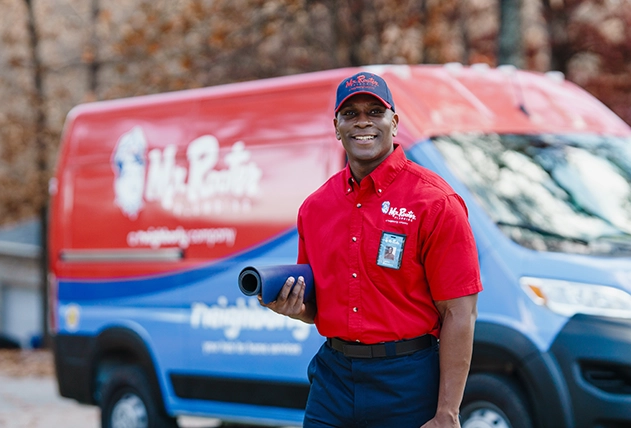
The signs of a blocked sewer vent pipe are easy to miss at first, but they get worse fast if you ignore them. Gurgling drains, slow water flow, sewage smells, and changing toilet water levels all point to a vent that needs attention. Catching the problem early saves you from expensive repairs and keeps sewer gases out of your home. Our licensed plumbers at Mr. Rooter Plumbing of Coeur d’Alene can inspect your vent pipe, clear the blockage, and make sure your entire plumbing system is working the way it should.