Many Springfield homes built before 1970 used galvanized steel for water lines. Inside these pipes, a protective zinc coating gradually wears away. That exposes the steel underneath to oxygen in the water. Iron oxide (rust) forms. Rust narrows the pipe opening and flakes into your water. You notice it as low pressure at fixtures farthest from the main line. You see reddish-brown water first thing in the morning. The process speeds up if your home has copper and galvanized pipes joined together. The dissimilar metals create a galvanic reaction. Corrosion accelerates at the connection point.
Cast-iron sewer lines are common in Springfield homes from the same era. They corrode from the inside out. Hydrogen sulfide gas forms when waste breaks down. Over the decades, the pipe wall thins. The pipe collapses inward. A belly or sag forms where waste collects. Tree roots sense the moisture and force their way in through weakened sections. A sewer camera inspection is the only way to see whether you're dealing with root intrusion, a bellied section, or actual pipe failure. The symptoms (slow drains, gurgling, backups) look identical from the outside.
Understanding the Water Quality in Springfield
The Springfield Water and Sewer Commission provides safe drinking water. The treatment process uses chlorine. That creates disinfection byproducts like bromodichloromethane. Your water meets federal safety standards. These byproducts are present at levels some residents want to reduce further. Families with young children or compromised immune systems often choose additional filtration.
The city has worked to eliminate lead service lines. Older homes still have plumbing materials that leach contaminants. We recommend running your tap for a short time before using water for drinking or cooking. This applies especially after periods of disuse. Always use cold water for consumption.
To reduce exposure, install a certified carbon block filter at your kitchen sink. A whole-home filtration system removes most THMs and chlorine taste. When we service or install a water heater, we test your water hardness on-site. We recommend whether a water softener would extend the life of your appliances and reduce scale buildup in fixtures. Better water quality protects your plumbing installations and reduces maintenance costs over time.
How Weather and Climate Can Affect Your Plumbing System
Springfield winters bring freezing temperatures. Frozen pipes are a leading cause of water damage in Massachusetts homes. Proper insulation and adequate heat are critical. We regularly respond to emergency plumbing calls for frozen and burst pipes throughout the winter months.
Climate change means more intense rainstorms, placing extra strain on the city's combined sewer systems and causing overflows and backups to become more likely. For your home, this means keeping sewer lines clear. Protect your foundation against increased water volume.
We've responded to dozens of backup calls during heavy rain events. The city's combined system gets overwhelmed. The first thing we do is camera the line. We determine whether the backup is from your property or the municipal side. If it's a root intrusion or a collapsed section on your line, we clear it. That prevents the next rain from causing the same problem. If it's municipal overflow, we document it. We guide you through the reporting process.
Residential Plumbing Services and Commercial Plumbing for Springfield Property Owners
We serve both residential and commercial clients in Springfield. Our residential plumbing services include everything from fixing a leaky faucet to complete sewer line replacement. We handle tankless water heater installations, sump pump repairs, and whole-home repiping projects. For commercial properties, we provide routine plumbing maintenance services, emergency repairs, grease-trap service, and backflow-prevention testing for restaurants, office buildings, and multi-unit properties.
Every job gets the same quality workmanship. Licensed plumbers arrive on time. We protect your property. We clean up after every service call. Customer satisfaction drives everything we do.
Plumbing Patterns We See in Springfield Neighborhoods
In Older Neighborhoods (Forest Park, McKnight, Old Hill, Hungry Hill)
Homes built between 1900 and 1950 have a mix of cast iron drains, galvanized water lines, and later-added copper sections. The transition points between galvanized and copper are where we find pinhole leaks and corrosion. Many of these homes have shared or close-proximity sewer laterals. They were installed before modern setback rules were in place. Root intrusion from street trees is extremely common. We also see original drum traps under old cast-iron tubs. These were coded decades ago. They're notorious for trapping debris and causing slow drains. Our plumbers in Springfield handle these older systems regularly.
In Mid-Century Homes (Sixteen Acres, East Forest Park, Pine Point)
Homes from the 1950s through 1970s have copper water lines (good news). They have polybutylene drain lines or early PVC that's become brittle (bad news). We see slab-on-grade foundations where the main drain runs under the slab. Plumbing repairs are more invasive. These homes often have original water heaters that are 15 to 20 years past their expected lifespan. The good news: access is straightforward. Upgrades are cleaner than in older homes with tight basements.
In Newer Construction and Renovated Properties
Even in recently updated homes, we encounter issues with improper venting. Drains get added without extending the vent stack. We find incorrect trap configurations. Water heaters get installed without expansion tanks or proper T&P valve drainage. Massachusetts code requires these components. We've seen shortcuts during DIY projects or unlicensed work. If you've had recent work done and you're noticing problems, have a licensed plumber verify the installation.
What to Check First Before You Call
For Low Water Pressure
Check whether it's one fixture or all of them. If it's one sink, unscrew the aerator (the screen at the faucet tip). Look for sediment or debris. If the whole house is affected, check your main shutoff valve. Sometimes it gets partially closed during maintenance. Nobody realizes it. Look at your pressure gauge if you have one. It should read 40-70 PSI. If you have a pressure-reducing valve (usually near the water meter), it needs to be adjusted or replaced. Note what you find. Tell us when you call.
For Clogged Drains
We recommend that you stop using the fixture immediately. Note whether other drains are slow or gurgling. That tells us whether the clog is local (one branch line) or in the main drain. Check whether water backing up into one fixture causes the other fixture to drain suddenly. That's a vent issue or main line blockage. Don't use chemical drain cleaners if you've already tried them once. They create a caustic hazard for us. They rarely solve the root cause. Professional drain cleaning services remove blockages completely and safely.
For a Toilet That Keeps Running
Lift the tank lid. Watch what happens. If the flapper at the bottom isn't sealing, you'll see or hear water trickling from the tank into the bowl. If the fill valve keeps running, check whether the float is stuck. Check whether the water level is set too high. You stop it temporarily by turning off the shutoff valve under the toilet. These details help us diagnose the issue remotely if it's a simple fix. We bring the right replacement parts if it's not.
For Water Heater Issues
If you have no hot water supply, check whether the pilot light is lit (for gas water heaters) or whether a circuit breaker has tripped (for electric models). Look for water pooling around the base of the tank. Listen for unusual sounds, such as popping or rumbling (indicating sediment buildup). If your water heater is over 10 years old, these are signs you need water heater repair or water heater replacement. Our plumbers assess whether repair or replacement makes the most sense for your situation.
Expert Solutions for Your Springfield Plumbing Needs
You don't have to navigate these issues alone. At Mr. Rooter Plumbing of Hampden & Hampshire Counties, we understand the plumbing landscape of Springfield. Our licensed plumbers bring years of local experience to every job. We offer solutions tailored to your home's needs.
What We Do for You
- Plumbing Repairs and Emergency Services: We handle everything from leak detection and pipe repairs to emergency plumbing issues, including burst pipes and sewer backups. Emergency repairs get priority scheduling. We arrive fast when you need us most.
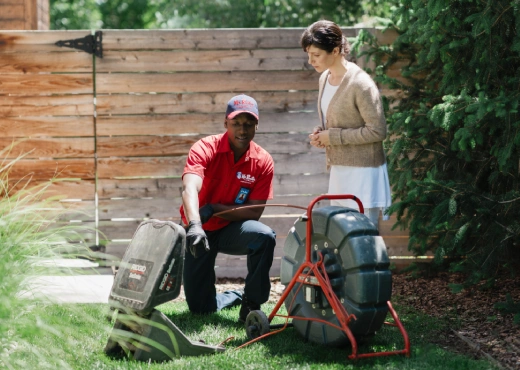
- Drain Cleaning Services and Sewer Line Work: We use camera-guided cable augers to cut through clogs and root masses. We follow up with hydro jetting when appropriate. High-pressure water scouring removes grease, scale, and debris from the inside of pipes. For damaged sewer lines, we assess whether you need a spot repair using epoxy lining or pipe bursting, or a full replacement. The decision depends on the extent of damage, pipe material, and how much usable life the rest of the line has left.
- Water Heater Services: We install, repair, and replace traditional tank water heaters and tankless water heater systems. We service all major brands. We help you choose between standard and tankless models based on your household's hot water needs and energy goals. Every water heater installation includes proper venting, an expansion tank, and a T&P valve.
- Water Quality Solutions: We diagnose and fix the causes of low water pressure. We advise on solutions to improve water quality. That includes recommending certified water filters and water softener installations. Better water quality extends the life of your fixtures and appliances.
- Winter Pipe Protection and Frozen Pipe Services: We offer advice and services to help prevent frozen pipes. That includes insulation and system checks. If you're already dealing with frozen pipes, we thaw them safely without damaging your plumbing system.
- Plumbing Installations and Fixture Upgrades: We handle everything from leaky faucet repairs to complete bathroom and kitchen plumbing installations. We ensure your fixtures operate efficiently and reliably. We install sump pumps, water softeners, garbage disposals, and other plumbing fixtures.
- Plumbing Maintenance Programs: Preventive maintenance keeps your plumbing system running smoothly. We offer scheduled maintenance services for both residential and commercial clients. Regular inspections catch small problems before they become expensive emergencies.
Your Springfield Plumbing Calendar: What to Watch for Each Season
Fall (September to November): Pre-Winter Prep
Before the first hard freeze, inspect exposed pipes in unheated spaces. Check basement rim joists, crawl spaces, and exterior hose bibs. Add foam pipe insulation where needed. Disconnect and drain garden hoses. Shut off interior valves to exterior faucets. Open the outside valve to drain the line. If you have an irrigation system, schedule a blowout. Check your sump pump by pouring a bucket of water into the pit. It should activate quickly and discharge outside. This is also the time to have your water heater flushed if it hasn't been in the past year. Sediment buildup reduces efficiency right when you need hot water most. Schedule plumbing maintenance before the winter rush.
Winter (December to March): Freeze Prevention and Monitoring
Keep your thermostat at a consistent temperature, even when you're away. Setting it below 55°F to save money costs you thousands in burst pipe repairs. Open cabinet doors under sinks on exterior walls. This lets warm air circulate around the pipes. If temperatures drop below 20 degrees F for more than a few hours, let faucets drip slightly. The movement prevents freezing. Know where your main shutoff is. Make sure everyone in the household knows how to operate it. If a pipe freezes, shut off the water immediately. Call a plumber for emergency services. Never use a torch or open flame to thaw frozen pipes. We provide emergency repairs 24 hours a day during the winter months.
Spring (April to June): Drainage and Runoff Issues
Heavy spring rains put stress on sewer systems. This applies especially in areas with combined sewers. If you've had slow drains all winter, spring is when backups are most likely to occur. Check basement floor drains for standing water or sewage odors. Test your sump pump again. This is the peak season for groundwater intrusion. Inspect grading around your foundation. Soil settles over winter. You want water flowing away from the house, not toward it. If you're planning landscaping that involves digging, call 811 to mark underground utilities before you start. Spring is a good time for drain cleaning services to prevent summer problems.
Summer (July to August): High-Use Season Stress
Summer means more showers, more laundry, and more dishwasher cycles. That puts strain on your water heater and drains. If your water heater is over 10 years old and you're noticing longer recovery times (running out of hot water faster), it's likely full of sediment. The elements are failing. This is also when we see a spike in garbage disposal clogs. Cookouts and fresh produce prep are the culprits. Fibrous vegetables and grease are the main problems. If you're hosting family or running ACs that produce condensate, make sure the drain lines are clear. Consider upgrading to a tankless water heater if your current system cannot keep up with demand.
How to Know If Your Plumbing Issue Is Urgent
Call Now for Emergency Plumbing Services (Within the Hour)
- Water is actively leaking, and you cannot stop it at the shutoff
- Sewage is backing up into your home
- No hot water, and the water heater is leaking or smells like gas
- Frozen pipe that's started to leak or burst
- Gas smell near plumbing appliances or gas lines
Our emergency plumbing services are available 24/7 when you call. We respond fast to protect your home from water damage.
Call Today (Same Day or Next Morning)
- Multiple drains are backing up at once
- The water heater is making loud banging or popping sounds
- Visible water damage or staining that's getting worse
- Toilet overflowing repeatedly despite plunging
- Complete loss of water pressure in the whole house
- Leak detection is needed for hidden water issues
Schedule this Week for Maintenance Services
- One slow drain that won't clear with normal methods
- Persistent drip from a leaky faucet or showerhead
- Water heater is over 10 years old, showing signs of age
- Planning a bathroom or kitchen renovation
- Pre-winter system inspection
- Routine plumbing maintenance
When to Call Springfield vs. When to Call a Plumber
If you and your neighbors have the same issue at the same time, start by checking the City of Springfield and the Springfield Water and Sewer Commission. Look for alerts and reporting options. Examples include no water on the whole street, discolored water after a nearby water main break, or a widespread drop in pressure. If the problem is only happening in your home, call a licensed plumber who can diagnose your plumbing system on-site. Examples include a toilet overflowing, a leaking water heater, or multiple drains backing up inside the house. When you call, note what fixtures are affected and when they started. That detail helps us narrow down whether you're dealing with a local clog, a failed valve, or a main line issue.
Your Trusted Local Plumbing Company in Hampden & Hampshire Counties
We believe in providing clear explanations and dependable service. Our goal is to give you peace of mind. Your home's plumbing is in capable hands. We adhere to all Massachusetts Uniform State Plumbing Codes. Every job is done right. We are locally owned and operated. We've been serving Springfield families since 1970 as part of the Mr. Rooter Plumbing network.
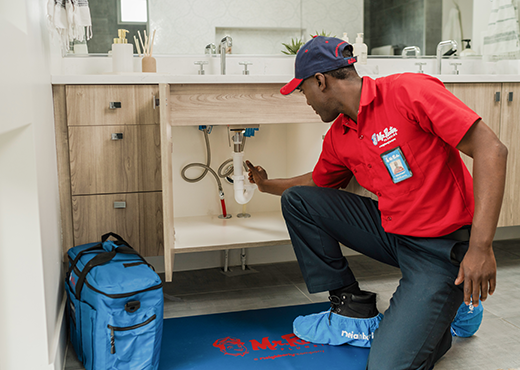
Our plumbing company stands behind quality workmanship. Licensed plumbers handle every service call. We respect your property. We arrive in uniform. We wear shoe covers. We protect your floors. We clean up after every job. Customer service drives our business.
Don't wait for a small issue to become a major problem. Contact Mr. Rooter Plumbing of Hampden & Hampshire Counties today. We're here to help you maintain a safe, efficient, and comfortable home in Springfield. Request an estimate online or call us now to schedule service with the best plumber Springfield has to offer.