Your plumbing system is more complex than most people realize. It's not just the pipes you can see. It's supply lines running through your walls, drain lines under your foundation, a water heater that might be in your attic or garage, fixtures throughout your home, and a main sewer line connecting everything to the street. When one part fails, it can affect the entire system.
Think about your plumbing in three main parts: supply lines that bring clean water in, fixtures where you use that water, and drain and sewer lines that take wastewater away. Problems in one area often show up as symptoms in another. A toilet that won't stop running could be a $12 flapper, or it could be a water pressure issue caused by a failing pressure-reducing valve affecting every fixture in the house. We start with diagnosis, not assumptions.
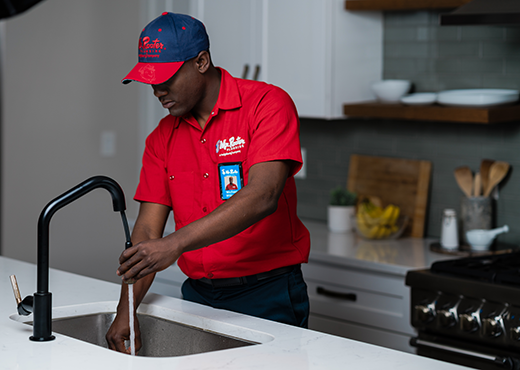
We offer expert plumbing solutions that cover every part of your system. Whether you need an emergency repair at 2 AM or you're planning a bathroom renovation, our Hendersonville, TN plumbing team has the skills and equipment to handle it. We're available 24/7 for plumbing emergencies because burst pipes and sewer backups don't wait for business hours. Our services include:
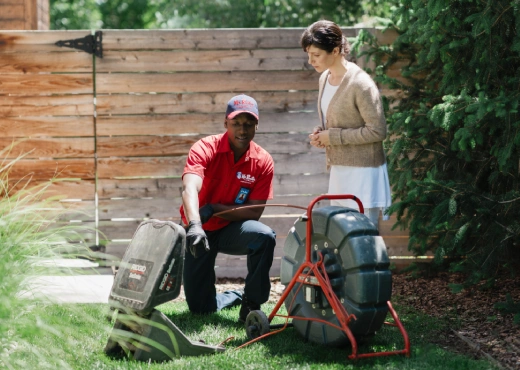
These services aren't isolated fixes. They're connected. If we're replacing a water heater, we'll check the pressure-relief valve, the shutoff valve, and the condition of your water line while we're there. If we're clearing a main sewer line, we'll inspect for damage while the camera is down there. Catching a secondary issue early, before it fails completely, is always cheaper than waiting for the emergency call.
Not sure what you need? Give us a call and describe what's happening. We'll help you understand what's going on and what it takes to fix it.
Seasonal Plumbing Maintenance Checklist for Hendersonville Homes
Your plumbing needs change with the seasons. Based on decades of service calls in Middle Tennessee, we recommend the following.
Before winter arrives in November, disconnect and drain garden hoses. Shut off and drain exterior hose bibs if they're not frost-proof. Check your water heater's pressure relief valve and check for sediment buildup. If you hear popping or rumbling, it's time for a flush. Inspect any plumbing in crawl spaces, attics, or exterior walls, and add insulation or heat tape if pipes are exposed. Know where your main shutoff valve is and make sure it turns freely. Fall is also the best time for an annual plumbing inspection for leaks and other issues following summer's peak usage period. Catching a small issue in October means you're not dealing with an emergency in the middle of winter.
In spring, after the last freeze in March or April, slowly turn your exterior water back on and check for leaks. This is also the best time for sewer line inspections if you have mature trees, because roots grow aggressively in spring. Check your sump pump if you have one. Pour water in the pit and confirm it kicks on and drains completely.
Summer is a high usage season, which means more stress on your water heater and drains. If you're hosting more guests or running the dishwasher and washing machine more frequently, keep an eye out for slow drains or lukewarm water that could indicate your system is struggling. Summer is also when we see condensation issues on cold water pipes in humid basements and crawl spaces. If you see drips, insulate those pipes to prevent mistaking condensation for a leak.
Residential Plumbing Services in Hendersonville
In Middle Tennessee, your home's plumbing faces some unique challenges. Winter freezes can burst exposed pipes. Summer humidity can cause condensation that looks like leaks but isn't. And the clay soil common in Sumner County shifts with wet and dry seasons, putting stress on your underground sewer lines and water lines.
The most vulnerable pipes are in crawl spaces under older homes that lack proper insulation or vapor barriers, in non-winterized outdoor hose bibs, and in exterior walls, particularly those on the north side of the house. When Hendersonville gets a hard freeze, and in Middle Tennessee, that means anything below 20 degrees for more than a few hours, these pipes can freeze solid, crack, and, when they thaw, burst. If you turn on a faucet during a cold snap and nothing comes out, don't keep trying it or apply direct heat, like a torch. Call us before the thaw starts.
The clay soil also affects homes with slab foundations. If you have a home built on a slab and you notice warm spots on the floor, hear water running when nothing's on, or see a sudden spike in your water bill, that's often a slab leak. A hot water line has corroded through under the concrete. We use thermal imaging and electronic listening equipment to pinpoint the leak without tearing up your whole floor. The earlier we catch it, the less invasive the repair.
We understand these local conditions because we work in them every day. We know which pipes in your home are most vulnerable to freezing, how to spot the early signs of foundation movement affecting your plumbing, and what that sewage smell in your yard really means. Our residential plumbing services cover everything from fixing a leaky faucet that's wasting water to replacing a 40-year-old cast-iron sewer line that's finally given up.
Common residential services include toilet repairs and replacements, garbage disposal installation, bathroom and kitchen remodels, whole-house repiping for older homes, gas line repair for appliances, and water heater upgrades. We also offer preventive maintenance services, like annual inspections and hydro-jetting, to keep your drains flowing freely and catch small problems before they become big ones.
Commercial Plumbing Services in Hendersonville
Commercial plumbing systems are a different beast. The systems are larger, more complex, and used more heavily. A restaurant kitchen might run water through its drains for 12 hours straight. An office building might have 50 toilets that all need to work when people arrive on Monday morning. And when commercial plumbing fails, it doesn't just inconvenience one family. It can shut down your business operations.
Restaurants are the hardest on plumbing. Dish machines dump 180-degree water loaded with food particles. Floor drains catch grease that liquefies when it's hot and solidifies in the main line. Three-compartment sinks run constantly. Most restaurant backups we respond to happen during or right after the dinner rush, because that's when the grease buildup finally chokes off the line completely. We recommend scheduled grease trap service and quarterly main line jetting for any food service business. It costs a fraction of what you'd lose if you had to close the kitchen for an emergency cleanout on a Friday night.
Office buildings have a different problem: sporadic use. A building that sits mostly empty on weekends can develop dry traps. When the water in a floor drain or sink trap evaporates, sewer gas comes back up through the drain. If your building smells like sewage on Monday mornings, that's usually the cause. The fix is simple: pour water in every drain, or install trap primers that automatically keep them filled. We see this most often in buildings with unused break rooms or in older buildings with floor drains in mechanical rooms that no one thinks about.
Our commercial plumbing team works with local businesses throughout Hendersonville to keep their systems running reliably. You can't afford unexpected downtime, which is why we offer preventive maintenance programs designed for commercial properties. Regular inspections, scheduled drain cleaning, and proactive repairs help prevent small issues from becoming emergency service calls.
We serve restaurants, retail stores, office buildings, medical facilities, and industrial properties throughout Hendersonville and Sumner County. Our commercial services include backflow prevention testing and certification, grease trap cleaning and maintenance, commercial water heater service, gas line installation and repair, and after-hours emergency repairs that won't disrupt your business operations.
Ready to set up a maintenance plan or need emergency commercial plumbing service? Request an estimate online or call us directly.
What Most Homeowners Get Wrong About Plumbing
You're not a plumber, and you shouldn't have to be. But some of the most common pieces of advice homeowners follow actually make problems worse. We see this all the time, and you should know what actually works.
Chemical drain cleaners seem like a safe first step, but they're harsh enough to damage certain types of pipes, especially older metal drains or PVC that's already weakened. Worse, if the cleaner doesn't clear the clog, you've now got a pipe full of caustic chemicals we have to work around, which slows the repair and makes it more hazardous. If a plunger doesn't work in two or three tries, call a plumber instead of reaching for a bottle.
A slow water heater leak looks like it can wait. Homeowners see a small puddle under the tank and figure they'll deal with it next month. But if the tank itself is leaking, not just a loose connection, that small drip will become a flood, usually at the worst possible time. Water heater failures are one of the top causes of homeowner's insurance claims, and most insurers expect you to address known leaks promptly. If you see water under your heater, get it diagnosed that week, not next month.
Wipes labeled flushable don't break down like toilet paper. They make it past your toilet, travel through your drain line, and then snag on any rough spot, root intrusion, or pipe joint. There, more debris can build up until the line is blocked. We've pulled out masses the size of footballs from main sewer lines, and it's almost always wipes. If you use them, just throw them in the trash, don't flush them down your toilet.
A sewer line repair can be done by digging up your entire yard and replacing the pipe, or by using trenchless methods that are less invasive but require specialized equipment and more skill. The right method depends on your specific situation, taking into account factors like pipe material, depth, access, and soil type. A skilled plumber will explain your options rather than default to the easiest approach.
How We Diagnose Your Plumbing Problem
The difference between an experienced plumber and someone just replacing parts comes down to diagnosis. When you call us with a problem, we follow a process. First, we listen and ask questions about your problem. When did it start? Is it constant or intermittent? Does it happen when you use a specific fixture, or are multiple fixtures impacted? Have you noticed any other symptoms, even if they seem unrelated? These answers help us narrow down the possible causes before we touch a single tool.
Then, we inspect your system carefully. For a drain problem, we don't just look at the fixture that's clogging. We look at how other fixtures drain, test for potential venting issues, and look for patterns that suggest whether the blockage is local or in the main line. For leaks, we use moisture meters and leak-detection equipment to trace them to the source, and thermal imaging to see what's happening behind walls without cutting them open. For water pressure issues, we test pressure at multiple points and inspect the pressure-reducing valve and supply lines for hidden leaks that could be reducing pressure.
Before recommending a repair, we show you what's happening, whether that's playing back video from a sewer camera and showing you the failed component or explaining how one issue is causing the symptom you noticed. You'll understand the problem, why it happened, what will happen if it's not fixed, and your options. Then we give you upfront, flat-rate pricing for the recommended solution, and you decide whether to move forward.
We fix it correctly, not quickly. Some repairs take longer because they're done right: securing pipes properly, testing the repair under pressure, cleaning up, and confirming everything works before we leave. You're not paying for speed. You're paying for a repair that lasts.
What Sets Our Hendersonville Plumbing Company Apart
You've got options when you need a plumber in Hendersonville. Choose us because we've built our reputation on doing things the right way, every single time. That starts with hiring the right people, experienced, licensed plumbers who take pride in their work, and it continues with how we treat you and your property.
When you call Mr. Rooter Plumbing of Hendersonville, you're getting more than just a plumber. You're getting a locally owned and operated company that's been part of the Neighborly family since 1970. We're your neighbors, and we're invested in this community. We show up when we say we will, we do what we promise, and we charge you exactly what we quoted. No surprises, no hidden fees.
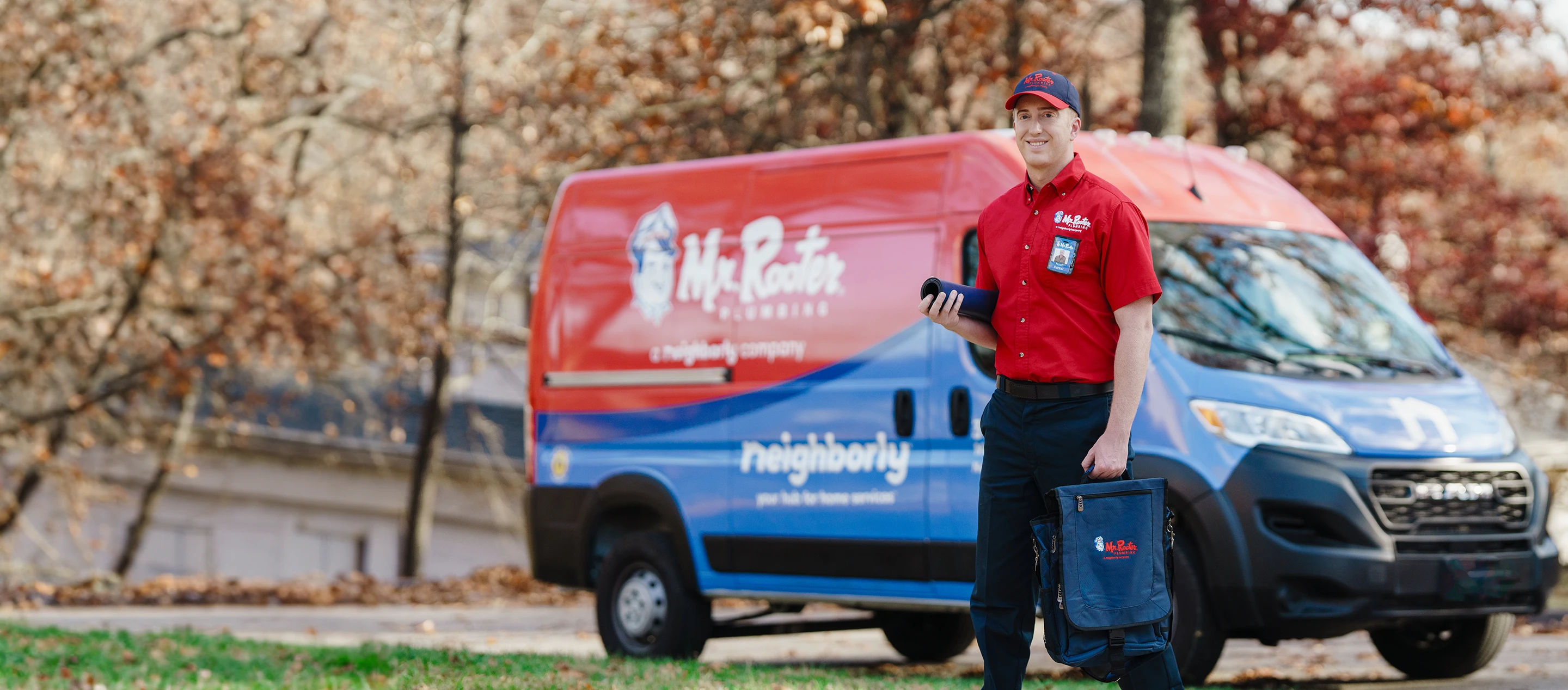
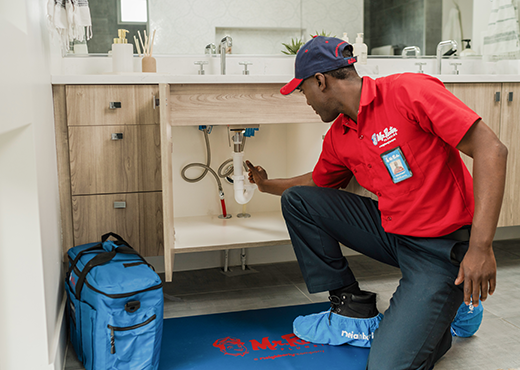
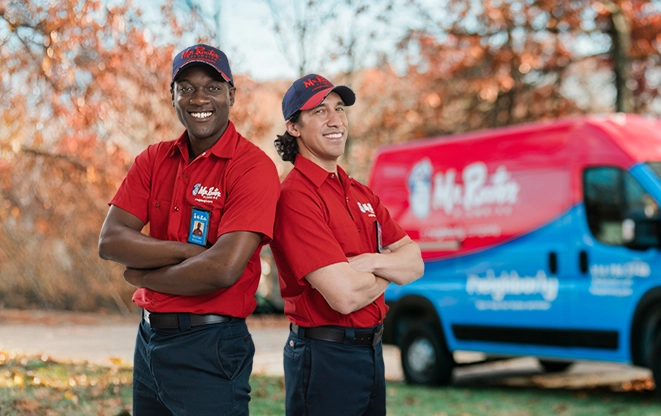
Our plumbers arrive in clearly marked vehicles, wearing clean uniforms and carrying photo ID. They put down floor protection, wear shoe covers, and clean up after themselves. We use professional-grade equipment and follow Tennessee plumbing codes on every job. We back our work with a guarantee on both parts and workmanship, so you can be confident the repair will last. You can count on:
- Licensed and insured plumbers with thorough background checks
- Upfront, flat-rate pricing is provided before we start work
- The Neighborly Done Right Promise®: if you're not satisfied, we'll make it right
- 24/7 emergency service when you need us most
- Over 50 years of plumbing expertise and proven solutions
- Flexible financing options to fit your budget
Good plumbing service isn't just about fixing what's broken. It's about building trust with our community, one job at a time. Don't just take our word for it. Check out our customer reviews and ratings from Hendersonville homeowners and business owners who've experienced the difference themselves.
When to Call Hendersonville Utility Service vs. When to Call a Plumber
If you have water pooling near the street, a broken meter box, or a leak that appears to be on the public side of your water meter, start with your water provider or the City of Hendersonville service line so they can confirm responsibility and address public infrastructure issues. If the leak is on your side of the meter, inside your home, under your foundation, or you have clogged drains, sewer backups, no hot water, or a failed shutoff valve, that's a plumber call. If you smell gas near a water heater or appliance, leave the area and contact your gas utility or emergency services first, then call us once the site is safe. Take a clear photo of the meter area and the location of any water. It helps speed up the handoff between the utility and plumber.