Drain Cleaning and Clog Removal
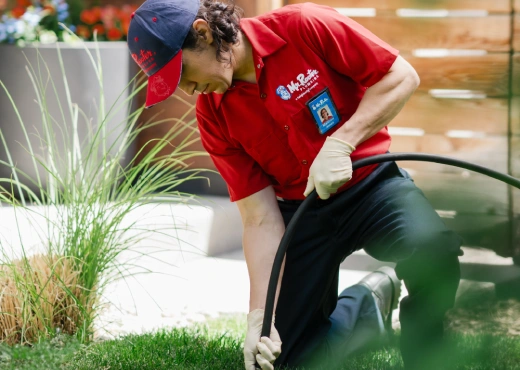
Slow drains and clogs happen for a reason. In Kansas City, hard water leaves mineral deposits in your pipes over time. Tree roots find tiny cracks in clay sewer laterals and grow into full blockages. Grease, soap buildup, and debris do the rest. When water backs up or drains slowly, your local plumbers use HydroScrub® Jetting to clear the line completely, not just poke a hole through the clog. High-pressure water scours the pipe walls clean, removing years of buildup and roots.
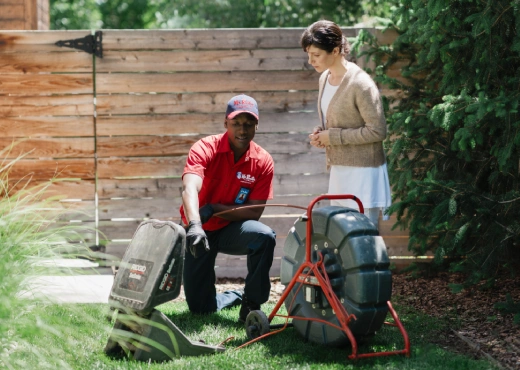
For stubborn blockages or recurring problems, we use video camera inspections to see exactly what's going on inside your pipes. When we run a camera inspection, we're looking for specific tells. A root mass that fills the pipe in one spot usually means a cracked joint or separated section, and that's a repair, not just a cleaning. A pipe that has sagged into a belly will hold water and debris no matter how many times you snake it. Grease buildup coats the walls and comes back fast unless you scrub it with high-pressure jetting. The camera shows us which problem you actually have, so you're not paying for the same fix twice.
Homeowners often try chemical drain cleaners first, and that's understandable. But in Kansas City's older clay sewer pipes, repeated use of chemical cleaners can soften and damage already brittle pipes, and the chemicals won't clear a root mass or a bellied section. If a drain is slow or backing up regularly, it's almost always smarter to camera and clean it properly the first time.
Sewer Line Repair and Replacement
Many Kansas City neighborhoods were built with clay sewer pipes, and those pipes don't last forever. Clay is brittle. It cracks when the soil shifts. Tree roots break through the joints. Neighborhoods like Waldo, Brookside, and the Plaza area feature homes built in the 1920s through 1950s with original cast-iron drain lines and clay sewer laterals. If you're buying or renovating an older home in these areas, a plumbing inspection should include a camera inspection of the sewer lateral, since clay and cast-iron pipes tend to fail around the same time. Cast iron corrodes from the inside out, and clay cracks under soil pressure.
When your sewer line fails, you'll see sewage backing up into your home, soggy spots in the yard, or drains that won't clear no matter what you try. We diagnose the problem with a camera inspection, then give you options. When we camera your sewer line and find a problem, the next question is always repair or replace.
If you have one cracked section and the rest of the pipe is solid, a spot repair makes sense. If the camera shows multiple cracks, root intrusion at several joints, and the pipe is original clay from the 1950s, replacing the lateral is usually the better long-term call. A sewer line repair done right should last 50-plus years, and if you're already excavating, fixing the whole problem once saves you from doing it again in five years. Either way, you see the price before work begins.
Water Heater Repair, Replacement, and Maintenance
Hard water is tough on water heaters. Calcium and magnesium settle at the bottom of the tank, reducing efficiency and shortening the heater's life. If your water isn't as hot as it used to be, the tank is making rumbling or popping sounds, or you're seeing rust-colored water, your water heater is telling you something.
When we service a water heater in Kansas City, we're checking more than just the sediment. We test the anode rod, which is the sacrificial metal that corrodes so your tank doesn't. If the rod is mostly gone and the tank is over 10 years old, flushing might buy you a year, but replacement is the smarter investment. We also check the pressure relief valve, look for rust stains at the base, and listen to how the burner cycles. A tank that's struggling in Kansas City's hard water often shows all three warning signs at once.
When I service a water heater in Kansas City, I can often tell how long it's been since the last flush just by listening to it run. If you hear popping or rumbling, that's the burner heating water through a thick layer of sediment at the bottom of the tank. The sediment acts like insulation. It makes the burner work longer and hotter to heat the same amount of water. If you're also noticing the hot water doesn't last as long as it used to, that's a sign the sediment is taking up space in the tank. A flush removes the buildup and restores efficiency, but if the tank hasn't been flushed in years and it's over 8 or 10 years old, the sediment can be baked on, and you might be better off replacing the unit.
A lot of homeowners wait until there's no hot water at all before calling, and by then the tank has often failed completely. If you notice the water isn't as hot, the tank is making noise, or you're seeing rust-colored water, those are early warning signs. Catching it early means you can plan the replacement on your timeline instead of doing an emergency install when the tank floods your basement. Tankless water heater upgrades are also available for homeowners who want endless hot water and better energy efficiency.
Water Pressure Testing and Leak Detection
Low water pressure can signal anything from a failing pressure regulator, corroded pipes, or an undetected leak in your plumbing system. If you're experiencing weak flow at multiple fixtures or sudden pressure drops, a water pressure test is the first diagnostic step. We use calibrated gauges to measure your home's water pressure and compare it to the ideal range. Kansas City's municipal water pressure can vary by neighborhood. Homes built before 1980 may have galvanized steel supply pipes that narrow over time as corrosion and mineral scale build up on the interior walls.
Leak detection is just as important when you see unexplained water bills, notice damp spots, or hear water running when nothing is on. Modern leak detection uses acoustic sensors and thermal imaging to pinpoint hidden leaks in walls without tearing up your home. Catching a leak early saves water, prevents structural damage, and keeps your bill under control. If you suspect a leak or notice your water pressure has dropped, don't wait. Small leaks become big problems fast.
Fixture Installation and Plumbing Repairs
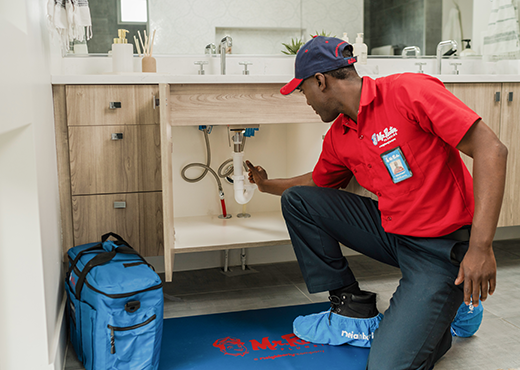
Whether you're updating a bathroom, replacing an old kitchen faucet, or installing a new toilet, proper fixture installation matters. A poorly installed faucet can leak at the connections. A toilet set without a proper wax seal will leak sewage under the floor. Our skilled plumbers handle fixture installations correctly the first time, from faucets and sinks to toilets, garbage disposals, and shower valves.
We also handle the small plumbing repairs that turn into big headaches when ignored. A dripping faucet wastes gallons of water over time. A leaky pipe under the sink can rot out the cabinet and subfloor. A running toilet can add hundreds of dollars to your water bill in a single month. We fix leaky pipes, repair plumbing fixtures, and make sure everything is sealed, tightened, and tested before we leave.
Backflow Prevention and Water Softener Installation
Backflow prevention protects your home's drinking water from contamination. If water pressure suddenly drops or reverses, water from irrigation systems, boilers, or other sources can be pulled back into your supply lines. That's where backflow prevention devices come in. Kansas City requires backflow prevention for certain plumbing installations, and annual testing is often required to keep the device functioning correctly. We install, test, and certify backflow prevention systems for residential and commercial properties.
If you're tired of dealing with Kansas City's hard water, a water softener installation can make a real difference. Hard water leaves spots on dishes, builds up on faucets and showerheads, reduces soap's effectiveness, and shortens the life of your water heater and appliances. A properly sized water softener removes the calcium and magnesium before the water reaches your fixtures and plumbing system. We size the system to your household water use, install it correctly, and show you how to maintain it so it keeps working efficiently for years.
Emergency Plumbing Repairs
Plumbing emergencies don't wait for business hours. A burst pipe, a backed-up sewer, or a water heater failure can happen at 2 a.m. on a Sunday, and you need help now. Your Kansas City Mr. Rooter Plumbing team is available 24/7 with a live person answering the phone and a licensed plumber on the way. We don't charge overtime rates for after-hours or weekend calls. You get the same upfront, flat-rate pricing no matter when the emergency happens. From frozen pipes during winter cold snaps to sudden leaks, sewer backups, and emergency plumbing repairs, we respond fast and fix the problem so your home gets back to normal.
Commercial Plumbing Services
Kansas City business owners can't afford plumbing disruptions. A clogged drain, a leaking pipe, or a broken water heater means lost time, frustrated employees, and unhappy customers. We work with commercial properties across Kansas City, including offices, retail locations, restaurants, and multi-unit buildings. You get scheduled maintenance to catch problems before they become emergencies, fast response when something does go wrong, and skilled plumbers who understand commercial codes and high-demand plumbing systems. We work around your schedule to minimize disruption and keep your business running.
Seasonal Plumbing Tips for Kansas City Homeowners
Winter: Protect Your Pipes from Freezing
Before the first hard freeze, check that your outdoor hose bibbs are shut off from inside and drained. Insulate any exposed pipes in crawl spaces or unheated basements with foam sleeves or heat tape. If you're leaving town during cold weather, keep the heat set to at least 55 degrees and consider leaving cabinet doors open under sinks on exterior walls to let warm air circulate. Know where your main shut-off valve is located. If a pipe does freeze and burst, turning that valve off immediately can save thousands of dollars in water damage.
Spring: Get Ahead of Sewer Backup Season
Spring rains put pressure on sewer systems, and that's when we see the most sewer backups tied to root intrusion or cracked laterals. If you've had slow drains or minor backups during dry weather, schedule a camera inspection before the heavy-rain season. It's much easier to fix a sewer line in dry conditions than during a spring storm.
If you have a sump pump in your basement, test it before the rain starts by pouring a bucket of water into the pit. Make sure the pump kicks on, drains the water, and shuts off properly. Spring is also a good time to clear gutters and downspouts so water drains away from your foundation instead of pooling near your home. If your sump pump is over 7 years old or struggles to keep up during heavy rain, replacing it is worth considering before the next storm.
When to Call 311 or KC Water vs. When to Call a Plumber in Kansas City
If you have no water, very low water pressure, a suspected water main break, or sewer odors that seem tied to the public system, KC Water asks residents to report service issues by calling 816-513-1313 or 311. Kansas City 311 is also the citywide hotline for service requests and status updates, and you can submit requests through the myKCMO app.
If the problem is happening inside your home or building, like a leaking pipe, a clogged drain, a sewer backup coming up through a floor drain, or a water heater failure, call a licensed plumber. KC Water notes that homeowners are typically responsible for the private residential sewer lateral from the connection at the sewer main to the building plumbing. Recurring backups often need a plumber even after the City checks the main.
What to Expect When You Schedule Service with Mr. Rooter Plumbing of Kansas City
When you call to schedule service, we'll ask a few questions to help us come prepared. Which fixtures are affected? When did the problem start? Have you noticed any patterns, like it happens after heavy rain, or only when the washing machine drains, or it's worse in the morning? That information helps us bring the right equipment and often points us toward the cause before we even arrive.
When your plumber arrives, they'll assess the situation, explain what they see, and walk you through your options before any work begins. You'll see the price upfront, and you decide whether to move forward. No surprises, no pressure. Once the work is done, we test the repair to make sure it's working correctly, clean up the work area, and explain what we found and what we fixed so you know exactly what happened and what to watch for going forward. If you're dealing with a leak, take a clear photo of the area and locate your main shut-off valve now. Knowing where that valve is turns a stressful leak into a controlled situation while your plumber is on the way.
Customer service is at the heart of everything we do. From the moment you call to the final walk-through after the repair, our goal is to make the process as clear and stress-free as possible. You're not just getting a repair. You're getting a plumber who takes the time to explain what's happening, answer your questions, and make sure you're confident in the work before we leave. That commitment to customer satisfaction is why homeowners across Kansas City trust us with their plumbing needs.