A clogged toilet is one of the most stressful plumbing problems a homeowner can face. The water rises, panic sets in, and suddenly you're scrambling to figure out what to do before the bowl overflows. For Surfside homeowners, where many homes deal with older plumbing infrastructure and high humidity, clogs can be especially common.
The good news is that most clogs can be handled safely without causing damage—if you know the right steps to take. The key is to stay calm, act quickly, and avoid common mistakes that can make things worse.
Here's a step-by-step guide on how to handle a clogged toilet in your Surfside home, what tools to use, and when it's time to call in a professional.
Stop the Water from Rising Immediately
Before doing anything else, your first priority is preventing an overflow. A clogged toilet can spill quickly, causing water damage and creating a sanitary nightmare.
How to Stop the Water
- Lift the toilet tank lid carefully
- Push the flapper down to seal the tank from the bowl
- Turn off the water supply at the shut-off valve behind the toilet
- Avoid flushing again under any circumstance
Where the Shut-Off Valve Is Located
The shut-off valve is usually behind the toilet, near the floor. Turning it clockwise stops the water flow into the tank, which prevents further overflow.
Why This Step Matters
| Action | Outcome |
|---|---|
| Stopping water quickly | Prevents flooding |
| Flushing again | Causes overflow |
| Doing nothing | Possible water damage |
Once the water is under control, you can move on to clearing the clog safely.
Use the Right Plunger for the Job
Not all plungers are created equal. Using the wrong type is one of the most common reasons people fail to clear a toilet clog.
Best Plunger for Toilets
A flange plunger (also called a toilet plunger) has an extended rubber piece that fits into the toilet drain. This creates the right seal for effective unclogging.
Plunger Types
| Type | Best Use |
|---|---|
| Flange plunger | Toilets |
| Cup plunger | Sinks and tubs |
| Accordion plunger | Tough toilet clogs |
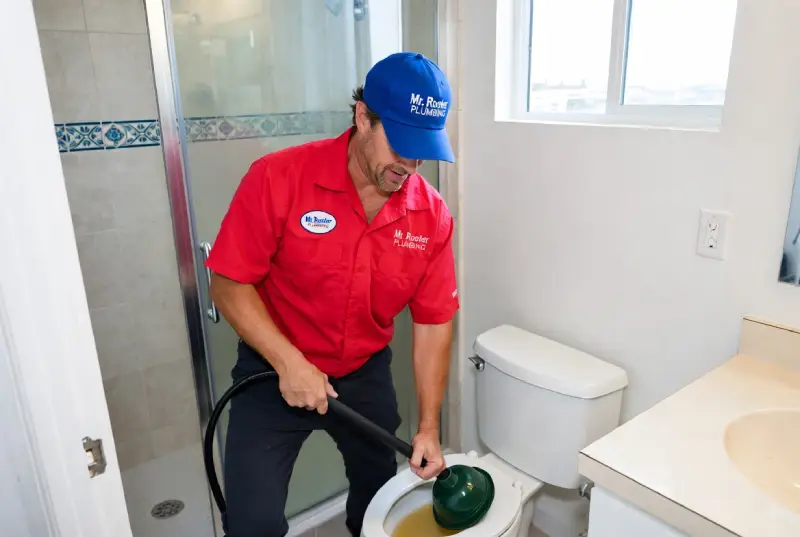
Proper Plunging Technique
- Insert the plunger to fully cover the drain
- Push down gently to release trapped air
- Plunge with firm, steady pressure
- Repeat 10–15 times before checking
- Avoid splashing by maintaining the seal
If plunging doesn't clear the clog after multiple attempts, it's time to try another method.
Try a Toilet Auger for Stubborn Clogs
When a plunger isn't enough, a toilet auger (sometimes called a closet auger) is the next step. This is a hand-cranked tool designed specifically for reaching deeper into the toilet drain.
Why Augers Work
Augers can reach clogs that plungers can't. They're particularly effective when:
- Foreign objects are blocking the drain
- The clog is deeper in the trap
- Plunging hasn't worked after several tries
- Water still won't drain at all
How to Use a Toilet Auger
| Step | Instruction |
|---|---|
| 1 | Insert the auger into the bowl |
| 2 | Crank the handle clockwise gently |
| 3 | Push the cable through the trap |
| 4 | Pull back slowly to clear debris |
Important Cautions
- Avoid using metal tools that can scratch porcelain
- Don't force the auger if it gets stuck
- Always wear gloves for sanitation
- Stop if you suspect a deeper plumbing issue
If an auger doesn't resolve the clog, it usually means there's a more serious problem requiring professional attention.
Avoid Chemical Drain Cleaners
Chemical drain cleaners might seem like an easy fix, but using them on toilets is one of the worst mistakes homeowners make.
Why You Shouldn't Use Them
- They can damage older plumbing
- They corrode pipes and fittings
- They can crack porcelain in toilets
- They produce harmful fumes
- They often don't work on solid blockages
Risks of Chemical Cleaners
| Risk | Outcome |
|---|---|
| Pipe corrosion | Long-term damage |
| Toilet damage | Cracks or breakdown |
| Health hazards | Fumes and burns |
| Environmental impact | Polluted water systems |
Safer Alternatives
- Plunging
- Using a toilet auger
- Professional drain cleaning
- Hot water and dish soap (for minor clogs only)
Surfside homes with aging pipes are particularly vulnerable to chemical damage. Stick with mechanical methods or professional service.
Identify What Caused the Clog
Once the clog is cleared, take a moment to figure out what caused it. Identifying the cause helps prevent future problems.
Common Causes of Toilet Clogs
- Too much toilet paper at once
- Flushing wipes—even those labeled "flushable"
- Foreign objects (toys, jewelry, hygiene products)
- Buildup in older or low-flow toilets
- Sewer line issues affecting multiple fixtures
Items That Should Never Be Flushed
| Item | Why It's a Problem |
|---|---|
| Wipes | Don't break down |
| Paper towels | Too thick to dissolve |
| Feminine products | Cause major clogs |
| Cotton balls | Absorb water and expand |
Repeated Clogs Are a Warning Sign
If your toilet clogs frequently, the issue is likely deeper than a single blockage. Recurring clogs often signal:
- A failing toilet flush mechanism
- Buildup in the drain line
- Tree root intrusion
- A sewer line obstruction
Addressing the root cause prevents future clogs and protects your plumbing system.
Know When to Call a Professional
Some clogs simply can't be solved with DIY methods—and trying too hard can make the problem worse. Knowing when to call a professional is just as important as knowing how to plunge.
Signs You Need a Plumber
- Plunging and augering don't work
- Multiple toilets are clogged
- Other drains are also slow or backing up
- You hear gurgling sounds throughout the home
- Water is backing up into showers or tubs
DIY vs Professional
| Situation | Best Approach |
|---|---|
| Single, simple clog | DIY |
| Recurring clog | Professional |
| Multiple fixture issues | Professional |
| Suspected sewer line problem | Professional |
Why Professionals Are Worth It
Plumbers have the tools, training, and experience to clear clogs without damaging your plumbing. They can also diagnose deeper issues that homeowners can't see.
Prevent Future Toilet Clogs
Preventing clogs is easier than dealing with them. A few simple habits can keep your toilet running smoothly long-term.
Best Practices
- Use only toilet paper—never wipes or other items
- Avoid flushing too much at once
- Keep small objects away from the toilet
- Schedule periodic plumbing inspections
- Watch for early warning signs
Educate the Whole Household
Most clogs are caused by what gets flushed. Make sure everyone in your home—especially kids and guests—knows what should and shouldn't go down the toilet.
Routine Maintenance Tips
| Frequency | Action |
|---|---|
| Monthly | Check for slow flushing |
| Quarterly | Inspect tank components |
| Annually | Schedule a plumbing inspection |
A well-maintained toilet rarely clogs. Prevention is always easier than repair.
Final Thoughts on Handling a Clogged Toilet in Surfside
A clogged toilet doesn't have to ruin your day. With the right tools, techniques, and a calm approach, most clogs can be handled safely at home. The key is knowing when to plunge, when to escalate, and when to call a professional.
In Surfside, where older plumbing systems and heavy use are common, taking proper care of your toilet matters more than you might think. Avoiding harsh chemicals, paying attention to recurring issues, and practicing good flushing habits all go a long way.
If your toilet clogs frequently or won't clear with standard methods, don't hesitate to reach out to a trusted local plumber. Catching the issue early prevents bigger plumbing problems—and keeps your home comfortable, clean, and functional.