With our team, there’s no guesswork and no surprises. We know this is the experience you need and deserve.
Here’s how the process typically goes:
- Quick Scheduling and Real-Person Interaction: A real person answers your call, 24/7. You explain what’s happening, and the team finds the earliest available window. We strive for same-day service for urgent situations.
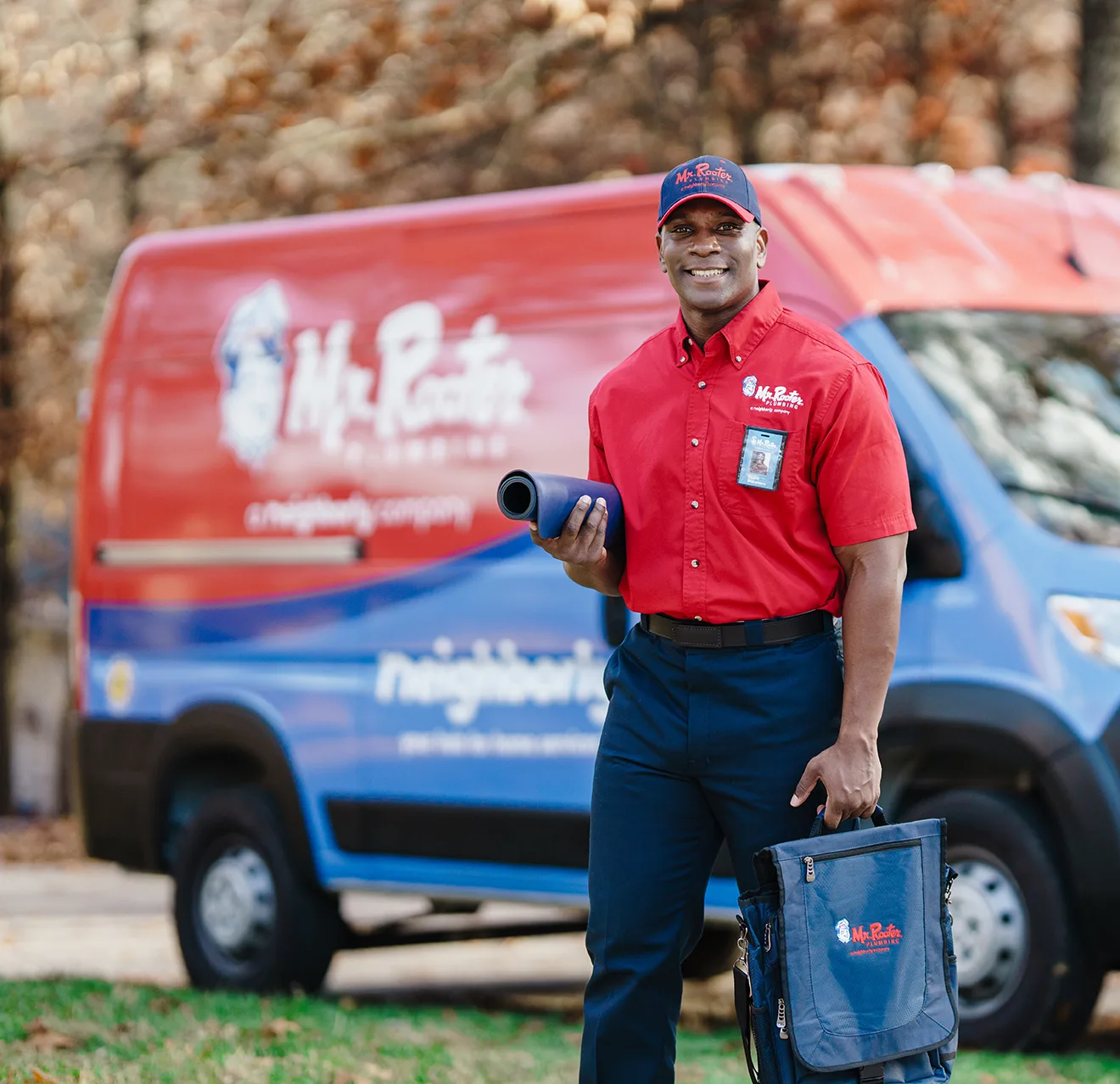
- Service Notifications and Tech Information: You get a call, text, or email when your tech is on the way and a bit of information about the person arriving. No sitting home wondering if someone is coming.
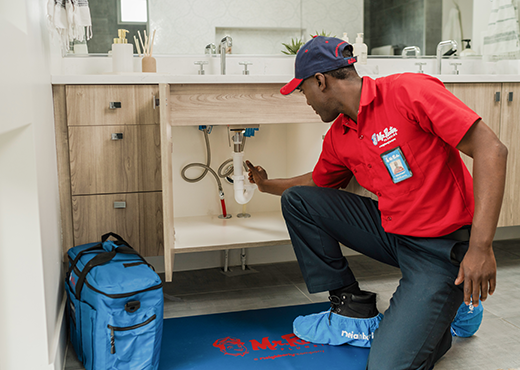
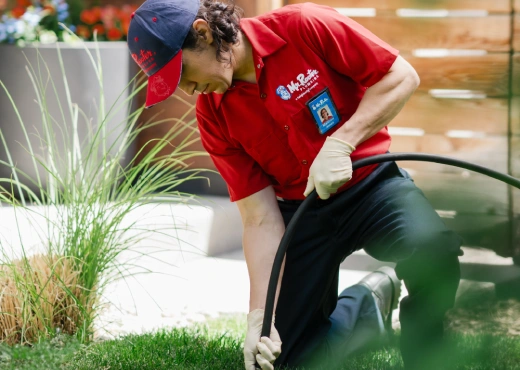
- Courteous, Professional Arrival: Your technician arrives on time with boot covers and floor protection. We introduce ourselves, listen to what you’ve noticed, and assess the faucet and the supply line behind it.
- Various Service Options to Suit Your Budget: You receive multiple options with upfront, flat pricing.** Rebuild the existing faucet? Upgrade to a frost-free ball-valve model? Repair a pipe that split inside the wall? You’ll know exactly what each option involves and what it costs before any work starts.
- Fast Service and Clean Workspace: Most repairs are completed in a single visit from a fully stocked truck. Old fixtures are hauled away.
- Final Walk-Through and Professional Maintenance Tips: Before leaving, your tech walks you through what was done, shows you how to operate the new shutoff if applicable, and shares maintenance tips.
Ready to get started? Contact us to schedule your outdoor spigot replacement in Rochester, MN.
Specific Seasons Perfect for Repairing or Replacing Your Outdoor Faucet
Timing matters with outdoor plumbing in Rochester’s climate.
Here’s when to act:
- Spring (April to May): If you turn on your hose bib for the first time and find low pressure, a persistent drip, or, worst case, water appearing inside near the exterior wall, those are signs of winter freeze damage that need immediate attention.
- Summertime (June to August): A spigot that won’t shut off completely, leaks around the handle, or shows visible rust and corrosion is worth addressing now, before fall maintenance season gets busy.
- Fall (September to October): The best time to upgrade from an older T-handle or gate-valve spigot to a frost-free model is before the first hard freeze.
Honestly, any time is a great time to contact our plumbers if you suspect an issue with an outdoor faucet, spigot, or hose bib.
Water staining near exterior walls, unexplained moisture in a basement or crawl space after outdoor faucet use, or a steadily rising water bill without explanation are all reasons to call.
7 Signs Your Outdoor Faucet or Spigot Needs Professional Attention from Our Technicians in Rochester, MN
Don’t wait until these small issues become a flooded basement:
- Dripping from the nozzle when fully closed. This is usually a sign of a worn washer or O-ring, often fixable with a rebuild kit.
- Leaking around the handle, which could indicate that the packing nut or stem packing may need replacement.
- No water or severely reduced flow because of a vacuum breaker failure, obstruction, or residual freeze damage in the supply line.
- Rust, corrosion, or visible cracks on the faucet body. In this case, the faucet has reached the end of its life and should be replaced.
- The handle is stiff or difficult to turn, which is common with older gate-valve spigots that corrode and seize over time; ball-valve replacements solve this.
- Water sounds from behind your wall when the outdoor faucet is running. This is a potential sign of a split pipe behind the bib.
- A shut-off happens at the exterior wall (not inside your home). This issue usually occurs in older non-frost-free models, and it’s particularly common every winter in Rochester.
Seeing any of these signs? Contact us today to schedule outdoor faucet repair or replacement in Rochester before it becomes a bigger problem.
How Freeze-Thaw Cycles Damage Rochester’s Outdoor Faucets
Southeast Minnesota winters bring extreme cold and unpredictable temperature shifts, making freeze-thaw cycles a major threat to exterior plumbing.
Traditional outdoor faucets leave water trapped inside the exposed pipe right next to your exterior wall. As this water freezes, it expands with enough force to crack the copper pipe hidden inside your walls. Because the ice acts as a plug, the leak remains completely invisible until spring. Once you turn the water on for the season, it flows directly into your home’s interior, causing sudden water damage.
Upgrading to a frost-free hose bib eliminates this risk. This specialized design places the shutoff valve 12 to 14 inches inside your home’s heated space. When you turn off the faucet, all remaining water drains completely out of the stem, leaving nothing behind to freeze in the cold zone.
If your Rochester home still uses an older-style spigot, a frost-free upgrade is a smart, low-cost preventative improvement to make before autumn’s freezing temperatures arrive.
Protect Your Outdoor Faucets and Spigots Before Winter
A little prevention in October goes a long way in Rochester’s winters:
- Disconnect all garden hoses before freezing temperatures arrive (even frost-free hose bibs can freeze if a hose is attached), because the hose traps water and prevents draining.
- Locate and close the interior shutoff valve for each outdoor faucet (typically in your basement or crawl space), then open the outdoor faucet to drain remaining water.
- For frost-free bibs, removing the hose is still the critical step. The bib drains automatically once the hose is off and the faucet is closed.
- Inspect each faucet body in fall for corrosion, cracks, or stiffness before cold weather locks in the risk.
- Add an insulated faucet cover as a secondary layer of protection for older spigots not yet upgraded to frost-free.
Schedule a pre-winter plumbing check with Mr. Rooter Plumbing of Rochester if you’re unsure about the condition of your exterior plumbing.