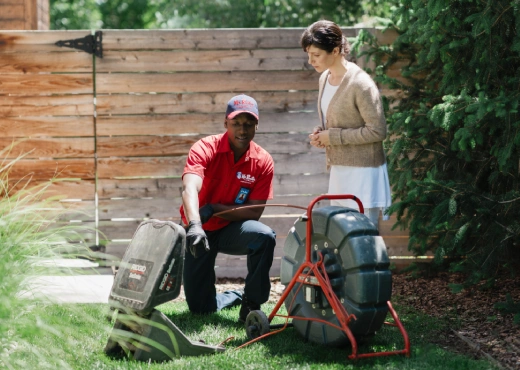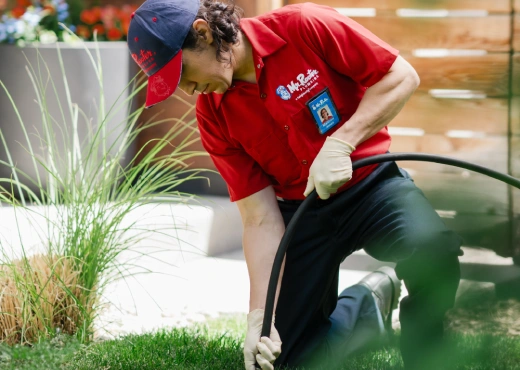
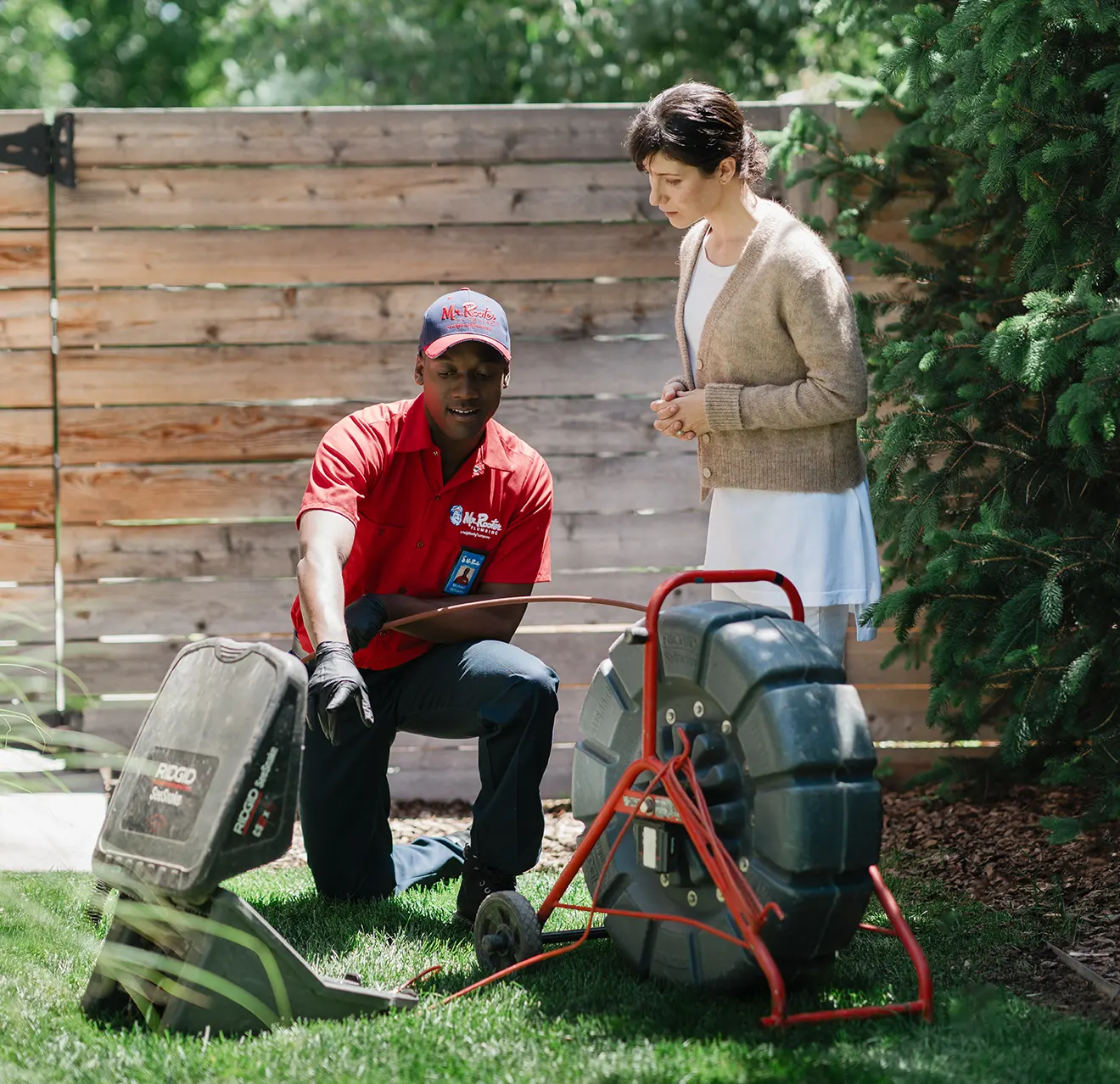
A sewer camera is a high-resolution head on a flexible rod, fed in through a cleanout and pushed along the line while you watch the feed. It isn't a diagnostic guess. You see the inside of your own pipe, in real time, and so do we.
Four things usually decide the outcome. Material tells us roughly what to expect, because clay, cast iron, and modern PVC each fail in their own way and on their own timescale. Joints are where most trouble starts, since a gap of a millimeter is enough for a root to find. Grade shows whether water is running away properly or pooling in a low section that will collect solids indefinitely. And intrusion covers everything that shouldn't be in there, from roots to a collapsed section of the pipe wall itself.
This matters more than it used to. In the 2022 Clean Watersheds Needs Survey, the EPA put the national bill for conveyance system repair and new conveyance systems at $151.1 billion, part of a $630.1 billion total need over twenty years. Buried pipe is the part of the system nobody looks at until it fails.
The practical value is that it changes what happens next. An inspection that finds roots at a single joint points one way, toward HydroScrub® jetting and a targeted fix. One that finds a failing run points toward sewer line repair or replacement. Same symptom at the sink, entirely different job in the ground.
A job in the Miramonte neighborhood, near Cuesta Park, shows why the camera goes in more than once. The property had repeat backups, so we snaked the 200-foot line from the two-way cleanout and then jetted it because the intrusion was extensive, running the camera both before and after. Even after snaking, the camera found roots at almost every connection, and the growth had pushed joints out of alignment, which was the actual cause of the backups rather than anything going down the drain. That moved the recommendation from cleaning the line to replacing it, along with a city cleanout, since there were roots near the city main as well. The house dates from 1955, which is a fair part of the explanation on its own.