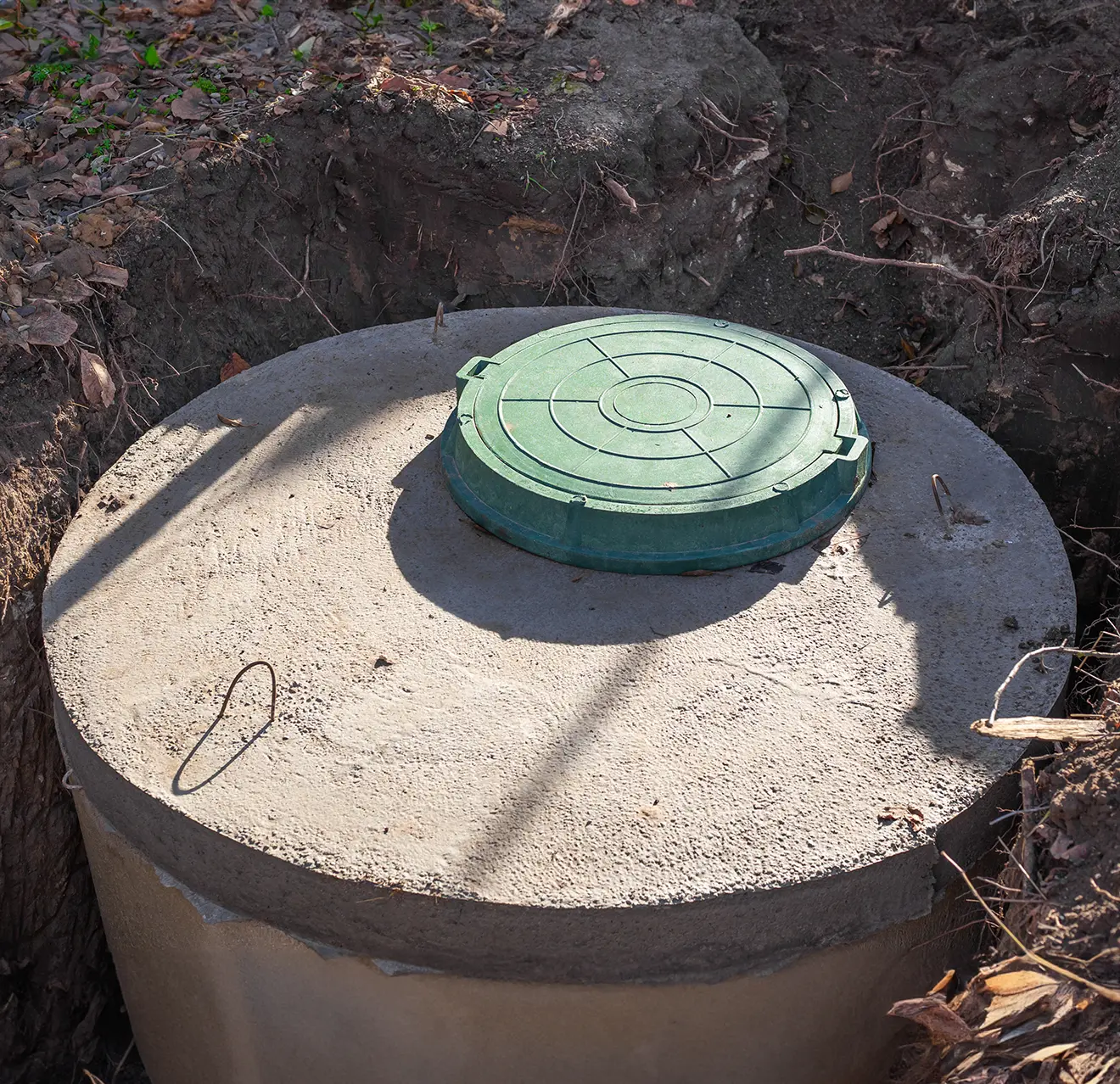
A septic system operates by directing wastewater into a septic tank via a specific chamber where solids settle at the bottom while scum rises to the top. The liquid then traverses the chamber, carrying the scum with it into an additional chamber. Lastly, the surplus liquid is expelled into a drain field. All through this process, the waste undergoes anaerobic decomposition.
A properly functioning septic tank contributes to the efficient operation of a property, eliminating the need to connect to municipal water treatment lines. It's advisable to pump the average tank every three to five years. Neglecting this can result in a full tank that may overflow, necessitating a septic tank inspection and potential repairs. Several common issues afflict septic tanks, including:
Separation of the Dividing Wall
A septic tank may partition into two sections, causing one chamber to collect solid waste and result in system failure.
Overflowing Tank
An overfilled septic tank may signify a problem with the drain field's waste absorption capacity.
Corroded Walls
Hydrogen sulfide gas trapped within the tank compartments can corrode the walls. In severe cases, this might result in leaks or necessitate a complete tank replacement.
Intruding Roots
The emission of wastewater from the septic tank can attract plant growth, particularly if the unit is underground. Roots of large plants like trees can cause major damage.