Key Takeaways
- Water heater replacement in Austin costs between $1,400-$3,200 for standard tanks, $2,000-$4,500 for tankless systems, and $1,500-$3,500 for heat pump models before rebates.
- Austin Energy offers significant rebates ($800+) for energy-efficient heat pump water heaters that can substantially reduce your total replacement cost.
- Austin's hard water conditions make regular maintenance essential and may impact your choice between tank and tankless systems.
- Professional installation from certified plumbers like Mr. Rooter Plumbing of Austin ensures code compliance and proper sizing for your household's specific needs.
- Switching from tank to tankless systems costs more upfront but can reduce utility bills by 30-40% and increase your home's resale value.
Replacing your water heater in Austin isn't just about restoring hot water, but rather an opportunity to upgrade efficiency, reduce utility bills, and increase home value. With Austin's unique climate, water quality, and energy rebate programs, making the right choice matters. Mr. Rooter Plumbing of Austin provides comprehensive water heater replacement services, helping you navigate the options for your specific situation.
Let's break down everything you need to know about water heater replacement costs in Austin for 2026, from the initial signs you need a replacement to finding the right professional for installation.
2026 Water Heater Replacement Costs in Austin, TX
Water heater replacement costs in Austin vary significantly based on the type of unit, size requirements, and installation complexity. Understanding these cost ranges helps you budget appropriately and evaluate quotes from local plumbers.
Average Cost Ranges for Different Water Heater Types
Standard tank water heaters remain the most affordable option upfront, with total replacement costs (including installation) ranging from $1,400 to $3,200 depending on capacity and energy efficiency. Tankless water heaters represent a premium option with costs between $2,000 and $4,500 installed, though they offer significant long-term energy savings. Heat pump (hybrid) water heaters fall between $1,500 and $3,500 before applying any Austin Energy rebates, which can reduce your net cost by $800. Ranges reflect full professional installation including permits, code add-ons, and Austin-specific factors; actual quotes vary, get multiple bids.
The initial investment varies substantially based on your home's specific requirements and existing infrastructure. Homes switching from tank to tankless systems, for instance, may require electrical upgrades or gas line modifications that add $400-$900 to the total project cost.
What Factors Drive Water Heater Costs in Austin
Austin's unique conditions directly impact replacement costs in ways many homeowners don't anticipate. The city's moderately hard water causes faster deterioration of heating elements and tanks, sometimes necessitating more frequent replacements or the addition of water softening systems. Local building codes have also evolved to require expansion tanks, permit fees, and sometimes seismic strapping, adding $150-$350 to many installations. Additionally, Austin's hot climate affects placement options, garage installations may require insulated doors or additional insulation to maintain efficiency during the scorching summer months.
Installation vs. Equipment Cost Breakdown
Labor typically accounts for 30-45% of your total water heater replacement cost in Austin. For standard tank replacements, expect $600-$1,000 in labor costs alone, while tankless installations generally run $800-$1,800 for labor due to their greater complexity. Equipment costs vary based on efficiency ratings, warranty length, and brand reputation, with top-tier models from brands like Rheem, Bradford White, and Navien commanding premium prices but delivering better reliability in Austin's challenging water conditions.
Peripheral materials and components like expansion tanks ($40-$350), water and gas connectors ($25-$60), pressure relief valves ($20-$200), and permit fees ($50-$150) further add to the total project cost. Many homeowners find value in bundling a water heater replacement with other plumbing improvements to maximize labor efficiency and reduce overall costs.
Signs Your Austin Home Needs a New Water Heater
Recognizing the warning signs of water heater failure can help you plan a replacement before you're stuck taking cold showers. Austin's water quality and climate present unique challenges that may accelerate wear on your system.
Age-Related Warning Signs
Traditional tank water heaters typically last 8-12 years, while tankless units can function effectively for 15-20+ years with proper maintenance. If your water heater is approaching these age thresholds, it's wise to begin researching replacement options before failure occurs. Visible rust around tank connections, a manufacturing date code indicating advanced age, or declining efficiency (such as longer recovery times) suggest your unit is entering its final stages. In Austin's hard water environment, mineral buildup accelerates corrosion and can significantly reduce unit lifespan compared to national averages.
Older units also lack the energy efficiency features of modern replacements, which means you're likely paying more in monthly utility costs than necessary. Even a 5-year-old tank water heater typically uses 10-15% more energy than current models, making replacement increasingly cost-effective as units age.
Performance Issues That Signal Replacement
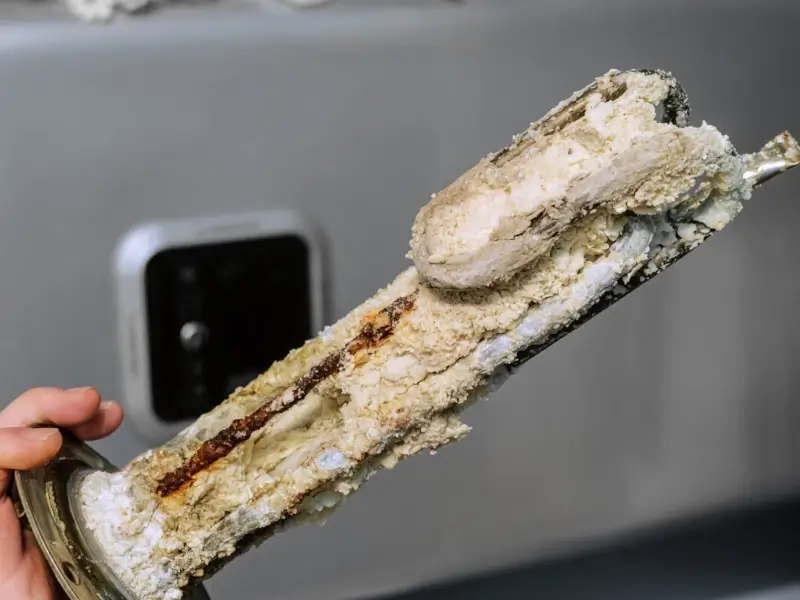
When your hot water runs out faster than it used to, takes longer to recover, or never seems to get fully hot, these are classic signals of heating element deterioration or sediment buildup. Unusual noises, particularly popping, cracking, or rumbling sounds, indicate mineral scale has accumulated on heating elements and tank bottoms, forcing the system to work harder and less efficiently. Water discoloration, particularly rusty or metallic-smelling water, suggests tank corrosion that will eventually lead to leaks.
Emergency Replacement Indicators
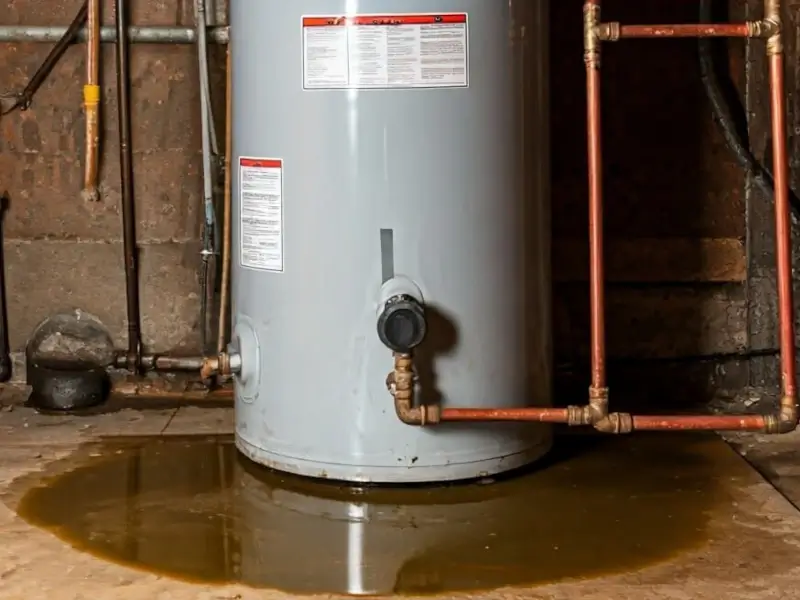
Water pooling around the base of your water heater represents the clearest emergency signal requiring immediate replacement. Even small leaks will rapidly escalate as tank integrity continues to deteriorate. Fluctuating water temperatures, especially sudden blasts of scalding water, indicate dangerous thermostat or valve failures that compromise safety. If you notice your energy bills spiking unexpectedly without changes in usage patterns, your water heater may be consuming excessive electricity or gas due to component failure.
Austin's seasonal temperature changes can sometimes mask water heater performance issues, as winter demands more from your system than summer months. Pay particular attention to performance changes when temperatures drop, as this often reveals weaknesses in aging systems.
Addressing these warning signs promptly can prevent the inconvenience and potential water damage of a catastrophic failure. Most Austin plumbing companies offer emergency replacement services, but scheduled replacements typically cost less and allow more time to select the optimal system for your needs.
Cost of Repairs vs. Replacement
Deciding whether to repair or replace your water heater often comes down to simple math. For units under 6 years old, repairs costing less than 50% of replacement typically make financial sense. However, Austin's hard water conditions can accelerate wear, making the repair-or-replace calculation more complex than in other regions.
Common repairs like replacing heating elements ($150-$300) or thermostats ($150-$250) might seem economical, but when a tank is already showing signs of corrosion, these repairs merely delay the inevitable. Factor in potential water damage from a failing tank (averaging $2,500-$5,000 per incident) and the decision often tilts toward proactive replacement.
Water Heater Types: What Works Best in Austin
Austin's climate and water conditions create unique considerations when choosing a water heater type. The right selection balances initial cost against long-term savings while accounting for your household's specific hot water demands.
Tank vs. Tankless Comparison
Traditional tank water heaters remain popular due to their lower upfront cost ($1,400-$3,200 installed) and simpler installation process. They store 40-80 gallons of hot water, making them ideal for households with simultaneous hot water needs. However, in Austin's hard water environment, tank systems typically last only 8-12 years and consume energy continuously to maintain water temperature.
Tankless water heater systems have gained significant traction in Austin homes due to their space-saving design and on-demand heating capability. While more expensive initially ($2,000-$4,500 installed), they last 15-20+ years and reduce energy consumption by 30-40%. For Austin's newer, smaller homes and condos where space is premium, the compact design offers additional value. Tankless units also better handle Austin's occasional water pressure fluctuations, though they require annual descaling to combat mineral buildup from the city's hard water.
Heat Pump Water Heaters and Austin Energy Rebates
Heat pump (hybrid) water heaters represent the most efficient option for Austin homeowners, using 60-70% less energy than standard electric models. These systems extract heat from surrounding air rather than generating it directly, making them particularly effective in Austin's warm climate. While their upfront cost ranges from $1,500-$3,500, substantial rebates from Austin Energy ($800+ for qualifying models) significantly reduce the net investment.
For optimal performance, heat pump water heaters require installation in spaces with at least 1,000 cubic feet of air volume and temperatures staying between 40-90°F year-round. Many garages and utility rooms meet these requirements perfectly. The noise level (comparable to a modern dishwasher) should also be considered when planning installation location.
For even greater control and efficiency, consider pairing your new system with smart technology. Learn more in our smart water heater guide, which covers features like remote monitoring, leak detection, and energy optimization via smartphone apps, which is ideal for Austin homeowners looking to maximize savings and convenience.
Gas vs. Electric: Long-Term Cost Analysis
For Austin residents, the gas versus electric decision significantly impacts both upfront and operating costs. Gas water heaters typically cost $100-$300 more upfront but operate 30-40% more economically in most Austin neighborhoods, with annual operating costs averaging $200-$350 compared to $450-$650 for standard electric models. However, homes without existing gas lines face additional installation costs of $500-$1,500 to run new gas connections.
Electric models offer simpler installation and zero emissions but higher operating costs unless paired with solar panels. The emergence of time-of-use electricity rates in Austin has made electric water heaters with programmable controls increasingly attractive, as they can be set to heat water during lower-cost periods.
Sizing Your Water Heater Correctly
Properly sizing your water heater prevents both wasteful oversizing and frustrating undersizing. For tank systems in Austin homes, a family of 1-2 typically requires 30-40 gallons, 2-3 people need 40-50 gallons, and households of 4-5 need 50-80 gallons. Tankless systems are sized by flow rate rather than capacity, with most Austin homes requiring units capable of handling 6-10 gallons per minute depending on simultaneous usage patterns.
Oversizing wastes money on both purchase and operation, while undersizing leads to running out of hot water during peak usage times. Professional sizing calculations account for your specific fixtures, family routines, and Austin's incoming water temperature, which varies seasonally between 50-75°F.
Austin Permit Requirements and Code Compliance
Replacing a water heater in Austin requires navigating specific local regulations that ensure safety and code compliance. Skipping permits may save money initially but can create significant headaches when selling your home or filing insurance claims.
Required Permits for Water Heater Installation
The City of Austin requires permits for all water heater replacements, regardless of whether you're switching types or simply replacing an existing unit with a similar model. This requirement exists primarily to ensure installations meet safety standards for gas connections, electrical work, and pressure relief systems. Most professional plumbers in Austin include permit acquisition as part of their installation package, handling the paperwork and scheduling required inspections.
For DIY installations, you'll need to apply directly through the City of Austin Development Services Department, either online or in person. Be prepared to provide details about the new unit's specifications, your property information, and installation plans. Remember that permitted installations require inspection after completion, typically within 10 business days of installation.
Austin-Specific Code Requirements
Austin has adopted stricter water heater installation codes than surrounding Texas communities, reflecting concerns about energy efficiency and earthquake safety. All new installations must include expansion tanks to prevent pressure buildup, temperature and pressure relief valves that discharge to appropriate locations, and seismic strapping in certain zones. Gas water heaters face additional ventilation requirements, while electric models must meet specific circuit and disconnect specifications outlined in the city's amendments to the National Electric Code.
Permit Costs and Application Process
Water heater replacement permits in Austin typically cost between $50-$150 depending on whether the installation involves changing fuel types or significant plumbing modifications. The permitting process takes 1-3 business days for standard applications, though expedited processing is available for an additional fee. Some neighborhoods within Austin's historic districts have additional approval requirements that can extend the timeline by 2-4 weeks.
The inspection process follows installation, with inspectors verifying that temperature settings don't exceed 120°F (to prevent scalding), pressure relief mechanisms function properly, and all connections meet current code requirements. Failed inspections require corrections and re-inspection, potentially adding days or weeks to project completion.
DIY vs. Professional Installation Cost Analysis
The allure of saving money through DIY water heater installation is tempting, but Austin homeowners should carefully weigh this against potential risks and hidden costs. Understanding the true cost differences helps make an informed decision that balances immediate savings against long-term reliability and safety.
Hidden Costs of DIY Installation
While saving $600-$1,800 in labor costs seems attractive, DIY installations carry significant hidden expenses. You'll need specialized tools like pipe wrenches, soldering equipment, electrical testers, and gas detectors, often costing $150-$300 if you don't already own them. Most manufacturers also void warranties on self-installed units, potentially costing thousands if premature failure occurs. Perhaps most significantly, Austin homeowners who install their own water heaters still need permits and professional inspections, with failed inspections requiring costly corrections and additional inspection fees.
Benefits of Professional Installation
Professional plumbers bring specialized knowledge that ensures your system operates at peak efficiency and safety. They understand Austin's building codes intimately and can navigate permit requirements efficiently, typically guaranteeing their work passes inspection. Professional installations also maintain manufacturer warranties, provide liability protection in case of damage, and typically include proper disposal of your old unit (which can cost $50-$150 otherwise). Many Austin plumbing companies also offer extended workmanship warranties, protecting against installation-related issues for 1-5 years.
Average Labor Costs in Austin
Professional water heater installation labor in Austin typically ranges from $600-$1,000 for standard tank replacements, $800-$1,800 for tankless systems, and $700-$1,200 for heat pump models. These rates reflect the market's competitive nature and the technical expertise required. Most companies offer flat-rate pricing rather than hourly rates, protecting you from unexpected cost increases if complications arise. Labor costs generally include all aspects of installation: removal and disposal of old units, connection to existing systems, testing, and initial setup optimization.
What Mr. Rooter Plumbing of Austin Includes in Their Service
When evaluating installation quotes, understanding exactly what's included helps prevent unpleasant surprises. Mr. Rooter Plumbing of Austin offers comprehensive installation packages that include permit acquisition, removal and disposal of old units, all required peripheral components (expansion tanks, earthquake strapping, etc.), complete system testing, and warranty registration. Their technicians also provide detailed operation instructions, maintenance recommendations specific to Austin's water conditions, and scheduling of required inspections, creating a truly turnkey experience.
Energy Efficiency Savings and Rebates
The true cost of a water heater extends far beyond the purchase price, with energy consumption representing 14-18% of the average Austin home's utility bills. Selecting an energy-efficient model can dramatically reduce your long-term ownership costs while qualifying for substantial rebates and incentives.
Austin Energy Rebate Programs for 2026
Austin Energy offers several rebate programs to encourage water heater efficiency upgrades. Their most substantial rebate provides $800 for qualifying heat pump water heaters with an Energy Factor of 2.0+ and a minimum 6-year warranty. Gas tankless water heaters with an Energy Factor of 0.82 or higher qualify for $300 rebates when installed by participating contractors. These rebates require application within 60 days of installation and submission of detailed installation documentation and proof of purchase. The programs operate on annual funding cycles, so it's advisable to confirm availability before beginning your replacement project.
Federal Tax Credits for Energy Efficient Water Heat heaters
Beyond local incentives like Austin Energy rebates, federal tax credits have helped reduce the effective replacement cost for qualifying installations. Under the Inflation Reduction Act's Energy Efficient Home Improvement Credit (Section 25C), homeowners could claim up to $2,000 for qualifying heat pump water heaters and other high-efficiency electric models (30% of the total project cost, including installation). These credits were claimed on your federal income tax return and directly reduced your tax liability dollar-for-dollar, creating substantial savings.
Important update for 2026: This credit was available only for qualifying property placed in service (installed) on or before December 31, 2025. It is no longer available for new installations in 2026 or later. If you completed a qualifying heat pump water heater installation by the end of 2025, you may still claim it on your 2025 tax return (filed in 2026). Always verify eligibility and current rules directly with the IRS, a qualified tax professional, or the latest IRS guidance, as program details can change.
Real Cost Savings on Your Utility Bills
The ongoing savings from an efficient water heater can be substantial in Austin's climate. Standard tank water heaters typically cost $450-$650 annually to operate, while ENERGY STAR models reduce this by 10-20%. Tankless systems offer even greater savings, typically reducing energy consumption by 30-40% for annual savings of $135-$260. Heat pump water heaters deliver the most dramatic reductions, using 60-70% less energy than standard electric models, potentially saving $270-$455 annually for the average Austin household.
How to Extend Your Water Heater's Lifespan in Austin
Austin's notorious hard water conditions can significantly reduce water heater lifespan if left unaddressed. Mineral deposits accumulate faster here than in many other regions, accelerating corrosion and reducing heating efficiency. Implementing a consistent maintenance routine can add 3-5 years to your water heater's operational life while maintaining energy efficiency. For more information on maintaining your water heater, you can visit Mr. Rooter Plumbing of Austin.
Proactive maintenance also helps identify potential issues before they escalate into emergency situations, giving you time to budget and plan for eventual replacement rather than facing unexpected failures.
Maintenance Schedule for Austin's Hard Water Conditions
Austin's hard water necessitates more frequent maintenance than national guidelines suggest. Tank water heaters should undergo sediment flushing every 6-8 months rather than the standard annual recommendation. Anode rods, which protect tanks from corrosion, typically need replacement every 2-3 years in Austin rather than the 3-5 years common elsewhere. Tankless systems require professional descaling annually to prevent efficiency loss and premature heat exchanger failure—a process involving specialized pumps and descaling solutions that flush minerals from internal components.
Simple DIY Maintenance Tips
Several maintenance tasks fall within the average homeowner's capabilities and require minimal tools or expertise. Checking temperature settings quarterly ensures your unit operates at the recommended 120°F, which is hot enough for sanitation but low enough to prevent scalding and minimize energy consumption. Testing the pressure relief valve biannually (by lifting and releasing the lever) confirms this critical safety feature remains functional. For tank systems, draining a few gallons from the tank's drain valve quarterly helps remove accumulated sediment before it hardens into difficult-to-remove deposits. Even simple visual inspections for leaks, corrosion, or unusual sounds can identify developing problems before they cause significant damage.
Professional Maintenance Services
Professional maintenance services provide comprehensive care that extends beyond typical DIY capabilities. Annual professional services typically include anode rod inspection and replacement when needed, heating element testing and cleaning, thermostat calibration, and complete system pressure testing. For tankless systems, professionals use specialized equipment to circulate descaling solutions through heat exchangers, which is a process that removes mineral buildup from areas inaccessible to homeowners. Many Austin plumbing companies offer maintenance plans that schedule these services automatically and provide priority scheduling for any needed repairs, ensuring your system receives consistent care without requiring you to remember maintenance intervals.
Finding the Right Austin Plumbing Contractor
Selecting the right contractor for your water heater replacement significantly impacts both installation quality and long-term satisfaction. Austin's plumbing market includes numerous providers ranging from large national companies to independent local operators, each offering different advantages and potential drawbacks.
The ideal contractor combines technical expertise with transparent pricing, proper licensing, and a solid reputation within the Austin community. Avoid making decisions based solely on price, as the lowest bid often reflects compromises in materials, warranty coverage, or installation thoroughness.
Take time to research multiple options before committing, requesting detailed written estimates that specify exactly what's included, and equally important, what's not included, in the quoted price.
Questions to Ask Before Hiring
When interviewing potential contractors, specific questions help identify those best suited for your project. Ask about their experience with your specific water heater type, especially important for tankless or heat pump installations which require specialized knowledge. Request verification of proper licensing through the Texas State Board of Plumbing Examiners and confirm they carry liability insurance of at least $1 million and workers' compensation coverage.
Inquire about their familiarity with Austin's permit requirements and whether permit costs are included in their estimate. Ask whether they provide written warranties on both equipment and labor, and what their typical response time is for warranty service. Finally, request a detailed timeline for your project, including permit acquisition, installation, and inspection scheduling.
Red Flags to Watch For
Certain contractor behaviors should immediately raise concerns during the evaluation process. Be wary of those requesting large deposits exceeding 30% of the total project cost or pressuring you to make immediate decisions without adequate information. Contractors who cannot provide proof of insurance, seem unfamiliar with local code requirements, or offer substantially lower prices than competitors may be cutting corners that create long-term problems. Other warning signs include reluctance to provide references, unwillingness to obtain proper permits, or inability to clearly explain the installation process in terms you understand.
Why Choose Mr. Rooter Plumbing of Austin for Your Replacement
Mr. Rooter Plumbing of Austin combines extensive water heater expertise with comprehensive service coverage that addresses Austin's specific installation challenges. Their technicians undergo rigorous training on all water heater types, including specialized certification for tankless and heat pump systems. They handle all permit requirements, provide transparent upfront pricing without overtime charges, and back installations with some of the strongest warranties in the Austin market. Their familiarity with Austin Energy rebate programs helps maximize your available incentives, while their 24/7 availability ensures support whenever issues arise, even years after installation.
Ready to Upgrade Your Water Heater in Austin and Surrounding Areas?
Don’t risk cold showers, skyrocketing bills, or emergency failures in our hard water environment. With 2026 costs clarified and Austin Energy rebates (plus federal credits) waiting to slash your investment, especially on efficient heat pump or tankless models, now is the perfect time to act.
Mr. Rooter Plumbing of Austin proudly serves Austin, Pflugerville, Round Rock, Georgetown, and surrounding communities with turnkey water heater replacement: expert sizing, full code compliance (including permits, expansion tanks, and strapping), old unit removal, rebate guidance, and the Neighborly Done Right Promise® for guaranteed workmanship.
Call (512) 593-8697 today for a free estimate or book online at mrrooter.com/austin. Our 24/7 team is ready to handle your project in Austin or nearby areas with professional, upfront pricing and no surprises.
Get reliable hot water, lower bills, and peace of mind. Contact Mr. Rooter Plumbing of Austin now!
Frequently Asked Questions (FAQs)
Throughout our experience helping homeowners with Austin water heater repair and replacements, certain questions arise consistently. Understanding these common concerns helps you approach your replacement project with greater confidence and clearer expectations.
These questions address the practical aspects of water heater replacement that many homeowners don't consider until mid-project, potentially creating unexpected complications or expenses.
We've compiled the most frequent inquiries along with detailed answers reflecting Austin's specific circumstances, regulations, and water conditions.