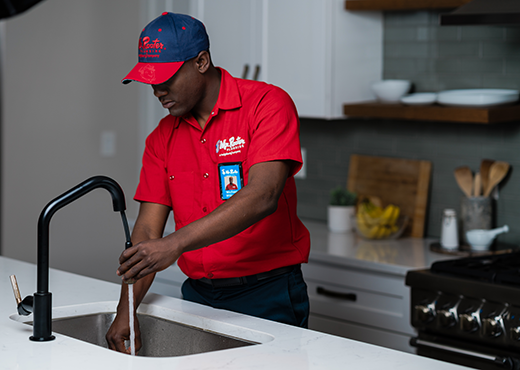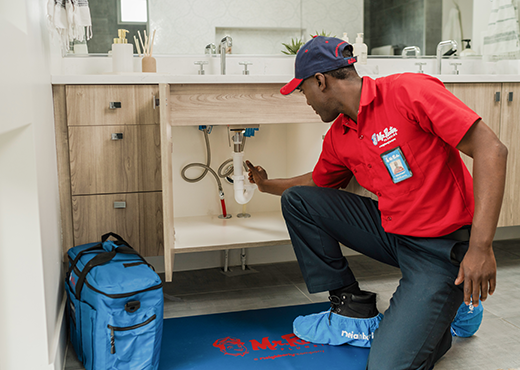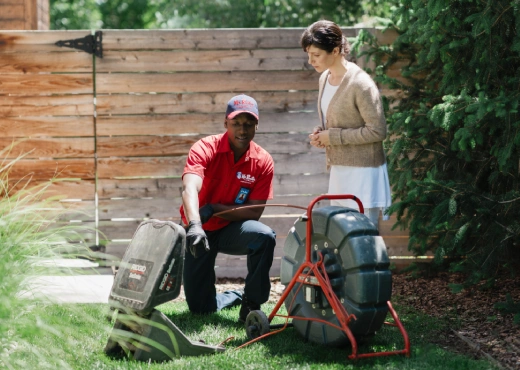

A hydrostatic test works by isolating specific sections of pipe, filling them with water to the highest point, and then monitoring the pressure levels. If there is a drop in pressure, it means there is a leak somewhere in the pipe. If the pressure remains stable during the testing period, the pipes are fine.
Hydrostatic checks are often used during the home inspection process, as well as after foundation repairs. If you’re buying an older home, for instance, it may have pipes that are several decades old. A hydrostatic test can check to make sure the plumbing is operational, thus preventing any major headaches from leaks and burst pipes.
The last thing you want is to spend your life savings on a new home and then spend the next few months calling plumbers to deal with leaking and burst pipes.
What Can Hydrostatic Tests Reveal?
A hydrostatic test can reveal an active leak. Once the pipes are pressurized, a leak will cause the pressure to drop. The technician will see this, diagnose a leak, and then locate it. It doesn’t have to be big, either. Hydrostatic testing can reveal even the smallest pinprick leaks—if there’s a problem, our tests will find it.
It can also reveal structural weaknesses, such as older pipes that are not capable of dealing with current pressure levels. This is very useful information if you’re inspecting a potential house purchase, as you can factor the cost of fixing or replacing the plumbing into your offer.