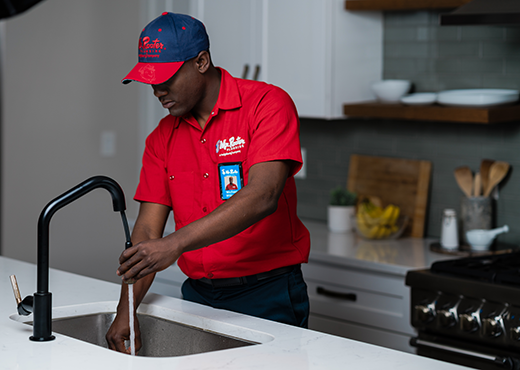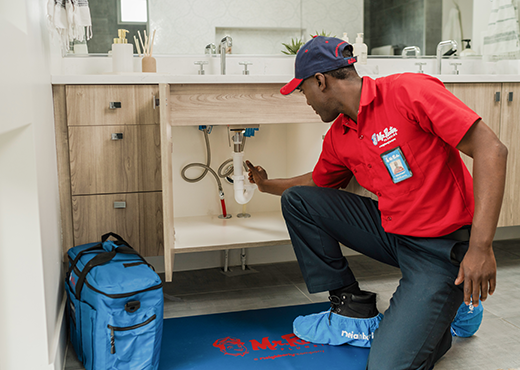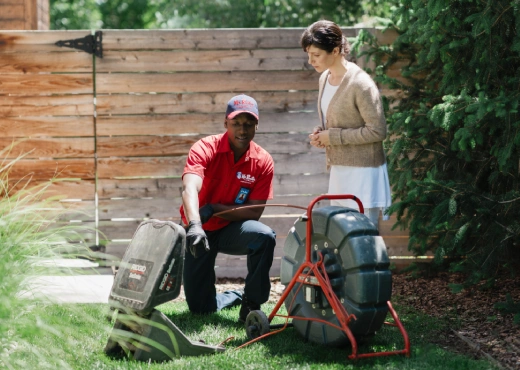
Preventing a plumbing emergency is essential to avoid costly plumbing repairs and disruptions to your daily life.
Here are six valuable tips on how to avoid plumbing emergencies:
- Regular Plumbing Maintenance. Schedule routine plumbing inspections. We can help identify and address potential issues before they escalate into emergencies.
- Monitor Your Water Pressure. High water pressure can strain pipes and fixtures, increasing the risk of leaks or bursts. Your home's water pressure should be between 30-80 psi. Use a pressure regulator to maintain optimal levels. If it’s over 80 psi, call us.
- Avoid Chemical Drain Cleaners. Harsh chemicals can damage pipes and worsen clogs. Opt for natural or professional drain cleaning methods.
- Properly Dispose of Waste. Avoid flushing non-flushable items like floss, tissue, and feminine products. This includes flushable wipes! The only things you should ever flush are human waste and toilet paper. We also recommend disposing of grease, oil, and food scraps in your trash - not the garbage disposal.
- Be Cautious with DIY Projects. Unless you have the necessary expertise, it's best to leave complex plumbing repairs or installations to licensed plumbers.
- Know Where Your Water Shut-Off Valves Are. Familiarize yourself with your shut-off valves for the main water supply and individual fixtures. This can help you quickly stop water flow in case of emergencies.
We're human too. Frankly, plumbing emergencies aren't fun. We strongly recommend following these tips. Doing so can help minimize the risk of plumbing emergencies and ensure a well-functioning plumbing system for your home.