If you have not looked into pipe relining before, you are probably wondering how the process works. This method prevents the need for complete pipe replacement. Instead, we can simply insert a new lining that will make your pipes as good as new. The process of lining a damaged pipe includes the following steps:
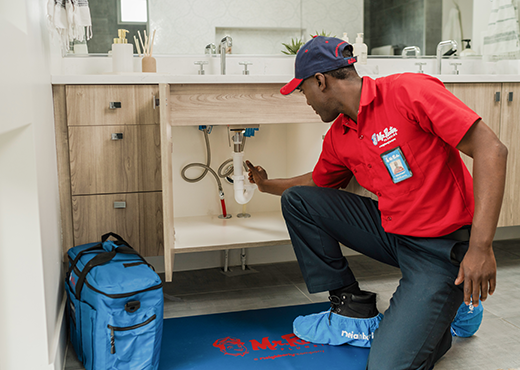
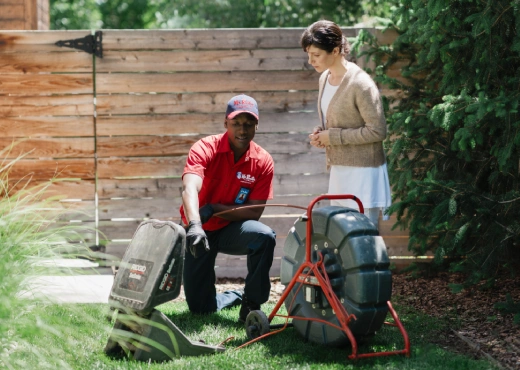
- Step One – We start by inspecting the damaged pipe. This often includes a video camera inspection to assess the extent of the damage. As long as the structural integrity of the pipe has not been compromised, we should be able to plan the pipe relining services.
- Step Two – Next, our team will use hydrojetting to clean any clogs, blockages, and debris from the pipe. Hydrojetting blasts pressurized water through the pipes. This process gives us a fresh surface with which to work. At this point, we can also measure the length of the pipe.
- Step Three – With the pipe clean, we can now insert the pipe liner. This will look like a large sleeve made of fiberglass or polyester. The lining tube has a resin compound that will harden over time. We will use hot water and UV radiation to speed up the hardening process. Once the lining has completely hardened, we will cut out pathways at any junctions and inspection points.
- Step Four – Finally, We will deflate and remove the bladder that held the liner in place. Our team performs a final examination, typically using video camera inspection again to ensure the liner is installed flawlessly.