Richmond is the Madison County seat, and the housing stock here ranges from early 1900s homes near downtown to newer construction out toward Waco. Older homes often still run galvanized steel supply lines that corrode from the inside out until they pinhole through. Newer builds lean on PEX and copper, which handle Kentucky's freeze-thaw winters better but aren't immune to a hard freeze snapping a fitting in an unheated crawl space.
Effective leak repairs start with understanding how your plumbing systems are laid out, not just where water happens to be showing up. A leak at the ceiling after an upstairs shower often traces back to a supply line several feet away, not directly overhead. We map the run before cutting anything open, which saves you from patching drywall in three rooms over one bad joint.
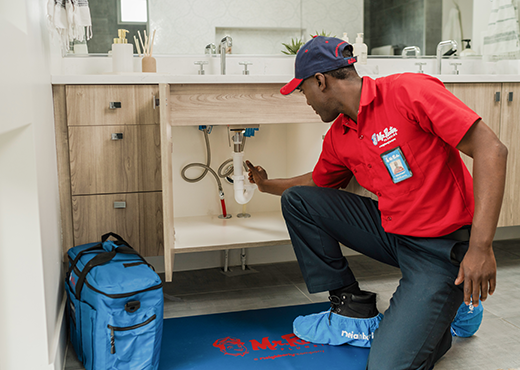
Homeowners tend to worry about the same three things once a pipe starts leaking: how much damage is already hidden, how long the repair takes, and whether the same spot fails again next year. We walk the affected area, check nearby fittings and shutoff valves, and explain what we find before any work starts. If corrosion shows up in one section, there's a decent chance it's already starting in the sections next to it.
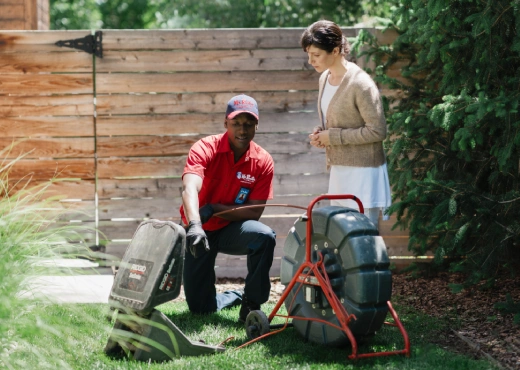
Pipe leaks don't always stay contained to a single fixture. A slab leak can travel along a slow crack for months before it surfaces, and a leak near a water heater connection can look like a tank failure when it's really a loose fitting. Comprehensive sewer line maintenance and regular checks on aging supply lines catch small problems early, before they turn into a flooded basement. The same logic applies to water heater services, where a leaking tank connection is often a quick fix if caught in time.
When a section of pipe is too far gone to patch, professional installation services matter as much as the repair itself. We match new sections to the existing material where that makes sense, or recommend an upgrade to PEX where copper keeps failing. Either way, the goal is a repair that outlasts the original pipe instead of putting you back on the phone with us in six months.
Kentucky winters aren't the harshest in the country, but a week of nights in the teens is enough to freeze an exposed line in a crawl space or garage. Frozen pipes crack from the inside as ice expands, and you won't spot the leak until the thaw. Wrapping vulnerable runs with pipe insulation before the first hard freeze beats dealing with a burst pipe in February.