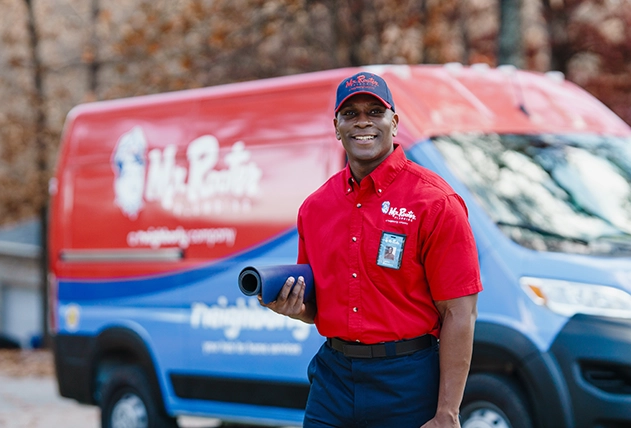
Professional gas line repair companies in Spokane use to find hidden leaks are electronic gas detectors, pressure tests, ultrasonic leak tools, and infrared gas imaging. Hidden leaks can form behind walls, under floors, or near gas appliances. These leaks can build up inside closed spaces.
Natural gas is mainly methane, and methane can displace oxygen in a tight area. That can create health risks and fire danger. Fast detection reduces risk and limits home damage. This guide explains the tools, how they work, and what happens after a leak is found.
Why Hidden Gas Leaks Need Accurate Detection
Hidden gas leaks require accurate detection, as gas can spread into living areas without clear warning. Smell is not a reliable test since odor can fade. Small leaks can grow with time due to loose fittings or pipe stress. The U.S. Department of Energy notes that even minor fuel losses raise risk and waste energy. Precise tools help repair teams find the leak point with fewer wall cuts.
1)Electronic Gas Detectors Used by Professionals
Electronic gas detectors are the main tool pros use because they sense small gas levels fast. Many models detect methane at low parts-per-million ranges. They provide an audible alarm and a digital reading. This helps confirm gas presence even when odor is weak. Crews scan appliance connectors, valves, and joint points first.
What Electronic Detectors Help Find
Electronic detectors can locate:
- Leaks near flexible connectors
- Faulty shutoff valves
- Loose threaded joints
- Leaks near meters
This reduces time spent guessing.
2)Pressure Testing to Confirm Line Integrity
Pressure testing confirms if a gas line holds pressure without loss. Technicians isolate the gas line and pressurize it to a set value. They track the gauge for a fixed period of time. If the pressure drops, a leak exists. Pressure tests are also used after repairs to confirm safety. Many fuel gas codes require pressure testing for new installs and major repairs.
Why Pressure Tests Matter
Pressure testing helps because it:
- Confirms leaks even when hidden
- Proves repair success
- Supports code compliance
This protects home safety.
3)Infrared Gas Imaging for Hidden Leak Areas
Infrared gas imaging helps detect leaks in hard-to-reach places. This method is also called optical gas imaging. It uses infrared sensors to visualize gas movement as a plume. It is used in many utility and industrial leak programs. It helps crews inspect larger areas faster without touching the line. This reduces time in unsafe areas.
4)Ultrasonic Leak Detection for Pressurized Lines
Ultrasonic leak detection identifies high-frequency sound created when gas escapes. The leak produces noise above the normal human hearing range. Ultrasonic tools detect that pattern. This tool is useful near mechanical rooms or noisy systems. It helps crews locate leaks even when ventilation spreads the gas.
5)Soap Solution as a Final Proof Step
Soap solution remains a key step because it confirms the exact leak point. After detectors identify the area, crews apply the solution to joints. Bubbles form where gas escapes. This is a low-cost method used for final proof. It is also used after tightening or replacing fittings.
Step by Step Process Experts Use to Find Hidden Gas Leaks
Professional teams use a clear process to reduce risk and avoid missed leaks.
Standard Leak Detection Workflow
Most teams follow this order:
- Ask about smell, symptoms, and appliance issues
- Shut off the gas if a hazard is present
- Scan with electronic gas detectors
- Confirm with pressure testing
- Use infrared or ultrasonic tools for hidden zones
- Pinpoint with soap solution
- Repair and run a final pressure test
This process reduces repeat repairs.
Signs Homeowners Notice Before a Leak Is Found
Hidden gas leaks often show indirect signs first.
Common warning signs include:
- Rotten egg smell near appliances
- Hissing noise near joints
- Pilot light that keeps going out
- Higher gas bill without more use
- Headaches or dizziness indoors
These signs should trigger inspection.
When to Call for Emergency Gas Leak Help
Emergency help is needed when odor is strong or symptoms appear. Gas leaks can ignite from a spark. Leave the area when safety is uncertain. Call professionals who offer emergency service for fast response.
Professional Gas Line Repair Options in Spokane
After detection, repairs depend on what the tools show. Some leaks need simple tightening. Others require line replacement or new fittings. Homeowners can review gas line repairs to understand common repair solutions. Full home plumbing support is also available through residential services.
Businesses with larger gas systems may need more complex detection and repair planning. For that, teams support commercial services and full commercial gas line repairs.
Contact Us for Gas Leak Detection and Repair
Modern detection tools help find hidden leaks fast and confirm safe repair. Accurate inspection reduces damage and lowers safety risk. Call us for expert gas leak detection and repair support.