

Over time, your older pipes can corrode, restrict water flow, and leak behind walls for months before the damage becomes obvious. By the time you notice discolored water at the tap or a sudden drop in water pressure, the problem is already widespread. A single pipe repair won't fix a system-wide failure. Your Mount Pleasant plumber from Mr. Rooter Plumbing of Greater Charleston has delivered whole-house repiping services since 2002, and we know exactly what failing pipe materials look like in homes.
Repiping Mount Pleasant, SC
Repiping Mount Pleasant, SC
Let Us Call You
Residential & Commercial Services



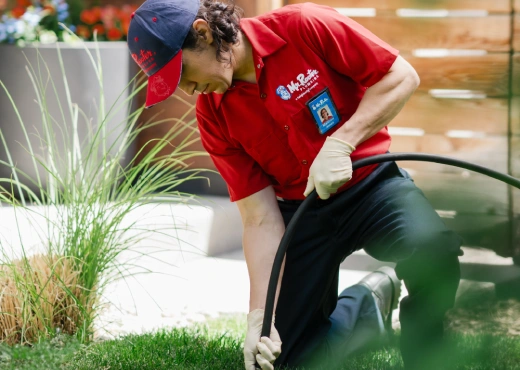

What's Actually Happening Inside Your Pipes
Galvanized steel pipes corrode from the inside out. The zinc coating that once protected the pipe oxidizes over decades, leaving bare steel exposed to water. Iron oxide builds up along the pipe walls, narrowing the interior diameter and releasing rust particles into your water supply. That's where discolored water comes from. It's not a water quality issue at the source; it's your pipe material breaking down and contaminating the line as it travels to your faucet.
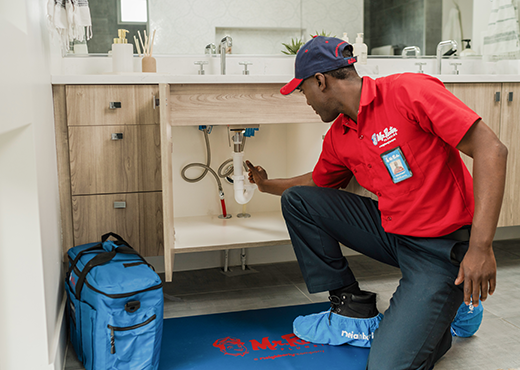
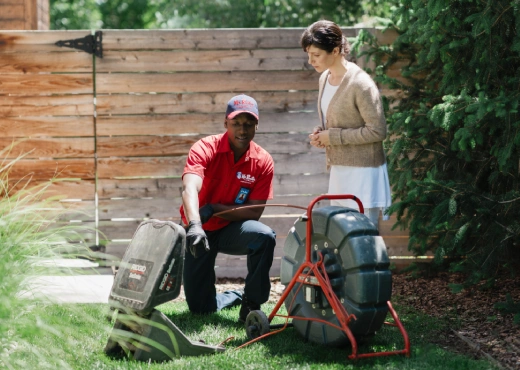
Your Charleston plumber at Mr. Rooter Plumbing of Greater Charleston starts with a pipe inspection before recommending any course of action. A camera goes into the line and shows exactly what's happening: mineral buildup, internal corrosion, sediment buildup, and active leak points. You see the same footage as the plumber. The recommendation comes from what the camera shows, not from guesswork.
Poly pipes, also called polybutylene, fail differently. The material degrades when it comes into contact with oxidants in the water supply, including chlorine. The pipe surface develops microfractures that aren't visible from the outside. These pipes were installed in homes built between the late 1970s and mid-1990s, and many Mount Pleasant properties from that era still have them in place. A professional inspection is the only reliable way to confirm whether your home has poly pipes and how far along the degradation has progressed.
Copper pipes are durable, but they're not immune to failure. Pinhole leaks develop in copper lines exposed to aggressive soil conditions or water with a low pH. In older homes, copper fittings and connectors corrode at the joints before the pipe body fails. If you're seeing water stains on drywall or ceiling surfaces without an obvious source, copper joint failures are a common cause in homes built before the 1980s.
If your plumbing keeps breaking down, no matter how many repairs you schedule, it's time to talk about a full repipe. Request an estimate online and get a straight answer from a licensed plumber who knows your home's system.
How Whole-House Repiping Works in Mount Pleasant
A whole-house repiping is a staged process, not a single-day job. The scope depends on your home's size, the material of the pipes being replaced, and how much of the system needs to be removed. Here's what the process looks like from start to finish.
The job begins with a full pipe inspection using camera equipment to map the existing system and identify every problem area. Leak detection runs alongside the camera work, so nothing gets missed before access holes are cut. The plumber documents the pipe layout, confirms the pipe material throughout the system, and determines whether the repipe covers supply lines, drain lines, or both.
PEX tubing is the most common replacement material for residential repiping in South Carolina today. PEX (Cross-linked Polyethylene) is flexible, rust-resistant, and handles the thermal expansion that comes with hot water lines better than rigid pipe. It also requires fewer fittings and connectors than copper, which reduces the number of potential leak points in the finished system. For drain line replacement, PVC remains the standard.
Once the new lines are roughed in, the system goes through pressure testing before any access holes are closed. System-wide testing confirms there are no leaks at any joint or connection point. After the test passes, the plumber completes the installation, restores water service, and walks you through what was replaced and why. Drywall repair for access holes is a separate scope of work and is not part of the plumbing service.
Partial repipes are available when only a section of the system has failed. If the camera shows that galvanized pipes are failing in the supply lines but the drain lines are in good condition, replacing only the supply side is a reasonable approach. The plumber will tell you exactly what the inspection shows and give you options based on the system's actual condition, not a one-size-fits-all recommendation.
Mr. Rooter Plumbing of Greater Charleston
Areas We Serve
- Adams Run
- Awendaw
- Charleston
- Charleston Afb
- Daniel Island
- Edisto Island
- Folly Beach
- Goose Creek
- Hanahan
- Hollywood
- Isle of Palms
- James Island
- Johns Island
- Kiawah Island
- Ladson
- Mc Clellanville
- Moncks Corner
- Mount Pleasant
- Nexton
- North Charleston
- Ravenel
- Sullivans Island
- Summerville
- Wadmalaw Island
- West Ashley