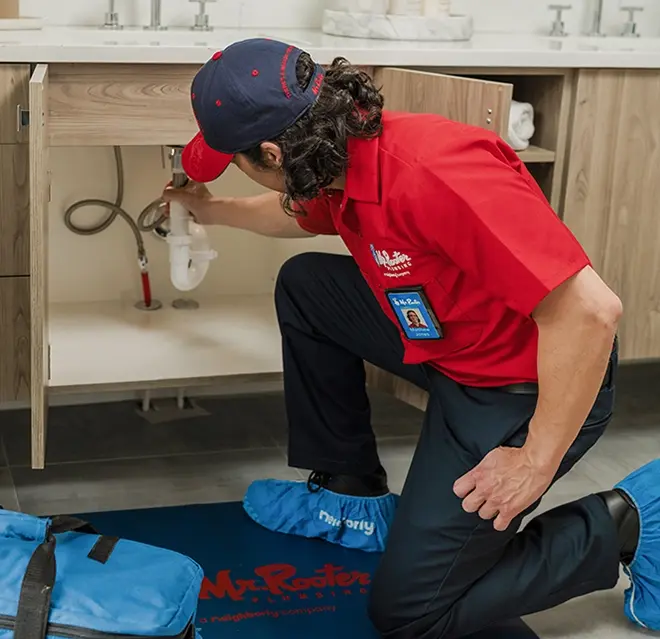
Charleston's coastal environment creates specific pipe repair challenges. Salt air accelerates corrosion on exposed metal components. The sandy, shifting soil that characterizes much of the Lowcountry stresses underground water lines and sewer lines over time.
Plumbing leaks rarely announce themselves with a burst. Most develop gradually, and the signs appear in places homeowners overlook until the damage is already done. Knowing what to watch for is the difference between a contained pipe repair and a full water damage process.
Water stains and ceiling discoloration are among the earliest visible indicators. Brown or yellow staining on ceilings or walls means water is seeping through from a pipe above. Drywall wicks moisture horizontally before it drips, so the stain you see is rarely directly above the source.
A sudden drop in water pressure at multiple fixtures simultaneously points to a supply line leak or a partially closed main water shut-off valve. A single fixture with weak flow is more likely a clogged aerator or failing cartridge, but a plumber should confirm either way.
An elevated water bill is one of the most reliable indicators of a hidden leak. Compare your current bill to the same month last year. A significant increase with no change in household usage means water is going somewhere it should not.
Damp spots on floors, water seeping through tile, or soft areas in hardwood away from fixtures or appliances suggest a slab leak or a drain line failure beneath the floor. Mold growth behind toilets, under sinks, or along baseboards in rooms that should stay dry indicates sustained moisture from a nearby slow leak. Mold begins to colonize within 24 to 48 hours of sustained exposure, so the presence of growth indicates the leak has been active for a while.
Foundation cracks appearing in your home's foundation or along interior walls near plumbing chases signal that water infiltration has been affecting the soil and structure beneath your home for an extended period. Sounds of running water inside the walls when every fixture is off confirm a leak in the pressurized supply line. Left alone, a slab leak erodes the soil beneath the foundation and causes structural damage that extends well beyond the plumbing repair itself.
Many homes in older neighborhoods across Charleston County carry galvanized steel supply lines that have been narrowing from the inside for decades. Our plumbers know what to look for in this market, and we bring that local knowledge to every leak detection call.
Do not wait on that one. If you recognize any of these signs in your Charleston, SC home, contact Mr. Rooter Plumbing of Greater Charleston. Plumbing leaks do not stabilize on their own, and the longer they run, the more they cost to repair.