

West Ashley's ranch homes and split-levels from the 1960s and 70s often still run on galvanized steel or polybutylene pipes that weren't built to last this long. As your West Ashley plumber, we replace failing plumbing with copper, PEX, or schedule 40 PVC, matched to your home's layout and local codes. Mr. Rooter Plumbing of Greater Charleston has repiped homes here since 2002. Seeing low pressure, green stains, or climbing water bills? The pipes are usually why. Call today!
Whole House Repiping West Ashley, SC
Copper, PEX, and PVC Repiping Built for West Ashley's Older Homes and Low-Lying Lots
Whole House Repiping West Ashley, SC
Copper, PEX, and PVC Repiping Built for West Ashley's Older Homes and Low-Lying Lots
Let Us Call You
Residential & Commercial Services



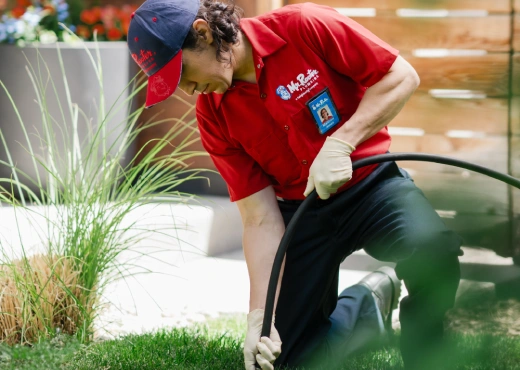

The Process for Whole House Repiping: West Ashley, SC
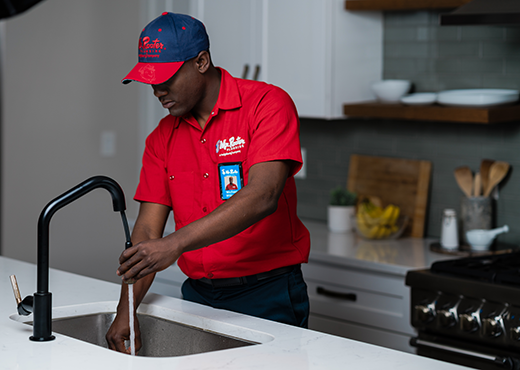
Before tearing into any walls, we perform a thorough whole-system evaluation. This ensures we know exactly what we're dealing with, and aren't relying on guesswork. A Charleston plumber inspects water pressure across multiple fixtures, checks for visible corrosion at joint connections, and pressure-tests your existing supply lines. Because galvanized steel deteriorates from the inside out, an exterior pipe that looks completely sound can actually be worn down to a pinhole by decades of mineral buildup and internal zinc degradation. Older materials like polybutylene and lead automatically warrant a total system replacement—spot fixes simply cannot mitigate their inherent risk of sudden failure.
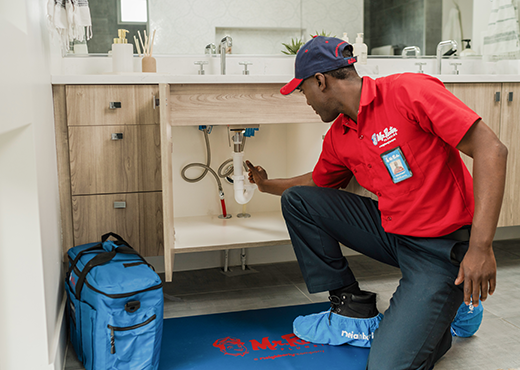
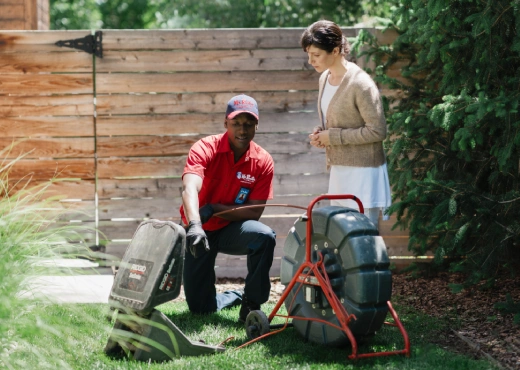
Once we know what we're dealing with, we help you select the right replacement material: copper, PEX (cross-linked polyethylene), or PVC. Choosing the best option depends on your specific floor plan, household water quality, and project budget. For homes where full wall access isn't practical, trenchless pipe repair and pipe bursting use hydraulic equipment to pull new piping through the old line's path without opening every wall. Traditional pipe replacement still makes sense for some jobs, especially where drywall repair is already planned. We also test shutoff valves and expansion tanks while the walls are open, since replacing those later means cutting into finished drywall twice. Either way, we pull permits through the local building department, run a final system test, and handle cleanup so you're not left with a demo site.
Why West Ashley Homeowners Choose Mr. Rooter Plumbing
We've been repiping homes across West Ashley since 2002, long enough to know which materials hold up through hurricane season and which fail early on low-lying lots prone to standing water. That local knowledge shapes every whole-house repiping job we quote, from homes near Charleston's western edge to properties farther out toward Johns Island.
Our licensed, certified plumbers back every repipe with the Done Right Promise®, and we're upfront about pricing before we open a wall. If water damage from a failed pipe already happened, we'll document the repiping process for your insurance claims paperwork too. Beyond a comprehensive repipe, we handle water heater repair and leak repair, so one call covers most of what an aging plumbing system throws at you. Contact Mr. Rooter Plumbing of Greater Charleston today to book your plumbing services.
Mr. Rooter Plumbing of Greater Charleston
Areas We Serve
- Adams Run
- Awendaw
- Charleston
- Charleston Afb
- Daniel Island
- Edisto Island
- Folly Beach
- Goose Creek
- Hanahan
- Hollywood
- Isle of Palms
- James Island
- Johns Island
- Kiawah Island
- Ladson
- Mc Clellanville
- Moncks Corner
- Mount Pleasant
- Nexton
- North Charleston
- Ravenel
- Sullivans Island
- Summerville
- Wadmalaw Island
- West Ashley