Skip to Main Content Skip to Footer Content
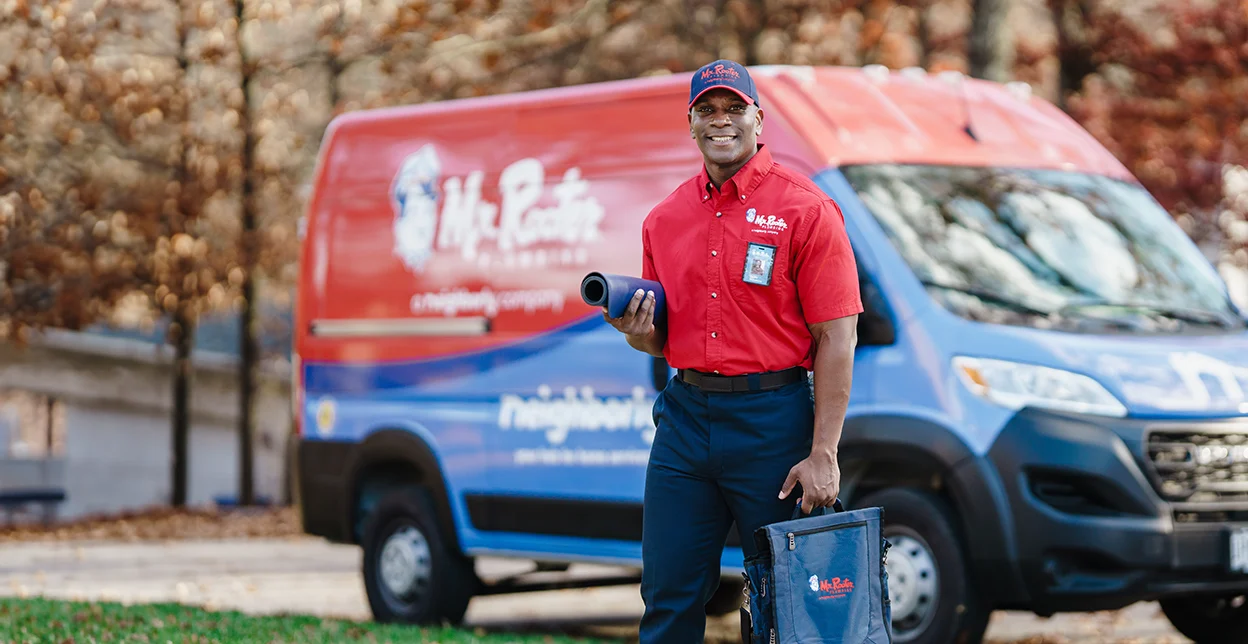
Mr. Rooter technician carrying a tool bag and standing beside a branded van.

Water Leak Detection Charleston, SC

A jump in your water bill or the sound of running water inside a wall usually points to one thing: a hidden leak. Mr. Rooter Plumbing of Greater Charleston tracks down these leaks with acoustic listening tools, thermal imaging, and video inspection, all without tearing into your slab or drywall. When something's wrong, your Charleston plumber is ready to find the source and stop the damage before it spreads.

Let Us Call You

By checking this box, I agree to opt in to receive automated SMS and/or MMS messages from Mr. Rooter Plumbing, a Neighborly company, and its franchisees to the provided mobile number(s). Message & data rates may apply. Message frequency varies. View Terms and Privacy Policy. Reply STOP to opt out of future messages. Reply HELP for help.

By entering your email address, you agree to receive emails about services, updates or promotions, and you agree to the Terms and Privacy Policy. You may unsubscribe at any time.

  • Acoustic listening equipment picks up the sound a leak makes as water escapes under pressure. We use it most often on slab leaks, since the sound travels through concrete and pipe in a pattern our team has learned to read. Instead of cutting open a wall or breaking up your floor, we move the equipment across the suspected area until the signal narrows to a spot. That spot becomes the target for the repair. Acoustic detection works best on pressurized lines, like the copper or PEX supply pipe running under a slab. It's less reliable on drain lines, where water only moves when a fixture runs, so we pair it with other methods when a leak seems to be on the waste side. Homes built before the 1980s in the Charleston area often have older galvanized or cast iron pipe, and acoustic detection helps us pinpoint a failure point in that pipe without guessing. Background noise from traffic or an HVAC system often makes a reading harder to trust, so we usually ask for a quiet window in the house before we start listening, especially in a busy household with kids or pets moving through the space.

  • A thermal camera reads the surface temperature of your walls, floors, and ceilings, and a leak almost always shows up as a temperature difference the naked eye misses. Cold water lines create a cooler patch. Hot water lines create a warmer one. Either will reveal moisture trapped behind drywall long before a stain appears. This method locates leaks inside walls or under flooring without any demolition. It also confirms what acoustic detection already suggested, giving us two independent readings pointing to the same spot before we open anything up. In older Charleston homes with plaster walls, thermal imaging is often the safer first step, since it doesn't require contact with a surface that's difficult to patch. Humidity affects the reading too, so we usually pair a thermal pass with acoustic listening on days when the air outside is heavy, rather than relying on temperature alone to call a spot confirmed. On a slab, we sweep the whole floor in a grid pattern instead of guessing at a single room, since a warm patch sometimes shows up several feet from where the moisture surfaces upstairs.

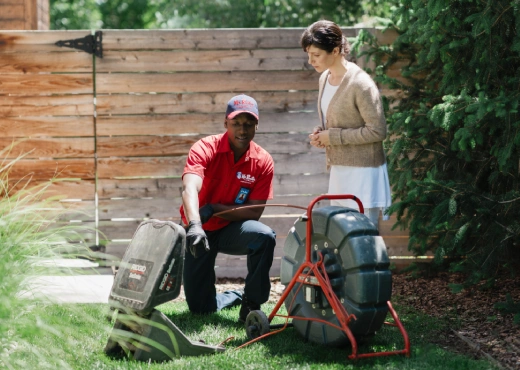
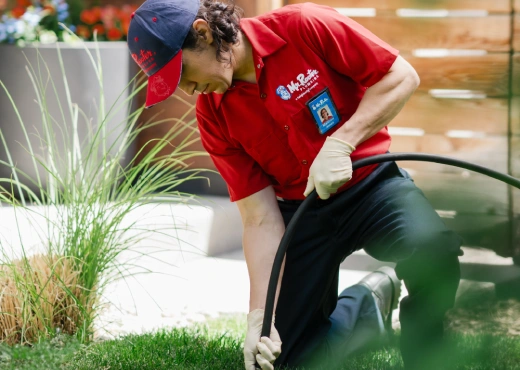
  • A small camera sent through the pipe shows us exactly what's happening inside. The video camera inspection method finds cracked pipe, root intrusion, and the corrosion that leads to a slow leak long before it turns into a burst pipe. The camera includes a locator, so once we spot the problem area on screen, we mark its exact position from above ground. Video inspection works well on sewer and drain lines, where acoustic tools and thermal cameras are less effective. It also shows you the actual condition of your pipe, which helps explain why a section needs attention rather than the whole line. In an older home, this footage often settles a question homeowners ask right away: is this one bad joint, or a line that's due for a full replacement? Seeing the pipe on screen answers that faster than any guess would. It's also useful after a repair, since we run the camera back through the line to confirm the fix holds before we close up any access point we opened.

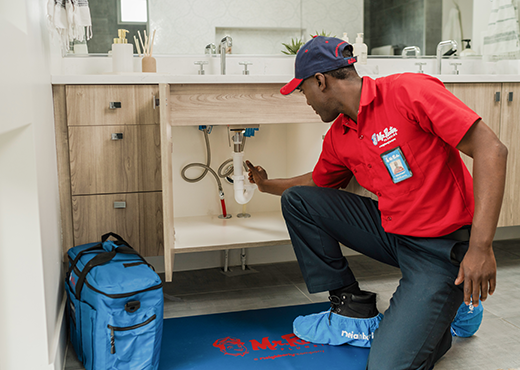
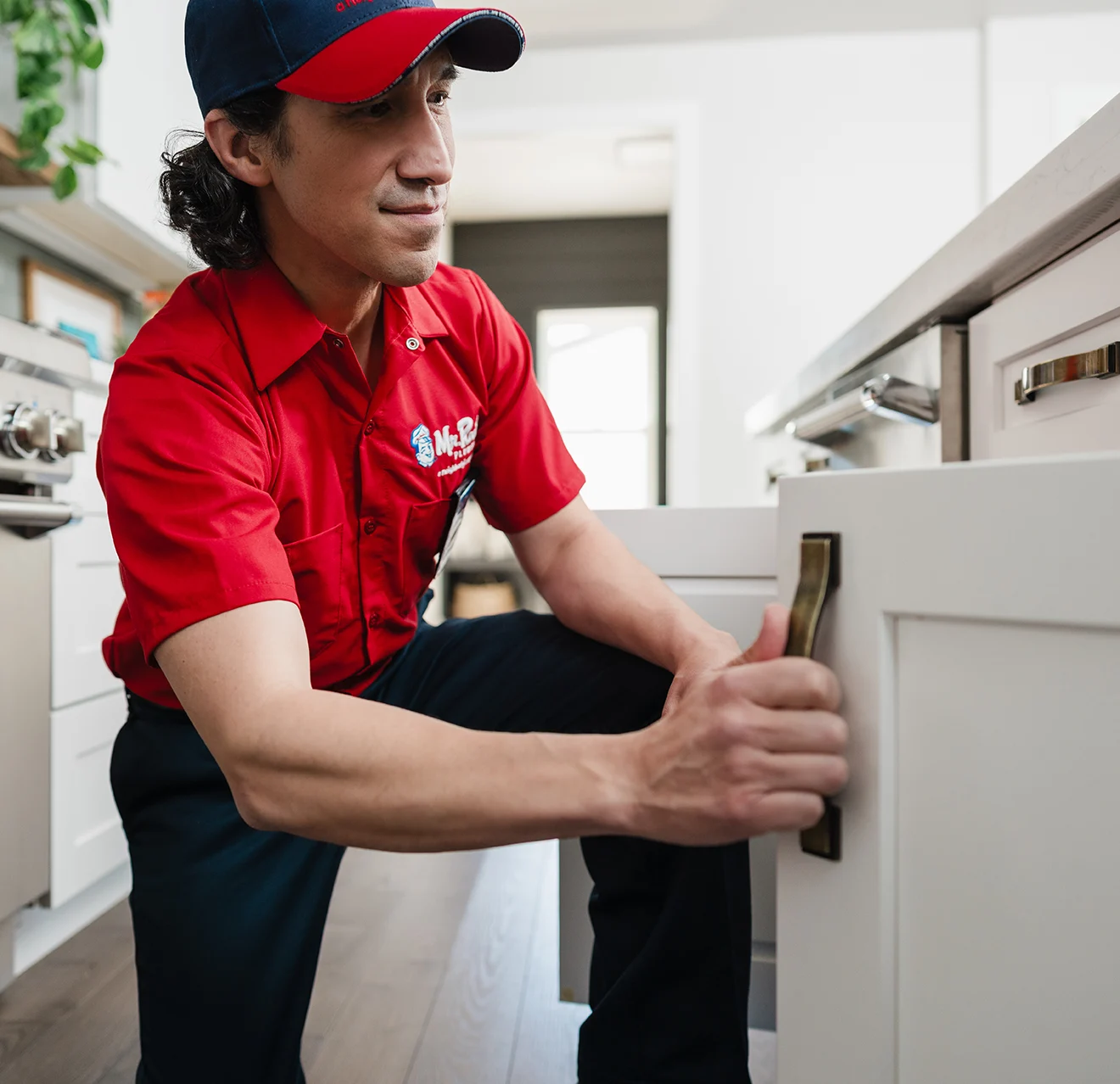
Mr. Rooter technician opening lower cabinet doors.

Techniques and Tools for Leak Detection Charleston, SC Plumbers Use to Find a Slab Leak

The most challenging hidden leak to find is one that’s in the slab. House slab leaks happen when the pipe running underneath your home's concrete foundation develops a crack or a joint failure. They're some of the hardest leaks to catch early, because the concrete hides everything until the damage works its way to the surface. Charleston sits on soil that shifts more than most people realize, and that movement puts steady stress on pipe joints buried under a slab.

A few signs tend to show up before a slab leak turns into a bigger problem. Watch for warm or damp spots on your flooring, even in rooms far from the kitchen or bathroom. Listen for running water when every faucet in the house is off. Check your water bills each month, since a spike with no obvious explanation is one of the clearest indicators of a leak somewhere in the system. Musty odors, especially in a room that doesn't get much airflow, often point to moisture building up under the flooring. Mold growth on baseboards or lower drywall is a later-stage sign, and by that point the leak has usually been running for weeks.

Older homes across the Charleston area add a second layer to the problem. A lot of the housing stock from the 1960s and 70s was built with galvanized steel supply lines, and that material corrodes from the inside out. By the time a leak shows up, the surrounding pipe is often close to failing somewhere else too. That's part of why we inspect the full run of pipe once we've found one leak, rather than patching a single spot and calling it done.

Once we locate the leak, the repair itself doesn't require excavating your yard or breaking up your entire slab. We open a small access point directly above the pipe cracks or the failed joint, complete the repair, and restore the area to close to its original condition. In many cases, that means a patch of concrete or flooring roughly the size of the damage itself, not a full demolition. Rerouting the line above the slab is sometimes the better option, particularly on older galvanized pipe that's likely to fail again elsewhere within a year or two. We'll walk you through which approach fits your situation once we know what we're dealing with.

Plumbing leaks left unaddressed under a slab don't stay contained. Water finds the path of least resistance, and that often means it travels along the top of the slab before surfacing somewhere unexpected, like a closet on the far side of the house or under a cabinet nowhere near a water line. Catching the problem with acoustic detection, thermal imaging, or a video inspection before that happens saves you from a repair that's bigger, messier, and more expensive than it needed to be. It also protects the parts of your home a slab leak damages first: subflooring, baseboards, and the drywall closest to the ground.

A lot of homeowners ask whether a slow leak is worth calling someone about right away or whether it will hold until a more convenient week. The honest answer depends on where the water is going. A leak that's still contained under the slab with no visible moisture is easier and cheaper to fix than one that's already reached the framing. Once water tracks into wood framing or insulation, the repair stops being a plumbing job alone and starts pulling in flooring, drywall, and sometimes mold remediation. That's the real cost of waiting, and it's rarely the pipe repair itself that gets expensive. It's everything the water touched on its way to the surface.

Cost factors for a slab leak repair come down to a few things: how deep the pipe sits, the pipe material, and whether one section needs a patch or the whole run needs rerouting above the slab. A single joint failure on copper is usually the simplest fix. A galvanized line that's failed once is more likely to fail again elsewhere within a year or two, which is why we're upfront when rerouting makes more long-term sense than repeated spot repairs. We'll lay out both options first.
Why Charleston Homeowners Call Mr. Rooter Plumbing First

Mr. Rooter Plumbing of Greater Charleston has served this area since 2002, and leak detection is one of the calls we get most often, especially after heavy rain or a sudden spike in a water bill. Every plumber on our team works under the Done Right Promise®, so if something about the repair isn't right, we come back and make it right. We quote flat-rate, upfront pricing before any work begins, so you know the cost of locating and repairing a leak before we start.

Our team is licensed and insured, and we carry the same acoustic, thermal, and video inspection equipment used by leak detection specialists across the industry, so you're not paying for a diagnosis by guesswork. We also handle the pipe repairs and drain cleaning that many slab leak calls turn into once the source of the leak is confirmed, along with re-piping and trenchless repair when a line needs more than a patch. Whether the leak is under a foundation in West Ashley or behind a wall in Mount Pleasant, we bring the same equipment and process to every call, and explain what we find in plain terms.

Why Charleston Homeowners Call Mr. Rooter Plumbing First
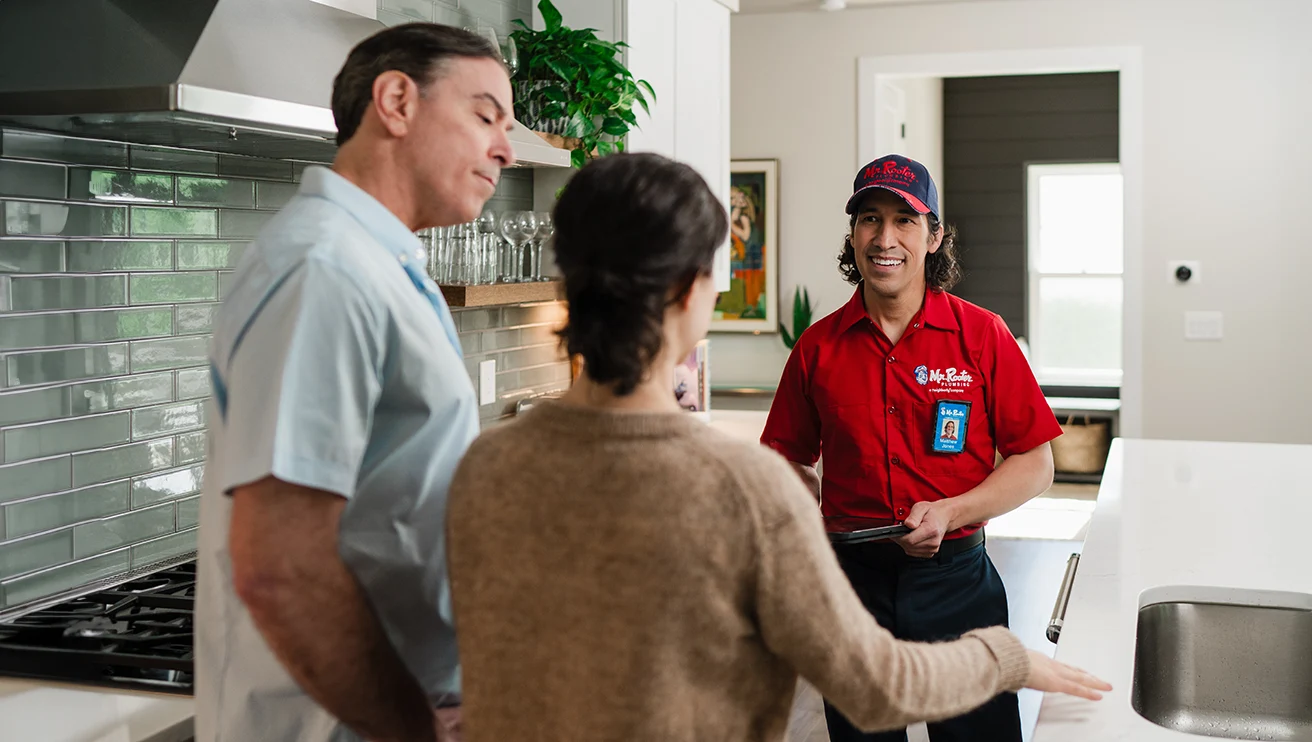
Mr. Rooter technician speaking with two customers in their kitchen.
Service You Can Trust!

Let us know how we can help you today.

Services We Provide

Frequently Asked Questions About Water Leak Detection in Charleston, South Carolina

  • A water bill that jumps for no clear reason is usually the first clue. After that, listen for running water when every fixture in the house is off, and check for warm or damp spots on your flooring. Mold growth along baseboards or a musty smell in a room that doesn't get much airflow tends to show up later, once the leak has been active for a while. Discolored drywall near the floor or a section of flooring that feels softer than the rest is another sign worth checking. If you notice more than one of these at once, it's worth scheduling an inspection before the damage spreads further into the subfloor or framing.

Service You Can Trust!

Let us know how we can help you today.

Let Us Call You

By checking this box, I agree to opt in to receive automated SMS and/or MMS messages from Mr. Rooter Plumbing, a Neighborly company and its franchisees to the provided mobile number(s). Message & data rates may apply. Message frequency varies. View Terms and Privacy Policy. Reply STOP to opt out of future messages. Reply HELP for help.

By entering your email address, you agree to receive emails about services, updates or promotions, and you agree to the Terms and Privacy Policy. You may unsubscribe at any time.