Preventing clogged drains is essential to keep your plumbing system running smoothly. Here are some practical steps you can take to avoid clogs:
- Use Drain Screens: Install drain screens or strainers in sinks, tubs, and showers to catch debris like hair, soap scum, and food particles before they enter the drain.
- Dispose of Grease Properly: Never pour grease or cooking oil down the drain. Instead, let it cool and then dispose of it in the trash or a designated grease disposal container.
- Avoid Putting Solid Items Down Drains: Refrain from flushing items like wipes, dental floss, cotton balls, and paper towels down the toilet. These can easily cause clogs.
- Regularly Clean Drains: Periodically clean your drains using natural methods or enzymatic drain cleaners to prevent the buildup of residue and debris.
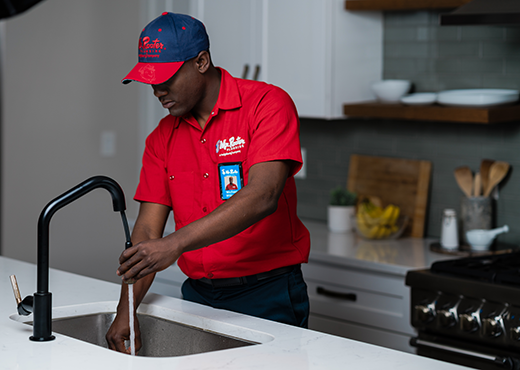
- Flush Hot Water: Run hot water through your kitchen sink after each use to help melt and flush away grease and soap buildup.
- Cold Water for Garbage Disposals: When using the garbage disposal, run cold water to help solidify grease and prevent it from coating the pipes.
- Dispose of Food Scraps Properly: Scrape food scraps into the trash or a compost bin rather than rinsing them down the kitchen sink.
- Regular Maintenance: Schedule routine plumbing inspections and maintenance by a professional plumber to catch potential issues before they become major problems.
- Use Enzyme-Based Cleaners: Consider using enzyme-based drain cleaners periodically to break down organic matter in the pipes.
- Be Mindful of What You Flush: Only flush human waste and toilet paper down the toilet. Items like hygiene products, diapers, and wipes should never be flushed.
- Tree Root Prevention: If you have trees near your sewer lines, consider installing root barriers or regular root treatments to prevent root intrusion.
- Install a Water Softener: In areas with hard water, consider installing a water softener to reduce mineral buildup in pipes and appliances.
- Insulate Exposed Pipes: In cold climates, insulate exposed pipes to prevent freezing and potential pipe bursts during winter.
- Outdoor Plumbing: Disconnect and drain outdoor hoses during cold weather, and shut off outdoor faucets to prevent freezing and damage.
By adopting these preventive measures, you can significantly reduce the risk of clogged drains and enjoy a more trouble-free plumbing system.
For clogged drains or other plumbing issues, request an estimate with Mr. Rooter Plumbing of Sarasota. We're here to offer reliable solutions and keep your plumbing running smoothly.