Every drain in your home serves a crucial function in maintaining proper plumbing. Fortunately, Mr. Rooter Plumbing of Albuquerque has extensive knowledge of all the issues that can impact your plumbing's performance and condition. Your drains can develop partial or complete clogs over time for a wide variety of reasons. Because of the vast array of potential causes, consulting a plumbing professional is essential to determine the specific issue and the best plumbing solution. To help you understand your drains and their clogging potential better, we've outlined different types of drains in your home. Furthermore, we've explained the common causes of their clogs, ranging from hair and soap buildup in bathroom sinks to oil, grease, and food particles collecting in kitchen drains. With our impressive expertise and years of hands-on experience, we can ensure your drains remain clear and efficient:
Bathroom Drains
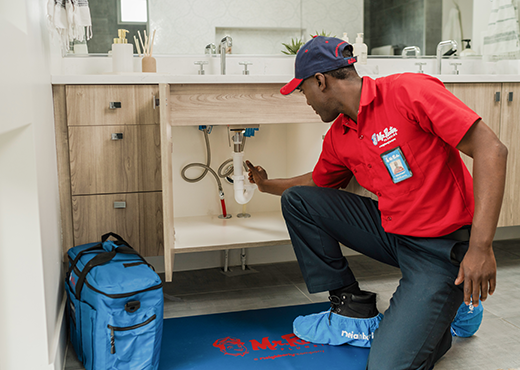
Typical causes of bathroom drain clogs are toothpaste, soap, and hair collecting inside the pipes for sinks, showers, and other fixtures. To prevent hair from clogging your shower drain, we recommend placing basic drain covers over the drain openings to catch loose strands. Additionally, running hot water can help prevent discarded toothpaste from sticking and drying on your pipe interiors while brushing your teeth.
Kitchen Drains
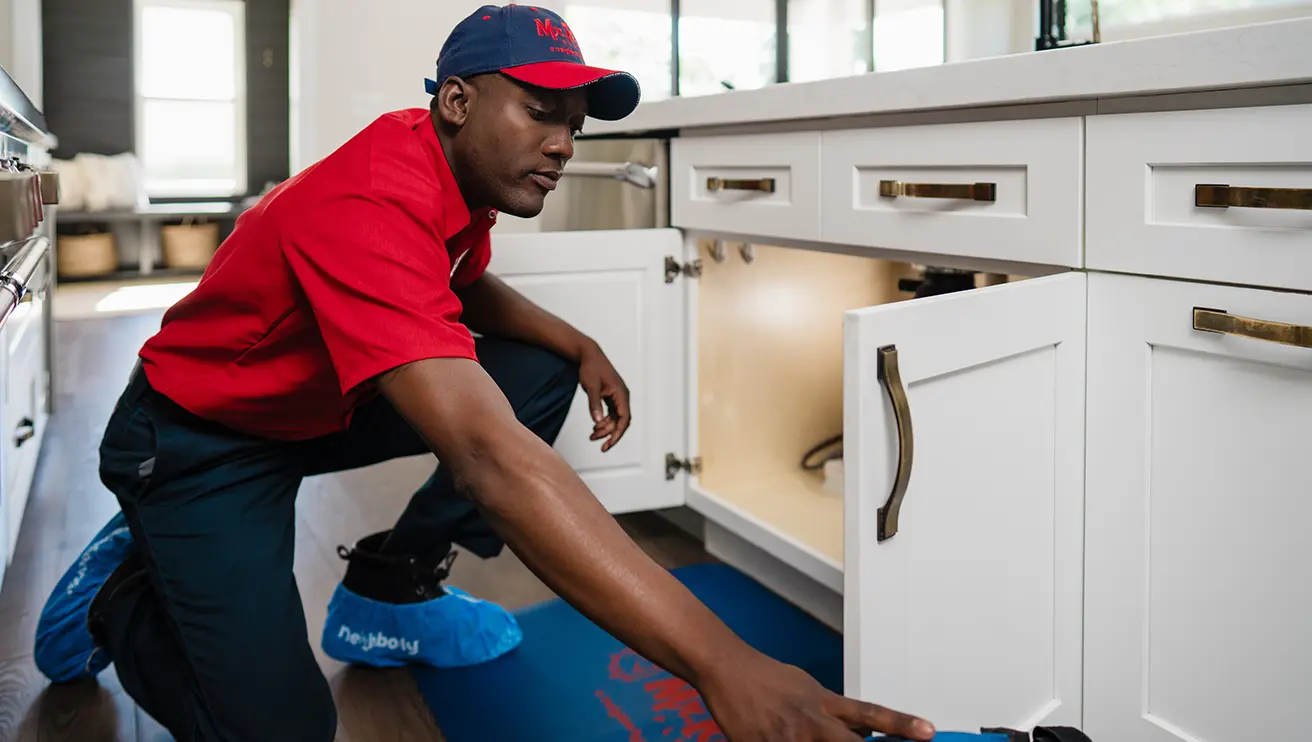
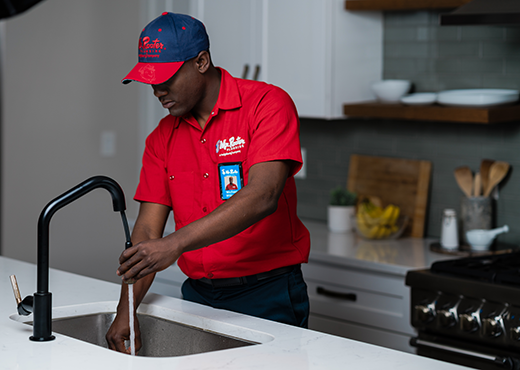
Food particles, grease, and oil are common causes of clogged kitchen drains. During kitchen cleanup after preparing or eating a meal, these substances often end up washing down your drain and collecting. Oil and grease are particularly problematic because they stick to the pipe walls and solidify, building up into partial or complete blockages. Even with garbage disposal, it's important not to let certain items wash down your kitchen drain to reduce your chance of developing a clog, such as fibrous vegetables, meat, and bones.
Floor Drains
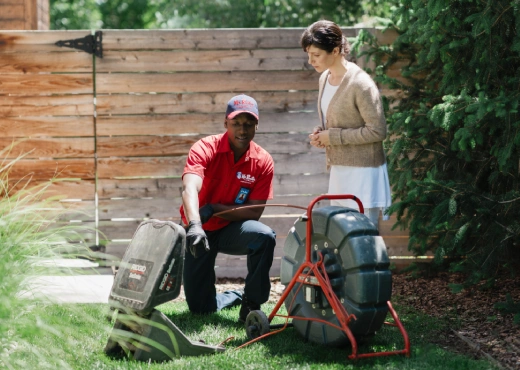
Floor drains in your home are often found in laundry rooms, basements, and garages, and they can easily get blocked by dust, dirt, and leaves. Blockages from materials like these can cause damage to your floors. Even though these drains aren't usually in plain view, keeping them clean and clear regularly is essential to reduce the likelihood of clogs.