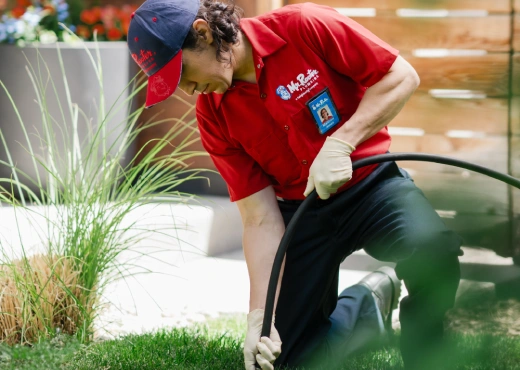
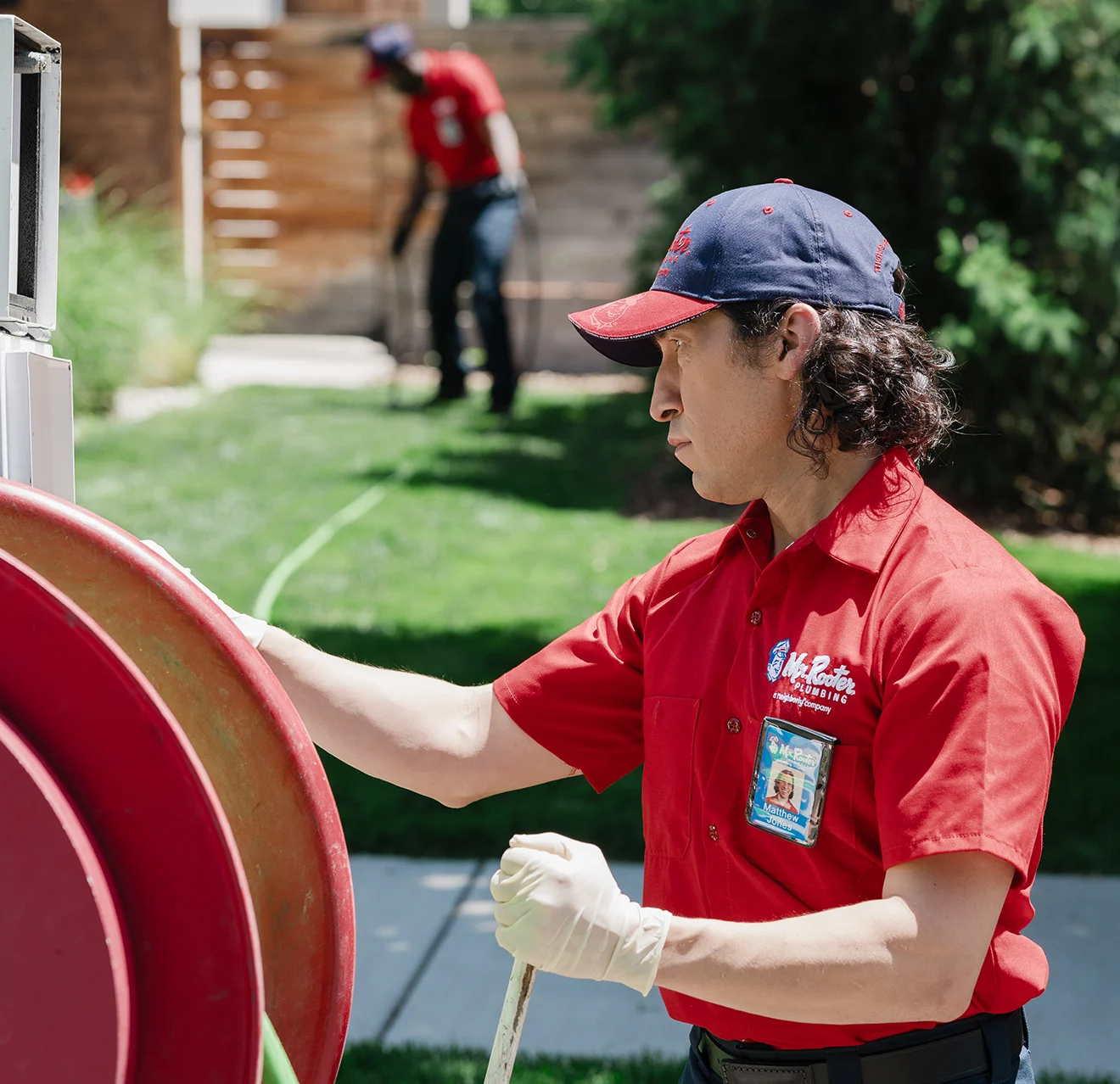
Cable machines, often called a drain snake or auger, bore a hole through a clog and call it done. Hydro jetting scours the entire pipe wall, so grease buildup, fats, oils, and greases from kitchen drains, and hard-water scale don't just get punched through. They get washed out. That distinction matters most in Rock Hill neighborhoods with cast iron sewer lines or galvanized pipes installed before the 1970s, where scale buildup narrows the pipe's interior more each year. Left alone, that narrowing can lead to recurring clogs, slow drains, and eventually a full sewer backup.
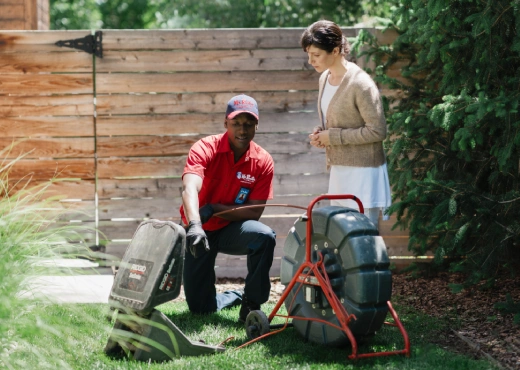
Root intrusion is another major driver of clogging issues around Rock Hill and York, South Carolina. Mature trees send root tendrils toward any moisture they can find, and a hairline crack in an old sewer main line is an easy target. Our inspection-led approach means we run a sewer camera inspection before jetting so we know the pipe material, where any damage is, and whether the underground piping can handle full pressure. We follow up jetting with hydrostatic pressure testing on lines that showed damage, confirming the repair holds before we call the job finished.
Hydro jetting isn't right for every situation. It targets drain and sewer lines, not the pressurized supply lines that bring fresh water into the house, and we don't recommend it on septic lines without an assessment first, since full pressure can disturb a septic tank's drain field. Unlike chemical drain cleaners that corrode pipe walls over time, our water jetting relies on pressure alone. No chemical cleaners. Just a cleared main line and a camera scope to prove it.