Your home has a few different types of drains. Each serves a different purpose and must be dealt with differently. When dealing with a clogged drain, it is helpful to understand the difference between them. It can often help you understand the best way to get your sink, shower, or floor drain flowing again. The three types of residential drains include:
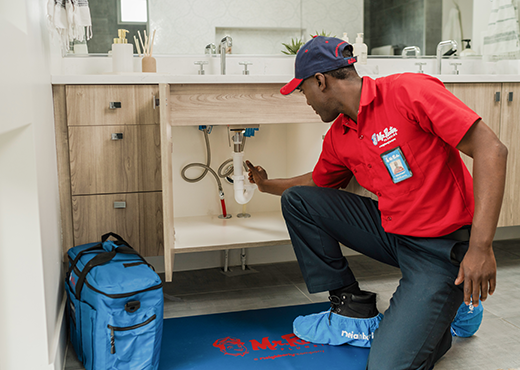
- Bathroom Drains – Bathrooms have three types of drains alone: toilets, sinks, and showers/bathtubs. Hair, soap, toothpaste, and all other sorts of debris can easily clog these drains. Running hot water after you brush your teeth can prevent toothpaste from solidifying within your pipes. On the other hand, a drain cover is the best way to prevent hair from clogging your shower’s drain.
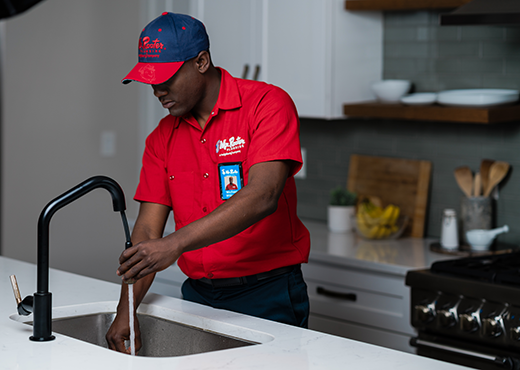
- Kitchen Drains – Your kitchen sink’s drain disposes of all sorts of food, oil, and filth. So, it’s very susceptible to clogs. Professional plumbers recommend that you never put oil or grease into your kitchen sink. Even if you have a garbage disposal, you should dispose of fibrous foods, like meat or bones, in the trash because it is very likely to clog your garbage disposal drain.
- Floor Drains: Floor drains are common in basements, garages, and other utility areas. As water drains down them, it carries with it all the dirt and debris on the ground. When these drains are clogged, water begins to flood the area. Since this can lead to water damage, clogged floor drains are especially urgent.