Mr. Rooter Plumbing® outlines the essentials of sewer line spot repair:
|
Some sewer problems show up in dramatic fashion — a sudden backup, a strong odor, or a puddle forming exactly where it shouldn’t. But most of the time, the early warnings are subtle, from a drain that empties slower than usual to a faint gurgle in the sink.
These small clues often point to damage in a specific part of the sewer line, but not the entire system.
Sewer line spot repair is a targeted service that restores flow quickly and with far less disruption than homeowners expect. In this article, we’ll explore how it works, what causes localized pipe damage, and how professionals determine the most effective long-term fix.
Article contents
- What Is Sewer Line Spot Repair?
- What Causes Localized Sewer Line Damage
- How Service Professionals Diagnose Sewer Line Damage
- When Spot Repair Works—and When It Doesn’t
- Benefits and Limitations of Sewer Line Spot Repair
- Sewer Line Spot Repair Cost Factors
- Schedule a Sewer Line Evaluation with Your Local Mr. Rooter Plumbing® Service Professional
- FAQs about Sewer Line Spot Repair
What Is Sewer Line Spot Repair?
Sewer line spot repair is a targeted method of sewer pipe repair that addresses a specific damaged section while leaving the rest of the line intact.
Spot repair is ideal for localized cracks, small breaks, or minor root intrusions. Because terms like relining and replacement come up in the same conversations, it helps to see how each repair type fits into the bigger picture.
Spot repair vs. pipe relining vs. full replacement
Before we explore what causes localized damage, here’s how these common solutions compare.
| Method | What It Does | Best For | Invasiveness |
| Spot repair | Fixes a small damaged section | Localized cracks or root intrusion | Minimal |
| Pipe relining | Creates a new lining inside the pipe | Moderate damage over longer sections | Trenchless |
| Full replacement | Installs new piping | Severe deterioration or collapse | Most invasive |
Spot repair shines when damage hasn’t spread throughout the sewer line. For situations involving longer or more widespread damage, pipe relining services may offer trenchless sewer line repair, a cost-effective alternative to full sewer replacement.
With the main repair methods in mind, the next step is understanding what typically causes damage in a single section of a sewer line. Localized issues often look dramatic from above ground, but below the surface, the problem may be surprisingly contained.
What Causes Localized Sewer Line Damage
Localized sewer line damage typically results from five primary causes, even when the surrounding pipe remains healthy:
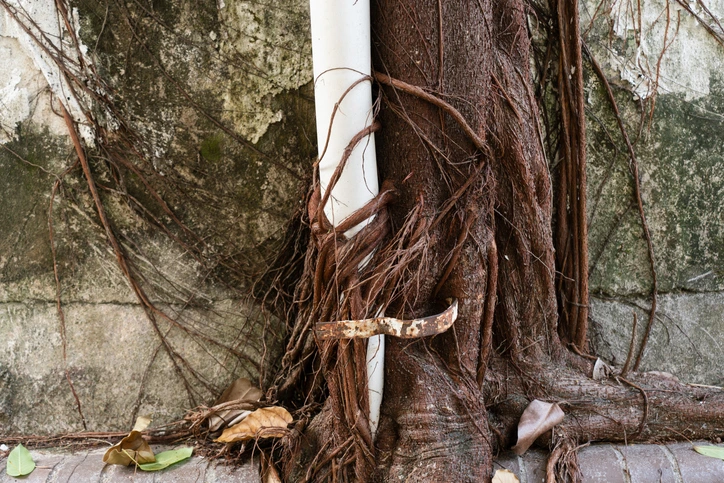
- Tree root intrusion: Roots enter through small openings and expand, cracking pipes and blocking flow.
- Corrosion: Metal pipes develop weak spots where water chemistry gradually erodes the pipe wall.
- Soil movement: Settling, shifting, or erosion around joints causes misalignment or stress fractures.
- Pipe misalignment: Gradual shifting creates gaps where joints no longer meet properly.
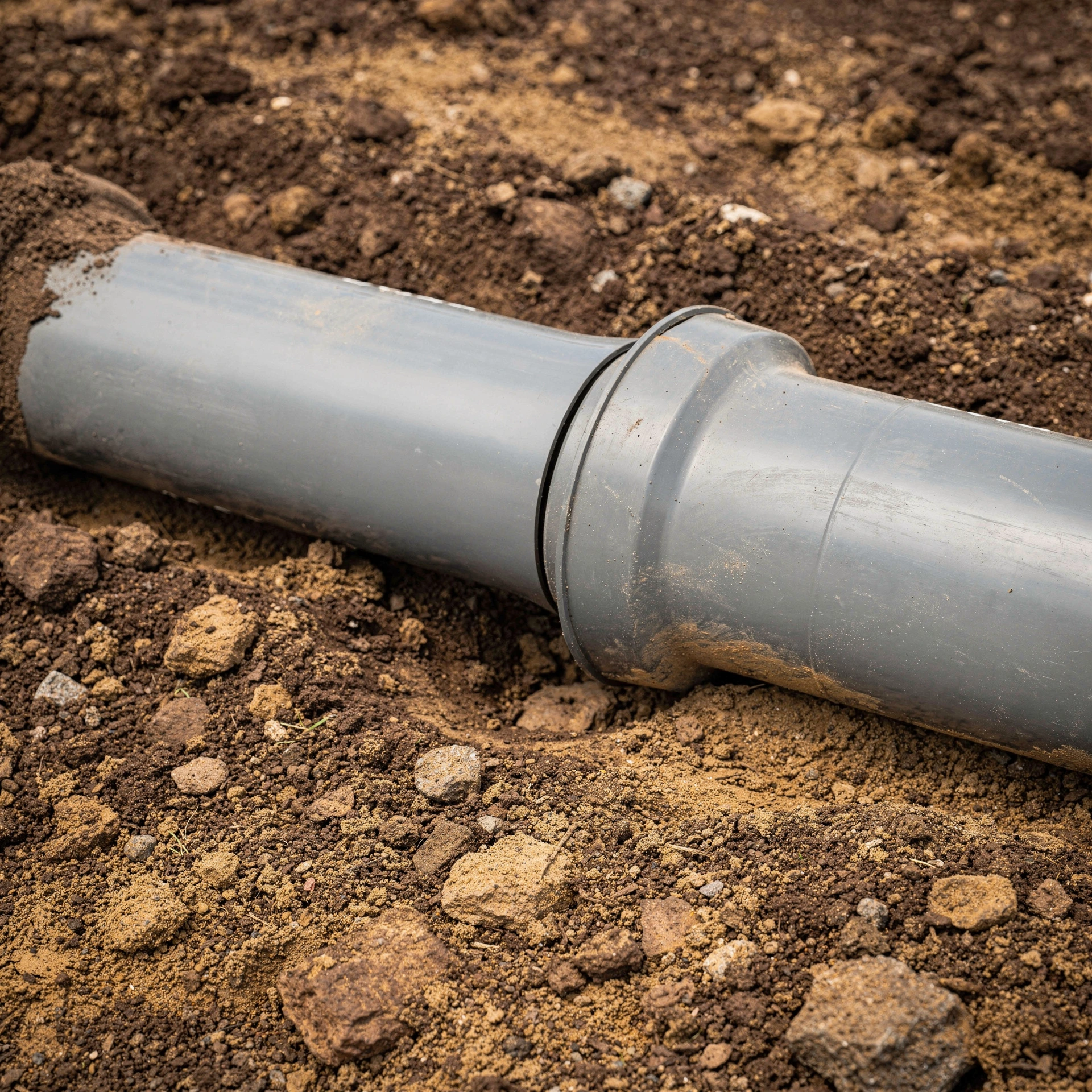
- External pressure: Construction equipment, excavation, or heavy surface loads can crack or collapse pipe sections.
Your home may show widespread symptoms, such as slow drains and recurring odors, but the underlying cause may still be a single compromised segment. Because different causes can look similar at the surface, diagnostics are essential.
How Service Professionals Diagnose Sewer Line Damage
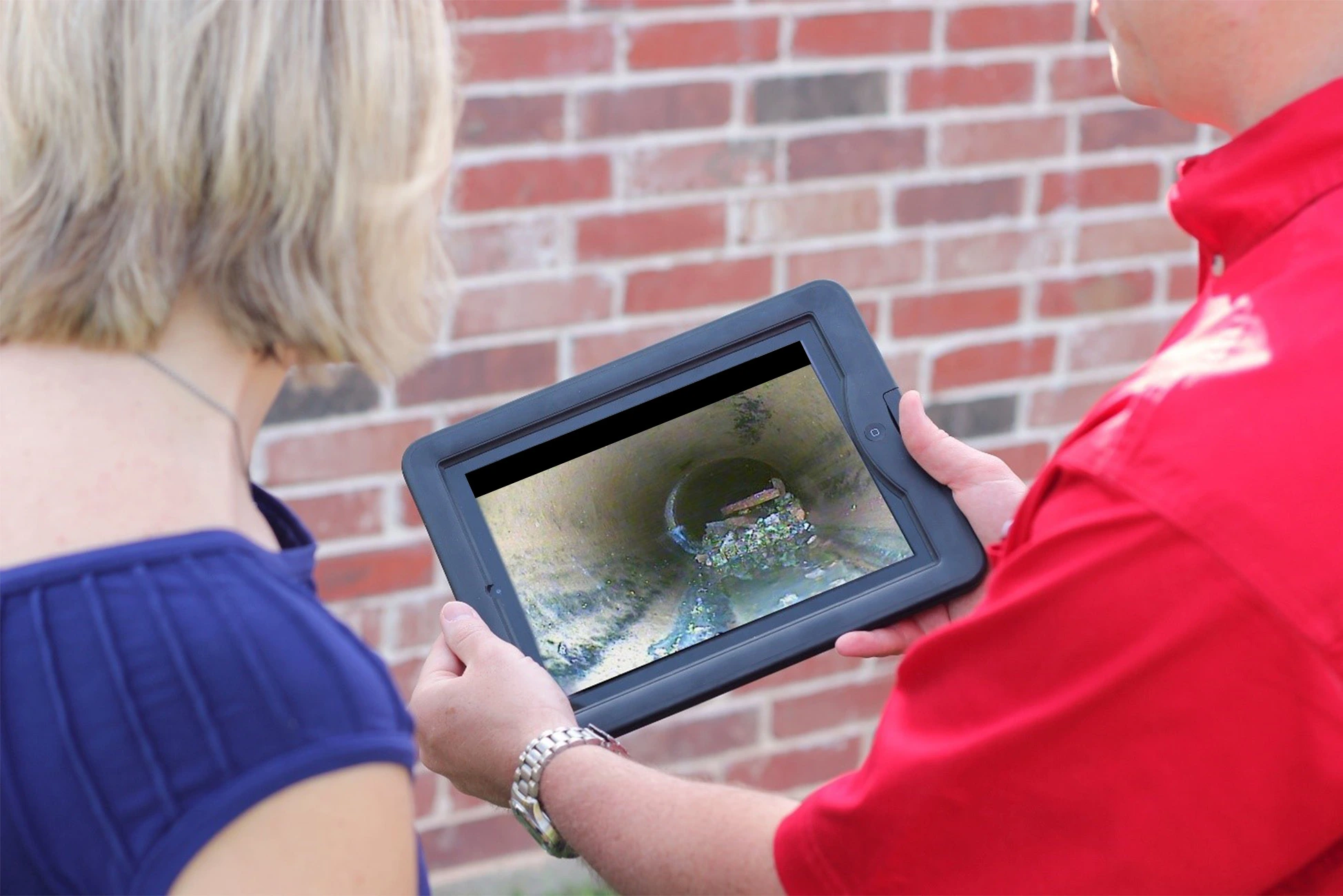
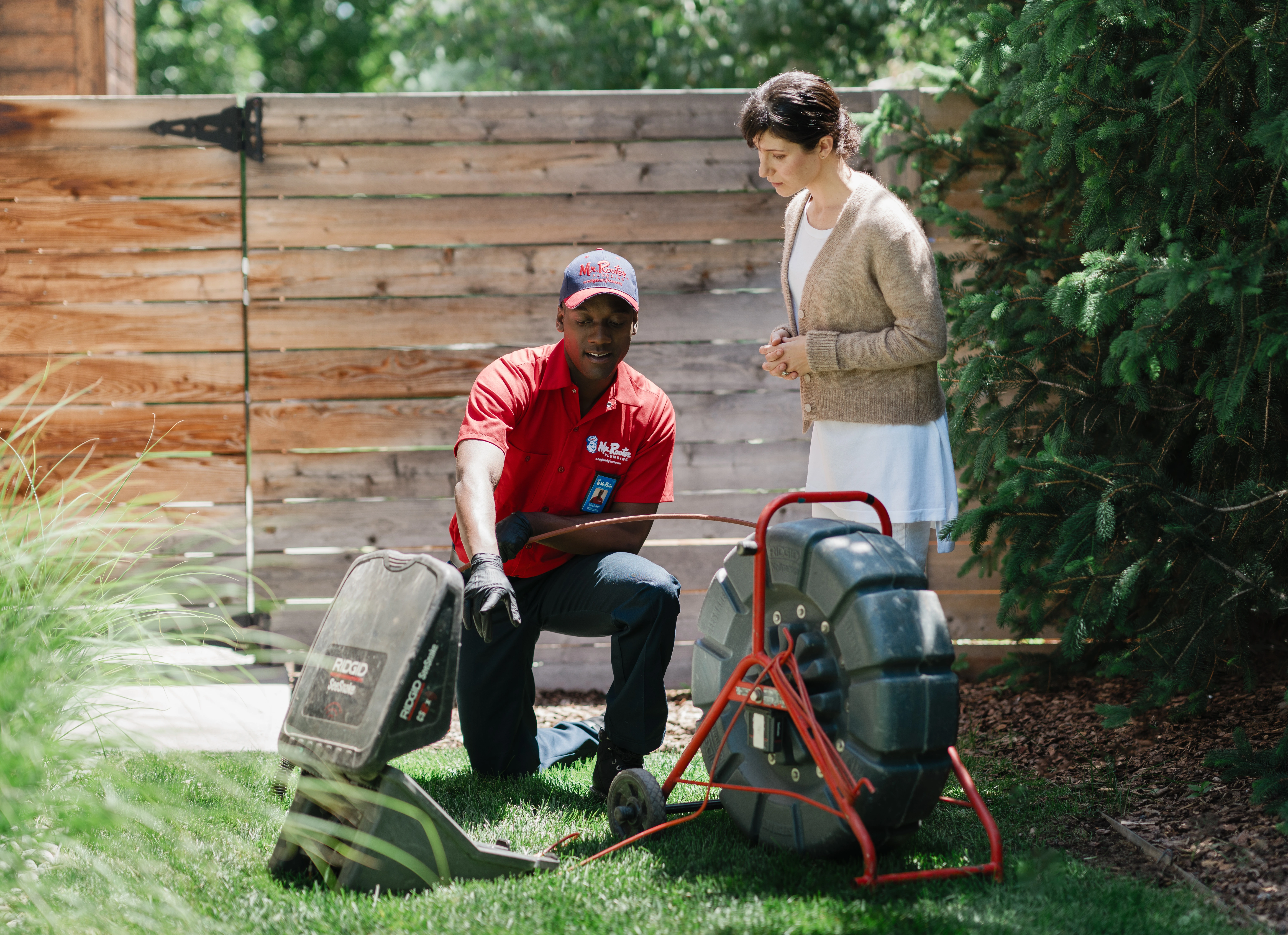
Service professionals diagnose sewer line damage through camera inspection, electronic locating tools, and structural evaluation of the entire line to determine repair scope.
Once your service professional understands what went wrong, why it happened, and how far the issue extends, they can recommend an appropriate and effective solution. Here are the typical steps required to diagnose a sewer line issue:
Sewer line camera inspection
A high-resolution sewer camera provides a real-time view of the pipe interior. This process identifies cracks, buildup, corrosion, or root intrusion — and just as importantly, confirms which sections remain in good condition. These visuals lay the groundwork for selecting the right repair.
Sewer line damage locating tools and depth assessment
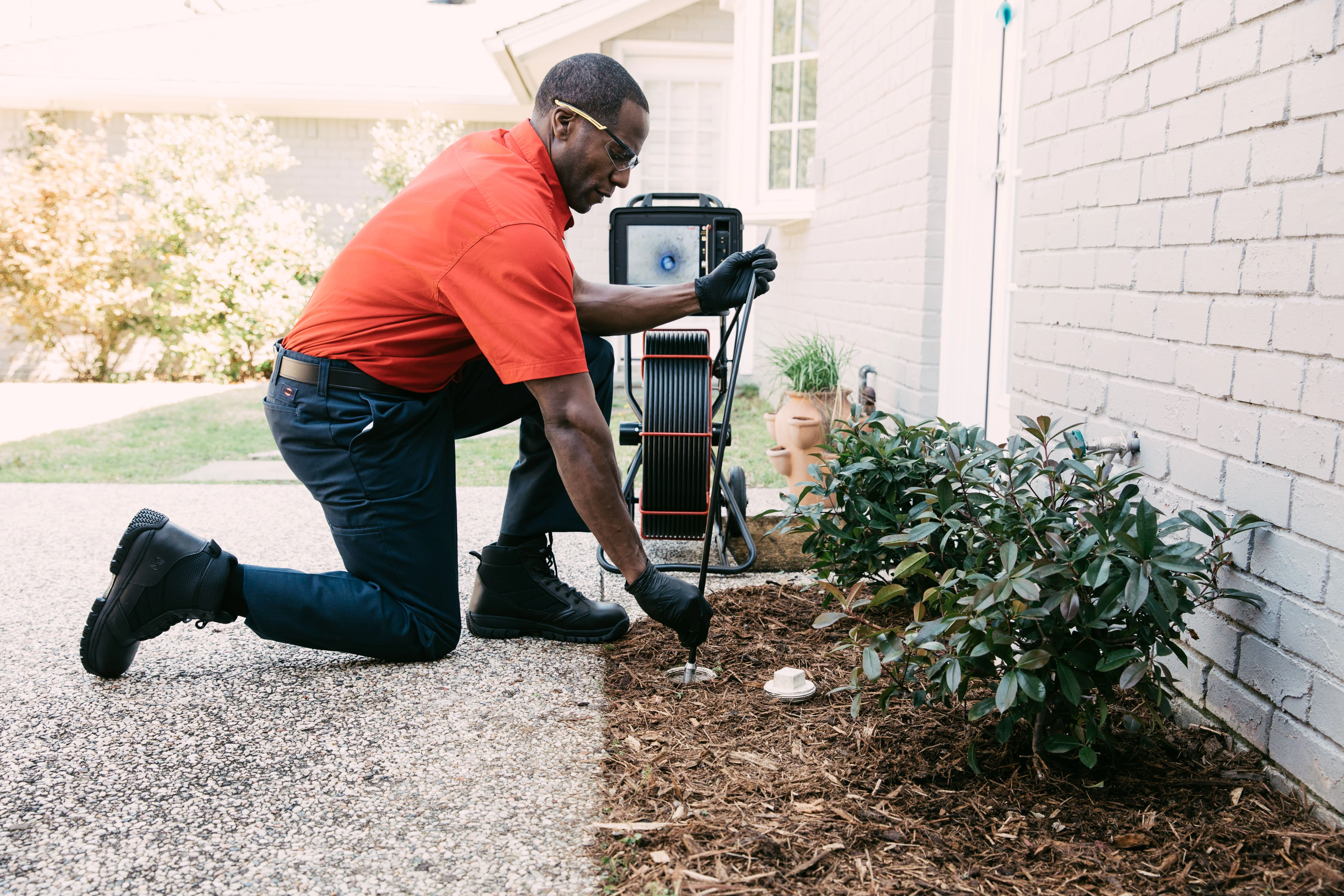
After the camera inspection pinpoints the issue, electronic locators trace the pipe underground. Professionals map its path, determine the depth, and mark the safest access point to minimize yard or driveway disruption.
Structural evaluation of the full sewer line
Spot repair is only appropriate when adjacent pipe sections are strong enough to support the fix. Service professionals examine nearby sections for corrosion, weakness, or early signs of deterioration to ensure the repair will hold up over time.
Once the line has been fully evaluated, your service professional can confidently walk you through your options.
When to choose spot repair vs. relining vs. full replacement
The decision framework below helps homeowners understand when spot repair works and when a different solution may be needed.
| Condition | Spot Repair | Pipe Relining | Full Replacement |
| Single crack or joint failure | ✓ | X | X |
| Multiple weak areas | X | ✓ | X |
| Aging, brittle pipe | X | X | ✓ |
| Localized root intrusion | ✓ | ✓ (if widespread) | X |
| Collapsed segment | X | X | ✓ |
| Prefer minimal excavation | ✓ | ✓ | X |
Benefits and Limitations of Sewer Line Spot Repair
Every repair method has strengths and boundaries. Understanding both sides helps homeowners choose the most effective solution.
Benefits of sewer line spot repair
Spot repair offers a focused, minimally invasive solution when the rest of the sewer line is healthy. It resolves the immediate issue without requiring major excavation or system-wide replacement.
Homeowners often choose spot repair because:
- It repairs only the affected section, avoiding large-scale excavation.
- Landscaping, driveways, and outdoor structures remain largely undisturbed.
- Repairs typically take less time than full replacement.
- It’s a cost-effective solution for localized problems.
- Work is performed by qualified plumbing service professionals.
- When the surrounding pipe is healthy, the repair offers long-term reliability.
Limitations of sewer line spot repair
Spot repair isn’t designed for sewer lines with widespread wear or structural problems. In those cases, a localized fix won’t address the underlying system issues.
Spot repair may not be the best option when:
- The sewer line shows aging or advanced corrosion.
- Multiple joints or segments are compromised.
- The pipe has structural issues that affect the slope or grading.
- Additional weak points suggest the need for relining or replacemen
How do spot repair, relining, and replacement compare for longevity and impact?
This comparison helps clarify how each method addresses different types of damage and what homeowners can expect long-term.
| Repair Type | Best For | Typical Lifespan | Homeowner Impact | When to Choose |
| Spot repair | Single damaged section | 10-15+ years | Minimal disruption, small access point | When damage is isolated and the rest of the line is healthy |
| Pipe relining | Moderate damage across longer sections | 30-50 years | No excavation, completed from access points | When multiple sections need reinforcement, but the pipe structure is intact |
| Full replacement | Severe deterioration or collapse | 50-100+ years | Requires excavation, landscaping restoration | When the pipe is beyond repair or has widespread deterioration |
For larger buildings or properties with high usage demands, commercial sewer line repair and replacement services offer similar diagnostic expertise tailored to commercial systems.
Sewer Line Spot Repair Cost Factors
Several variables influence the cost of spot repair, including location, depth, accessibility, and the overall condition of the sewer line.
Factors that impact the final price of a spot repair can include:
- The depth and exact location of the damaged section
- Soil type and yard structure
- Access challenges (e.g., beneath hardscaping)
- The condition of the nearby pipe segments
A thorough inspection ensures the repair method reflects the actual condition of your sewer line. This prevents unnecessary work, protects your budget, and ensures the chosen repair will hold up over time.
Schedule a Sewer Line Evaluation with Mr. Rooter Plumbing
Sewer issues can feel overwhelming, but getting clarity shouldn’t be. A Mr. Rooter Plumbing service professional can show you exactly what’s happening underground, talk through your options in plain language, and help you choose the solution that fits your home’s needs.
If you’re experiencing slow drains, odors, or recurring backups at home, request residential sewer and drain services for a fast, lasting resolution. Every Mr. Rooter service is backed by the Neighborly Done Right Promise® — a commitment to making sure the work is completed with skill and care.
Whether you’ve noticed early warning signs or simply want a clearer picture of your sewer line’s condition, we’re here to help. Schedule your sewer line evaluation today.
This article is intended for general informational purposes only and may not be applicable to every situation. You are responsible for determining the proper course of action for your home and property. Mr. Rooter Plumbing is not responsible for any damages that occur as a result of this blog content or your actions. For the most accurate guidance, contact your local Mr. Rooter Plumbing location for a comprehensive, on-site assessment.
FAQs about Sewer Line Spot Repair
At Mr. Rooter Plumbing, we’re committed to providing exceptional plumbing services for homes and businesses. Whether you have a clogged drain or need emergency repairs, our team of trusted local plumbers delivers quality, transparency, and customer satisfaction. Explore these FAQs to learn more about sewer line spot repair.