Mr. Rooter Plumbing® explains how to prepare your home’s plumbing for a hurricane, including protecting key systems from flooding, pressure changes, and potential contamination before, during, and after the storm.
|
Preparing for a hurricane involves more than securing windows and outdoor items. Plumbing systems can also be affected by heavy rain, flooding, and power outages, making it important to understand what to consider before, during, and after a storm.
This guide focuses on plumbing-related hurricane preparation, with safety-first guidance on what to consider before a storm, what to avoid during severe weather, and how to approach plumbing use after flooding—including when to contact a service professional.
Article contents
- Why Plumbing Prep Matters During Hurricanes
- Plumbing Preparation Before a Hurricane
- What to Do With Plumbing During a Hurricane
- After the Storm: Post-Flood Plumbing Safety
- When to Call a Plumbing Service Professional
- FAQs About Hurricane Plumbing Prep
Why Plumbing Prep Matters During Hurricanes
Heavy rain and rising groundwater can overwhelm drainage systems, increase pressure on sewer lines, and introduce floodwater into plumbing or septic components. Power outages may limit sump pump operation, while saturated soil can prevent proper drainage around the home.
Plumbing systems are highly interconnected, which means stress in one area can affect others. In many cases, plumbing-related issues don’t show up until floodwaters recede and systems are put back into use—an often overlooked part of how to prepare your home for a hurricane.
This delayed impact makes advanced preparation and post-storm caution essential.
Plumbing Preparation Before a Hurricane
Plumbing preparation before a hurricane focuses on awareness, system readiness, and reducing the risk of flood-related stress. The best place to start is learning about the key plumbing systems that might be affected.
Locate your main shut-off valve
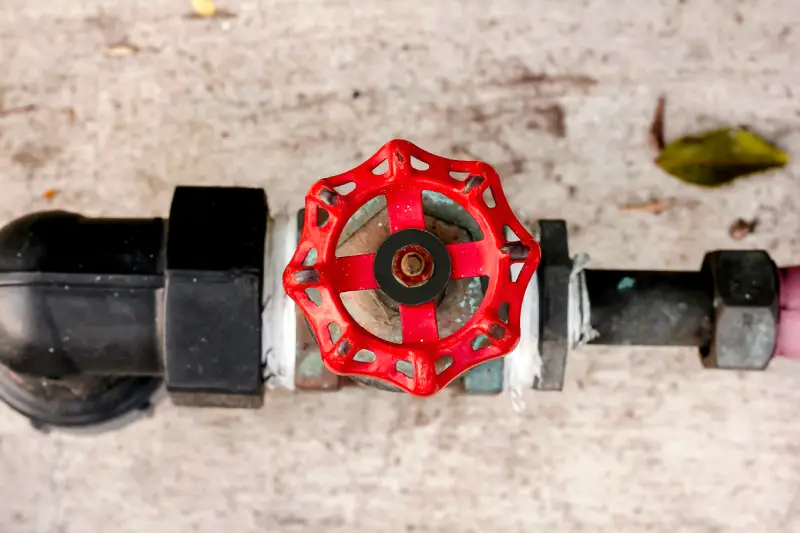
The main water shut-off valve controls the flow of water into your home. Knowing where it is and how to operate it can be important in the event of flooding or evacuation.
If you’re unsure where to find your main water shut-off valve or whether it’s in working condition, a plumbing service professional can help assess it safely. Older or rarely used valves, in particular, may be stiff or delicate and should be handled with care. If the valve is leaky, rusted, or cannot be turned easily, schedule a water valve replacement for peace of mind.
Test your sump pump before heavy rain
Sump pumps help manage groundwater during heavy rain and flooding, especially in basements and lower-level spaces. However, power disruptions, debris, or mechanical issues can limit their effectiveness when water levels rise during a hurricane.
If your home relies on a sump pump to manage excess water, addressing any concerns ahead of time can help reduce stress during severe weather. Systems with battery backups may offer additional support during outages, but readiness should always be confirmed before a storm.
Clean gutters and drainage paths
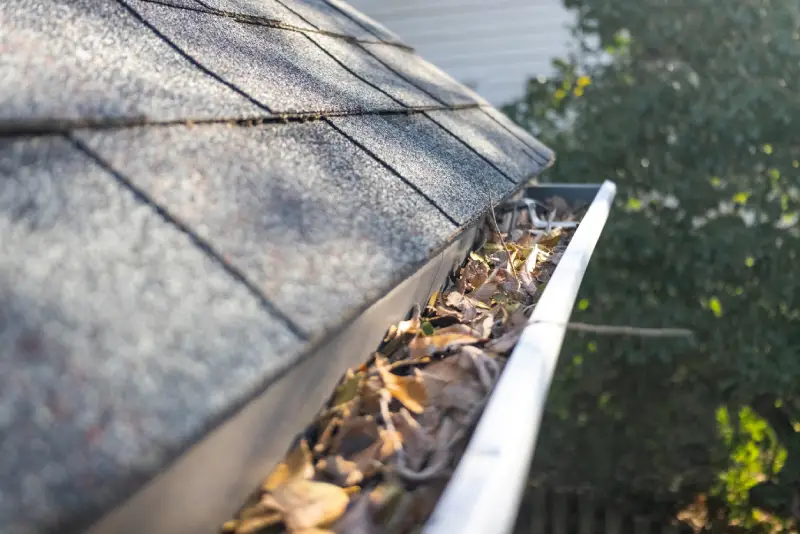
When gutters or downspouts are clogged, rainwater can collect near your home's foundation and increase the risk of water getting inside. Cleaning out gutters and exterior drainage paths helps ensure rainwater is directed away from your home, which reduces excess strain on drains and other plumbing parts.
Septic system considerations
Flooding and saturated soil can prevent septic systems from draining properly and may allow floodwater to enter system components. If your home relies on a septic system, schedule a yearly septic inspection to support safer use both before and after a storm.
What to Do With Plumbing During a Hurricane
During a hurricane, prioritize safety by minimizing stress on plumbing systems. If flooding is occurring or expected, limit your home plumbing use to reduce the risk of sewer backups and system overload.
Important safety note: If flooding or sewage backup is present, avoid entering flooded areas or using plumbing fixtures until conditions improve.
After the Storm: Post-Flood Plumbing Safety
Even after floodwaters recede, plumbing systems may remain unsafe until conditions stabilize and systems are evaluated. The guidance below focuses on common post-flood concerns and explains when it may be safest to wait—and when professional evaluation is recommended.
When it’s not safe to use plumbing
Certain warning signs suggest plumbing systems should not be used yet, such as slow or blocked drains, unusual odors, discolored water, or standing water near drains or cleanouts.
Safety guidance from the Centers for Disease Control and Prevention (CDC) and the National Weather Service encourages extra caution after flooding, since floodwater can contain contaminants, and conditions may still be unsafe even after water levels drop. When in doubt, it’s safer to limit plumbing use until your local utility or local officials confirm conditions are safe.
Septic systems after flooding
Septic systems are especially vulnerable following flooding, as floodwater can disrupt drainage fields and compromise system components. Using a septic system too soon after flooding may cause additional damage or backups.
A professional septic inspection can help determine when it’s safe to resume normal use.
Quick-reference table: Plumbing prep before, during, and after a hurricane
This table provides a high-level overview of plumbing considerations at each stage of a hurricane.
| Timing | What to Know | Why It Matters |
| Before the hurricane | Locate shut-off valve, test sump pump, clear gutters, and consider a septic inspection. | Reduces risk of damage and contamination |
| During the hurricane | Limit plumbing use if flooding occurs. | Helps prevent backups and system strain |
| After the hurricane | Watch for warning signs, avoid use until safe, and contact a plumbing service professional. | Supports safer recovery |
While these guidelines can help homeowners understand what to watch for, some hurricane-related plumbing issues aren’t always obvious. When there’s any uncertainty (especially after flooding), a plumbing service professional can step in and help pinpoint any problems.
When to Call a Plumbing Service Professional
After a hurricane, it’s not always easy to know whether plumbing systems are safe to use. Storm-related plumbing concerns, especially those involving flooding, sewer backups, sump pump issues, or septic systems, are often best evaluated by a plumbing service professional.
If you notice persistent odors, slow or blocked drains, standing water, or anything that simply doesn’t seem right, have a professional take a closer look. One call can help prevent more significant problems and support a complete recovery.
At Mr. Rooter Plumbing, we understand that hurricane preparation and recovery can feel overwhelming. When you contact your local Mr. Rooter team, you can expect clear communication, respectful service, and work backed by the Neighborly Done Right Promise® to ensure your satisfaction.
Learn more and request an appointment today.
This article is intended for general informational purposes only and may not be applicable to every situation. You are responsible for determining the proper course of action for your home and property. Mr. Rooter Plumbing is not responsible for any damages that occur as a result of this blog content or your actions. For the most accurate guidance, contact your local Mr. Rooter Plumbing location for a comprehensive, on-site assessment.
FAQs About Hurricane Plumbing Prep
At Mr. Rooter Plumbing, we’re committed to providing exceptional plumbing services for homes and businesses. Whether you have a clogged drain or need emergency repairs, our team of trusted local plumbers delivers quality, transparency, and customer satisfaction. Explore these FAQs to learn more about hurricane plumbing preparation.