Mar 01 2026
A drain snake is a tool used by plumbers to dislodge blockages deep within drainpipes.
Learn more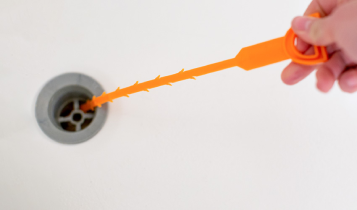
A drain snake is a tool used by plumbers to dislodge blockages deep within drainpipes.
Learn more
Water pipes handle a lot of stress. From high pressures to temperature changes, it’s a wonder that they tend to operate silently.
Learn more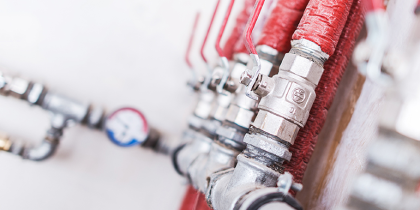
Let’s face it, toilets aren’t famous for smelling great. In your own home, you probably do your best to keep yours relatively clean.
Learn more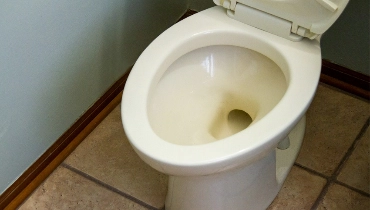
Your refrigerator may be leaking for one of several possible reasons. A blocked defrost drain, a damaged defrost pan, or a detache
Learn more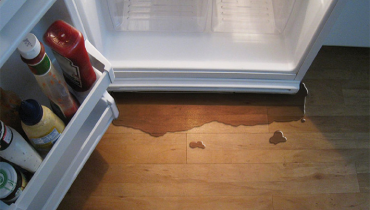
When your plumbing system works the way it should, it’s easy to forget all about it. But when a problem catches your attenti
Learn more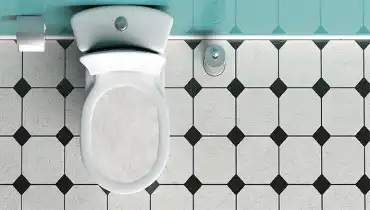
When researching the best water heater for your property, you may have discovered the importance of a water heater expansion tank.
Learn more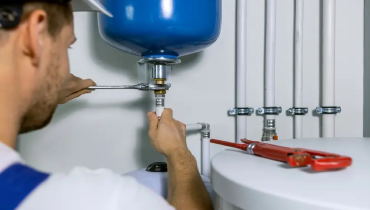
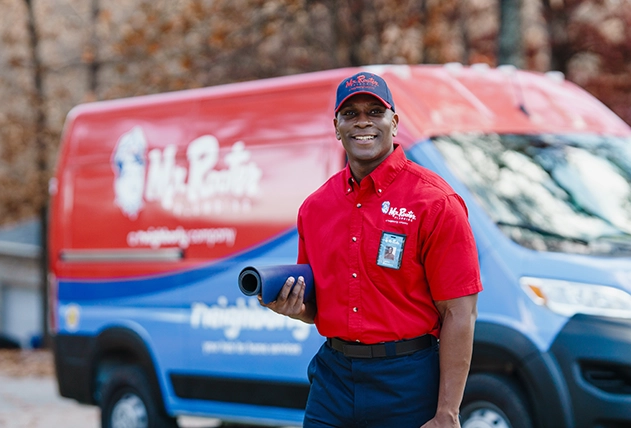
Since the original Mr. Rooter was founded in 1970, the company has remained committed to a set of core values that are rooted in performing quality work at honest prices. Nearly half a century later, the original Mr. Rooter business is still servicing homes and businesses in and around Oklahoma City. It’s still independently owned and operated with strong ties to the community that made it all possible.