Mr. Rooter Plumbing® explains how drought conditions cause tree roots to travel farther and enter sewer lines in search of moisture. Here’s what homeowners should know about root intrusion during dry weather:
|
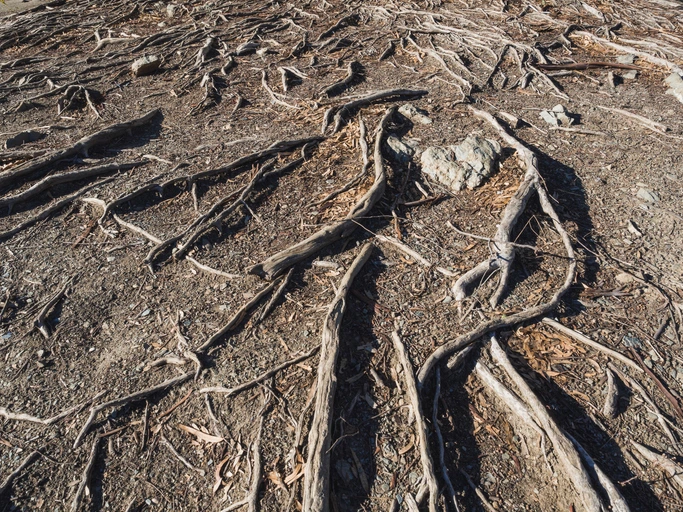
During drought conditions, tree roots become far more aggressive in their search for water, often traveling two to three times their normal range. Sewer lines naturally release small amounts of water vapor through tiny cracks and joints, making them a prime target for roots seeking consistent moisture during extended dry spells.
The result can cause restricted water flow, poor drainage throughout your home, and even total sewer line blockages. Understanding the conditions that cause these changes can help you spot early warning signs before they grow into a significant problem.
Article contents
- Why Do Tree Roots Invade Sewer Lines During Drought?
- Warning Signs of Tree Roots in Your Sewer Line
- How Professionals Remove Tree Roots From Sewer Lines
- Preventing Root Intrusion Before Drought Season
- What to Do If You Suspect Root Intrusion
- Protect Your Plumbing This Drought Season
- FAQs About Tree Root Intrusion During Drought
Why Do Tree Roots Invade Sewer Lines During Drought?
Tree roots naturally seek water and nutrients by growing toward heat and moisture. During drought conditions, the dry ground causes this search to intensify. Sewer pipes become especially attractive as warm water inside the line releases vapor through small cracks, forming “vapor trails” that roots can detect and follow directly toward imperfections in the pipe.
According to the U.S. Forest Service, tree roots are responsible for more than 50% of all sewer line blockages. And that means sewer lines with even minor vulnerabilities become an easy target.
How far can tree roots travel to reach water during drought?
Roots can grow up to 1 foot per day in optimal conditions. During drought, they can travel far beyond their typical range—often two to three times the width of the tree’s canopy and, in severe conditions, up to 100 feet in search of moisture. While the total reach depends on the species, soil conditions, and water availability, any nearby sewer lines become a prime target when the surrounding ground dries out.
Which pipes are most at risk for root intrusion?
Sewer pipes made from obsolete materials like clay, cast iron, or Orangeburg materials are significantly more vulnerable to root intrusion. Over time, these materials naturally develop cracks, loose joints, and weakened sections. Modern PVC systems are more resistant to intrusion thanks to tighter seals and smoother interiors.
Here’s how pipe materials stack up, from the most to the least vulnerable:
- Clay pipes (pre-1970s): Loose joints and porous structure
- Orangeburg pipes (1940s–1970s): Highly degradable and extremely weak
- Cast iron (pre-1980s): Corrosion creates openings
- Concrete pipes: Moderately vulnerable
- PVC pipes (1980s–present): Tight seals, low risk
Other risk factors include:
- Mature trees close to the sewer line
- Homes built before 1980
- Clay-rich soils that shrink during drought (common in southern states)
- A history of previous root intrusion
If your home checks more than one of these boxes, a video camera inspection can reveal your sewer line’s condition before problems escalate.
The good news? Root behavior is predictable, which means homeowners can take steps to prevent it.

Warning Signs of Tree Roots in Your Sewer Line

Some of the earliest warning signs of root intrusion include slower drains, gurgling toilets, and recurring clogs. If multiple fixtures drain slowly at once (especially during a drought), a blockage may be forming in the main sewer line.
Most root problems don’t start with a dramatic backup, but with subtle changes you might overlook:
| Warning Signs of Tree Roots in Your Sewer Line | ||
|---|---|---|
| Early signs: May indicate the beginning of a blockage | Moderate signs: Schedule a sewer line inspection | Severe signs: Call a professional immediately |
| Slow sink or shower drains | Multiple slow drains throughout the home | Sewage backing up into tubs or showers |
| Occasional toilet gurgling | Persistent bubbling or gurgling | Soggy yard areas or unexplained pooling |
| One fixture drains more slowly than the others | Increased frequency of backups | Strong sewage smells |
| Random, intermittent clogs | Light sewage odors indoors or outdoors | Bright-green patches on the ground during a drought, indicating roots feeding on pipe leaks |
The symptoms of sewer line intrusion start subtly but worsen over time as roots expand inside the pipe. Pay attention to your drains’ behaviors to catch the signs of minor blockages before they become major headaches.
Why do drains gurgle when tree roots block the sewer line?
Gurgling occurs when roots partially block the sewer line, limiting water flow. As wastewater pushes past the obstruction, trapped air is forced back up through the plumbing system. That trapped air escapes through toilets or drains, creating bubbling or gurgling sounds. This sound is often one of the first signs of roots in sewer lines beginning to restrict airflow.
How Professionals Remove Tree Roots From Sewer Lines

Professional root removal starts with a video camera inspection to locate the blockage and assess the pipe’s overall condition. Depending on what the inspection shows, service professionals may use mechanical cutting, hydro-jetting, or trenchless lining to remove roots without damaging the pipe.
Video camera inspection
The first step in removing roots is a visual inspection to pinpoint the problem. Modern sewer line cameras provide a clear view of the blockage and reveal the pipe’s condition and vulnerabilities. No digging is required for this process.
Mechanical root cutting
Root cutting is one of the most reliable ways to quickly remove roots from sewer lines before applying longer-term solutions. Often the first step in restoration, this technique uses rotating blades to clear root intrusions and open the line so wastewater can flow normally.
Hydro Jetting
Hydro jetting is a modern technique that uses high-pressure water to remove root fragments and buildup. In the process, the water also cleans the interior of the pipe. This technique is often paired with mechanical cutting for a complete root removal.
Learn more about Hydroscrub® Jetting services from Mr. Rooter.
Trenchless Pipe Lining (CIPP)
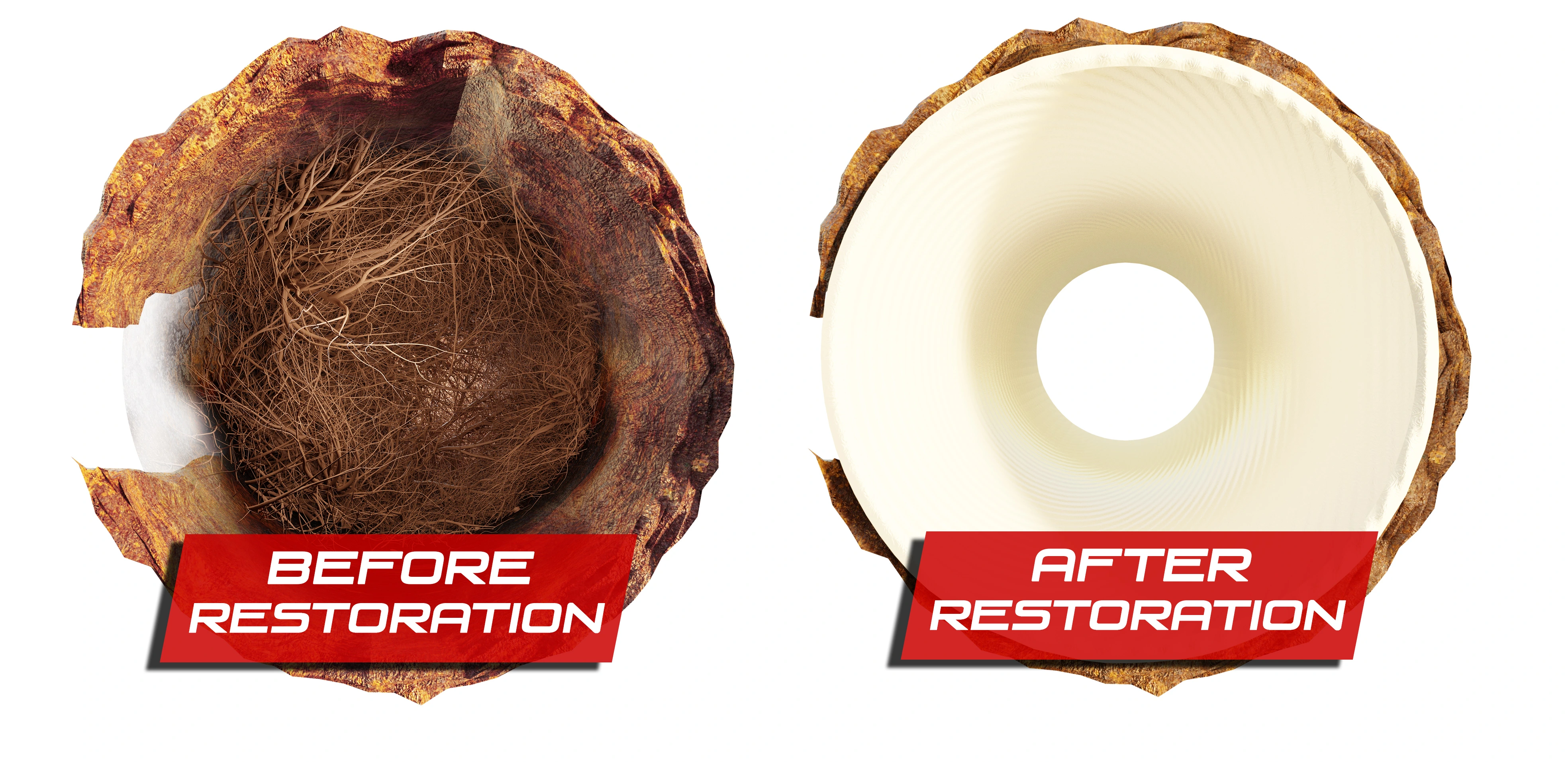
In many cases, root intrusion damages the pipe beyond repair, requiring a sewer line replacement. While this used to entail cutting a trench through the yard to replace the entire pipe, trenchless pipe relining is an advanced technique that allows professionals to create a new, smooth pipe inside the existing one. The process seals cracks and loose joints, prevents future intrusion, and requires minimal excavation or damage to the yard.
Preventing Root Intrusion Before Drought Season
The best time to protect your sewer line from root intrusion is before drought conditions begin. Annual inspections, strategic landscaping, and preventative treatments help keep roots from entering vulnerable pipes during dry weather.
Prevention strategies
Proactive maintenance pays off, especially in older homes. Consider:
- Annual sewer line inspections (particularly if your home is 25+ years old)
- Preventative root treatments, if recommended by a professional
- Physical root barriers during landscaping projects
- Choosing tree species with less aggressive roots
- Upgrading vulnerable sewer line sections to PVC or reinforcing with pipe lining
These steps go a long way toward keeping roots in drain pipes from becoming a repeat problem during extended dry spells.
Should I water my trees more during drought to reduce root intrusion risk?
Watering trees deeply and less frequently helps encourage roots to grow downward rather than outward. Well-hydrated trees are less likely to send roots searching for alternate water sources like sewer lines. Still, tree watering alone won’t replace proper sewer maintenance. If drought restrictions apply in your area, prioritize professional inspection and preventative treatments.
Are some trees better choices if you live near sewer lines?
Yes. Certain species have gentler, less invasive root systems. Good options include:
- Dogwoods
- Japanese maples
- Crabapples
- Redbuds
- Ornamental flowering trees
Trees with aggressive, water-seeking root systems pose the highest risk, extending roots 2 to 3 times their canopy width. Avoid planting these trees near sewer lines:
- Willows
- Poplars
- Silver maples
- Cottonwoods
- Elms
- Birches
|
Note: Regardless of the species, trees should be planted at least 10–20 feet from underground pipes. Call 811 before digging for help locating pipes in your yard. |
What to Do If You Suspect Root Intrusion
If you suspect roots in your sewer line, avoid chemical drain cleaners, temporarily reduce water usage, and schedule a video inspection. Severe symptoms (like backups or sewage odors) should be treated as urgent.
Immediate steps
- Stop using chemical drain cleaners.
- Reduce water use temporarily.
- Note when symptoms occur.
- Don’t flush anything besides waste and toilet paper.
- Schedule a video camera inspection.
- Avoid DIY augering on your main line.
Emergency indicators
Call your local Mr. Rooter team if you notice:
- Sewage backing up into drains.
- Multiple fixtures backing up at once.
- Strong sewage odors indoors.
- Pooling or sinkholes in the yard.
Why early action matters
A small intrusion can expand quickly—especially during drought, when roots grow aggressively. Early detection helps prevent more extensive repairs and protects your property.
Once you’ve taken these initial steps, the next move is making sure your system gets the right professional attention. That’s where your local Mr. Rooter team can help.
Protect Your Plumbing This Drought Season

Drought conditions affect more than just your lawn—they can quietly impact the plumbing underneath your home. As tree roots search farther for water, small vulnerabilities in your sewer line can grow into bigger problems. But with a little proactive care, you can keep everything flowing smoothly.
Whether you've noticed slower drains or gurgling sounds or simply want peace of mind, schedule a video camera inspection to reveal exactly what's happening underground. Your local Mr. Rooter drain and sewer service professionals can assess your line, address any root intrusion, and create a prevention plan for your property.
You don't have to wait for concerns to become headaches. Our service professionals are prompt, experienced, and backed by the Neighborly Done Right Promise® to ensure your satisfaction on every visit. Reach out to your local Mr. Rooter team to schedule an inspection today.
This article is intended for general informational purposes only and may not be applicable to every situation. You are responsible for determining the proper course of action for your home and property. Mr. Rooter Plumbing is not responsible for any damages that occur as a result of this blog content or your actions. For the most accurate guidance, contact your local Mr. Rooter Plumbing location for a comprehensive, on-site assessment.
FAQs About Tree Root Intrusion During Drought
At Mr. Rooter Plumbing, we’re committed to providing exceptional plumbing services for homes and businesses. Whether you have a clogged drain or need emergency repairs, our team of trusted local plumbers delivers quality, transparency, and customer satisfaction. Explore these FAQs to learn more about home tree root intrusion during drought conditions.