Skip to Main Content Skip to Footer Content

Our Greater Syracuse Plumbing Blog

Shared Resources for Your Home Needs

All Blogs

Service You Can Trust!

Let us know how we can help you today.

About Mr. Rooter Plumbing

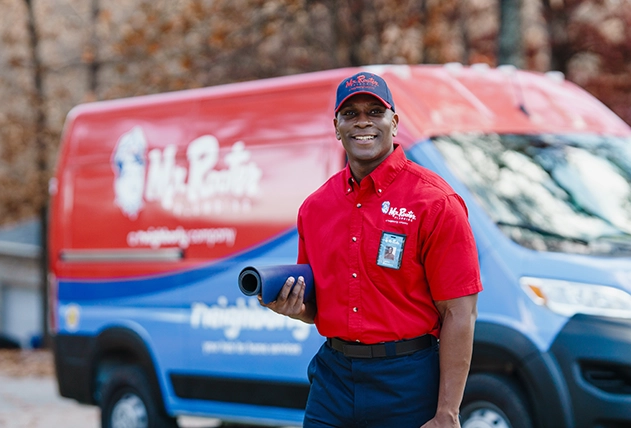
Mr. Rooter employee smiling and waving from a branded van.

Since the original Mr. Rooter was founded in 1970, the company has remained committed to a set of core values that are rooted in performing quality work at honest prices. Nearly half a century later, the original Mr. Rooter business is still servicing homes and businesses in and around Oklahoma City. It’s still independently owned and operated with strong ties to the community that made it all possible.

Learn More
\n

\"Banner

Table of Contents

\n
    \n
  1. How Does a Well Pump Work?
  2. \n
  3. Types of Water Well Pumps - Jet Pumps vs. Submersible Pumps
  4. \n
  5. Single Drop Jet-Pump System for Shallow Wells
  6. \n
  7. Double Drop Jet-Pump System for Deep Wells
  8. \n
  9. Submersible Pump System for Deep Wells
  10. \n
  11. What Size Well Pump Do I Need?
  12. \n
  13. Other Well Pumps to Consider
  14. \n
  15. Key Components to Consider
  16. \n
\n

If you live outside of town, chances are your home will have its own electromechanical system for drawing water from a well. According to the U.S. Census Bureau, over 15 million households rely on private wells for drinking water.

\n

The well pump, which extracts water from underground water sources, is the heart of that electromechanical system. It’s what provides your home with clean, safe drinking water.

\n

How Does a Well Pump Work?

\n

\"how

\n

A typical well water system lifts water from an underground well and delivers it to a storage tank where it’s pressurized and stored until it’s \"15needed. Most pumps are electric and use suction to draw the water through pipes. Most pumps also fall into one of the following two categories:

\n\n

Types of Water Well Pumps — Jet Pumps vs. Submersible Pumps

\n

There are as many different kinds of well pumps as there are requirements, although selection factors often depend on the depth of the water and the diameter of the well casing. Some pumps have special purposes such as boosting water pressure or offering a special water outlet, like a distillation system.

\n

Jet pumps pull water, while submersible pumps work by pushing water upward. Since pushing water requires less energy, submersible pumps are often more efficient for deep wells. Choosing a jet pump or submersible pump will likely depend on the depth of your well.

\n

\"wellDo I Have a Shallow or Deep Well?

\n

The first consideration is the distance water needs to travel to reach the surface. If your area has a stable supply of water near the surface or a high water table, it will be much easier to access water for your home. Deep wells, on the other hand, require additional considerations.

\n

Depth Considerations – Depending on Where Well Pumps Are Located

\n\n

To find out the depth of your well, check the well driller’s well report. If there’s no such report, you can determine water depth by tying a fishing bobber to the end piece of a string and lowering it until you feel the bobber floating. Take up the slack and mark the string.

\n

Single Drop Jet-Pump System for Shallow Wells

\n

Single drop jet pumps are the best shallow well pumps. They feature one-way check valves to keep pumps primed. The pump sits above ground, drawing water through a single inlet pipe. Because the mechanics are straightforward, they tend to need less maintenance.

\n

Jet pumps, the most common pumps for shallow wells, are mounted above wells and draw water up with suction. The height the water can be lifted depends on the weight of the air. Although air pressure varies with elevation, jet-pump-operated shallow wells are commonly limited to 25 feet.

\n

Jet pumps create pressure through the use of an impeller, or centrifugal pump. The impeller moves water — known as drive water — through a narrow orifice, or a jet, mounted in the housing in front of the impeller. Constriction of the jet causes the speed of moving water to increase. As water leaves the jet, a vacuum sucks additional water from the well. This additional pumped water combines with the drive water, discharging into the home at high pressure.

\n

The process of drawing water with shallow well jet pumps uses water. This means the pumps need to be filled with water before they can work. One-way check valves are installed to keep the water from flowing back down the well.

\n

Double Drop Jet-Pump System for Deep Wells\"how

\n

A deep-well jet pump also sits above ground, but it draws water through the use of two pipes — one to draw water from the well and the second to push water upward. The deep-well jet pumps are designed to extract water from depths up to 110 feet and require a foot valve to prime the pipe. Some models may include a tailpipe to ensure the well is never pumped dry.

\n

Deep-well jet pumps can draw water from depths greater than 25 feet when the jet is separated from the impeller housing and placed down in the water. The impeller drives water down into the jet’s body while the jet delivers water back up to the pump. Deep-well jet pumps use suction at the jet to bring water into the system, as well as the pressure generated by the impeller to lift water from the well and into the home.

\n

To keep the system from over-pumping the well, a deep-well jet pump will include a 25-foot-long tailpipe connected to the intake end of the jet housing. If the water level drops below the level of the jet housing, the tailpipe ensures the well will never be pumped dry. The greater the distance of the jet over the water level, the more efficient the pumping will be.

\n

As with shallow-well systems, a deep-well jet pump system needs to be primed with water. A foot valve at the bottom of the well keeps water from draining from pipes.

\n

Contact A Professional

\n

Submersible Pump System for Deep Wells\"a

\n

A deep-well submersible pump uses a pressure tank to draw water through a single pipe connecting the inside well to the home. A submersible pump can extract water from depths up to 400 feet, but it must be pulled from the well casing for repairs. Two-wire pumps feature built-in controls while three-wire pumps require a separate control box.

\n

Although jet pumps can still handle depths of several hundred feet, submersible pumps are typically more effective at greater depths. By moving the pump down the well, the pump no longer lifts the water but, rather, pushes it upward. A submersible pump won’t work, however, unless it’s completely submerged in liquid.

\n

Submersible pumps are cylindrical in shape, with the bottom half made up of a sealed pump motor connected to a power source above ground. The motor drives a series of impellers, used to drive water up the pipe. When a pressure switch is turned on, the impellers spin, which draws water into the pump. The water is then pushed through the pump body and into a storage tank at the surface. An adapter, connected to the plumbing system, regulates access to the well’s piping through the well casing, routing water from the pump into the home’s plumbing system.

\n

Unlike above-ground water well pumps, which experience a higher rate of mechanical problems due to the challenge of pulling water from a well, submersible pumps generally encounter fewer problems. Since submersible pumps lie underwater, they never lose prime, which can be a problem for above-ground pumps. Cavitation, which occurs when excess air or gas gets into the mechanical parts of the pump, is also usually not a problem for submersible pumps since the pumps lie deep beneath the water's surface and always have access to water.

\n

Although submersible pumps can be more efficient than jet pumps at delivering more water with a comparable motor, any problems with the motor may require pulling the entire unit from the well casing. Fortunately, submersible pumps are generally known for their reliability, often performing optimally for up to 25 years before needing to be serviced. Submersible pumps are an efficient and low-maintenance way to deliver safe drinking water into your home.

\n

What Size Well Pump Do I Need?\"3-4

\n

You will also need to determine the best pump size, depending on your water home needs. Pumps are rated in GPM (gallons per minute). A typical 3- to 4-bedroom home requires 8-12 GPM. When determining your home water needs, add one GPM for every water fixture in your home. Such fixtures include clothes washers, dishwashers, faucets, refrigerators, showers, and outdoor water spigots.

\n

Although you’ll need a large enough pump to meet your home water needs, an oversized pump will create energy inefficiencies and reduced performance. When replacing a pump, you should choose a unit with the same horsepower. However, additional horsepower may be necessary if you are adding new appliances or family members. The longer the distance to transport water, the more horsepower will be needed.

\n

If replacing a pump, you can check the identification plate on your pump to determine the horsepower. Keep in mind that submersible pumps may require either three wires or two wires, so you’ll to determine how many wires your replacement pump will need.

\n

Other Well Pumps to Consider

\n

Not all pumps require access to electrical energy. Other pumps options include solar, kinetic, pneumatic and manual:\"flooded

\n\n

Key Components to Consider

\n

Pump assemblies ordinarily include pump bearings, pump impellers (or rotary vanes), electric motors, pump motor bearings, internal pump check valves, and pump control switches. Key components to consider include the following:

\n\n

If your pump doesn’t turn off, it could indicate a problem with pressure switch settings. A pump also might not shut off if the well water is too low or if there’s a leak in the drop line.

\n\n

A pump that starts too frequently might indicate the need for recharging or even the possibility of a leak.

\n\n

Although most buildings generally require the same types of water pumps, special conditions may call for something more unique. Be sure to consider all of your needs before purchasing a well-water pump.

\n

Improving Your Well Pump’s Life Expectancy

\n

An above-ground, one-line or two-line jet pump can operate for a number of years before requiring replacement — as few as four to as many as 15 to 20. A submersible pump in low-sediment water can offer a 15-year life, although high-sediment water can cause pumps to fail sooner.\"sediment

\n

The following factors may affect the expected life of a well pump:

\n\n

If you’re concerned your well pump system isn’t working as it should, consider the following warning signs: \"problems

\n\n

Trust Mr. Rooter of Greater Syracuse for New York Plumbing Services

\n

Since 1970, Mr. Rooter Plumbing has been providing expert plumbing services and world-class customer service for residences and business. Since we are a full-service plumbing company, services include diagnosis and checkups, installation and upgrades, system maintenance and cleaning as well as emergency repairs and common plumbing services, such as drain cleaning.

\n

We offer the highest-quality plumbing throughout the greater Syracuse area, from Auburn to Manlius. Call Mr. Rooter Plumbing, and we’ll send one of our licensed plumbers to solve your plumbing problems. Services include:

\n\n

When it comes to installing, maintaining, and repairing well water pump systems, Mr. Rooter Plumbing of Greater Syracuse knows the importance of clean, safe water.

\n

Water Well System Maintenance

\n

Yearly checkups from Mr. Rooter Plumbing can help ensure the integrity of your well water system, confirm flow rate, and check seals and flanges for leaks. Service plans can save money on regular maintenance while catching problems early to avoid more expensive repairs.

\n

Emergency Well System Repairs

\n

When your well water system experiences problems, Mr. Rooter Plumbing can diagnose your system and get it up and running again quickly — even in the middle of the night.

\n

Well Pump Repair and Replacement

\n

Mr. Rooter Plumbing offers comprehensive expertise when it comes to home well pump repair. We also supply and install replacement well pumps from leading national manufacturers. Let us help you determine the best unit for your home and also develop a maintenance schedule to prevent future water well problems. We can help you design a new well water system to meet changing needs as well.

\n

If you need to repair or replace a well pump, or you would like to schedule a checkup, request an appointment today.

\n

Request Job Estimate

\r\n"}, { "custom_dt_modified":"2026-07-08T06:17:33Z", "custom_s_local_url":"/greater-syracuse/about-us/blog/can-i-use-a-garbage-disposal-with-a-septic-tank-/", "custom_s_opus_version":"2", "custom_s_heading":"Can I Use a Garbage Disposal With a Septic Tank?", "custom_s_local_dba":"greater-syracuse", "custom_dt_created":"2015-11-01T00:00:00Z", "custom_s_category":"plumbing", "custom_ss_category":["plumbing"], "custom_s_article_summary_Image_url":"/us/en-us/mr-rooter/_assets/images/2-What-Does-a-Garbage-Disposal-Do.jpg", "custom_t_content_summary_Desc":"If you have a septic tank on your property, it is likely out of sight and out of mind when it is working as it should. However, th", "custom_t_content_summary_Image_url_alt":"2-What-Does-a-Garbage-Disposal-Do.jpg", "custom_t_heading":"Can I Use a Garbage Disposal With a Septic Tank?", "custom_t_content":"

If you have a septic tank on your property, it is likely out of sight and out of mind when it is working as it should. However, there are steps you can take every day to help maintain your septic system and increase its longevity. One of them is knowing what you can and cannot put down your drains. Since all drains in your home lead to your septic system, this is important in any room, but it especially comes into play if you have a garbage disposal.

\n

Can You Have a Garbage Disposal With Septic?

\n

The short answer is yes, you can have a garbage disposal with septic. Using a garbage disposal will increase the solids in your septic tank. However, there are precautions you can take to ensure that your garbage disposal and septic tank work together and enable convenient food scrap disposal in your kitchen.

\n

What Does a Garbage Disposal Do?

\n

A garbage disposal is a practical addition to almost any kitchen. If you have one in your home, you likely use it to grind up leftover food scraps after a meal. It's easy to see the immense value of these systems when you consider their advantages such as:

\n\n

At the same time, a garbage disposal is a complex piece of equipment with many aspects, some of them negative. If you have a garbage disposal, or you plan to install one in the near future, you should know everything that decision entails. These are some of the disadvantages of a garbage disposal:

\n\n

What Does a Septic System Do?

\n

A septic system serves a similar purpose as a sewer system. It receives waste and processes it with bacteria, breaking down solids before releasing the liquid effluents into a drainfield. Concerning its overall utility, a tank can hold up to 1,000 gallons of water, and that is only one of its many benefits. Additionally, septic tanks:

\n\n

Similar to garbage disposals, though, septic systems are also complex and imperfect. These are a few of their drawbacks:

\n\n

Things to Consider If You Have a Septic Tank

\n

Naturally, homeowners with a septic tank need to take certain precautions to maintain it. If you want to ensure the longevity of your system, it is critical to treat it as you would any other piece of equipment — with care and attention. Follow the proper protocol and do not deviate from the standard set of rules.

\n

First, you need to limit the amount of solids you flush. If you dispose of materials that don't belong in your toilet, they may build up and cause issues with your septic tank's capacity. As a general rule, you should not place anything in your system that won't decompose easily, such as the following items:

\n\n

It is also necessary to take care with household cleaners. Your septic tank depends on certain types and amounts of bacteria to function, and many disinfectants, bleaches and cleaning products can harm your system. Use organic and biodegradable household cleaners whenever possible to prevent any problems.

\n

On the subject of harmful substances, it is also vital to avoid a range of fluids such as paint, paint thinners, motor oil, gasoline, grease and oil. Allowing these substances to enter your septic system will result in significant consequences. You may even have to replace the entire system if the damage is too extensive.

\n

Garbage Disposals and Septic Tanks

\n

\"I have a septic tank. Can I install a garbage disposal or will it cause problems?\"

\n

As we mentioned earlier, you can have a garbage disposal and a septic tank. However, since septic tanks can be sensitive to what is put in them, this is a common question that people are apt to ask their local plumber. For many people living in town, having a garbage disposal doesn’t require a second thought because the city pays for all maintenance. With a septic tank, of course, you have to be cautious because if the wrong things go down the drain, they can cause costly problems for the homeowner.

\n

Food breaks down a lot slower than other matter that goes down the drain. Grab a square of toilet paper and make it wet. It instantly gets soggy and smaller. Now run water over a few chunks of strawberry. There’s no breakdown. It just gets a little cleaner. Instead of relying on a garbage disposal, start a compost bin. Even if you don’t have a garden, you can reuse compost on any plants or trees you have around the home, or share with your neighbors.

\n

Many people do opt to go ahead and get a garbage disposal, though. It might require more frequent pumping for some families depending on how much they use the disposal — or what they decide to wash down the drain. The primary thing to remember is that garbage disposals are not garbage cans. Just because you can pop something into your disposal does not mean that it should go into it. Most problems occur because of misuse by the owner, not because the septic system cannot handle the extra food matter in the tank.

\n

To keep your garbage disposal working as it should, here are some do's and don'ts to keep in mind.

\n

Do:

\n
    \n
  1. Use cold water when you grind food. Cold water will cause any grease or oils to solidify so that they can be chopped.
  2. \n
  3. Pour a little dish soap inside the disposal after washing dishes, run for about a minute with some cold water.
  4. \n
  5. Run your disposal regularly. Frequent use helps prevent rust and corrosion.
  6. \n
  7. Grind hard materials such as small chicken or fish bones (no large animal bones). These create a scouring action inside the grind chamber that will help clean the garbage disposal’s walls.
  8. \n
\n

Don’t:

\n

The most important thing to remember is, do not put anything in the garbage disposal that is not a biodegradable food. When in doubt, throw it out!

\n
    \n
  1. Don’t use hot water when grinding food waste. It will cause oils to liquefy and accumulate somewhere in your disposal or down your drain, causing clogs.
  2. \n
  3. Don’t turn off the motor or water until grinding is complete. Let the water run at least 15 seconds after the grinding is completed.
  4. \n
  5. Don’t grind fibrous materials like corn husks, celery stalks, onion skins or artichokes. The fibers from these can get tangled and jam your disposal's motor.
  6. \n
  7. Don’t pour oil, fat or grease into the disposal (or your drain!). Even though cold water will help it to solidify, it will slowly accumulate, clog drains and even hinder your disposal’s grinding ability.
  8. \n
  9. Don’t put large amounts of food down the disposal. Make sure to cut it up before you feed it in (a little at a time).
  10. \n
  11. Don’t put expandable foods like rice or pasta into your disposal. They might seem small, but when added to the water of your drains, they will expand and can cause jams or clogs.
  12. \n
  13. Don’t use coffee grounds. Grounds will accumulate, and what starts small will build up and cause clogs.
  14. \n
  15. Don’t grind glass, plastic, metal, paper, anything combustible or even cigarette butts. If we just mentioned it, it means someone’s done it.
  16. \n
\n

As you can see, there’s a few more “don’ts” than “do’s.\" We could have kept going, but we’re pretty sure you’ve gotten the point. Restating an earlier point, one of the worst things to do is to pour any type of oil or fat down your drain. These are next to impossible to break down in your septic system.

\n

What Can You Put Down a Garbage Disposal With a Septic Tank?

\n

Regardless of whether or not you own a septic tank, it is important to remember that garbage disposals don't grind food scraps into a smooth liquid form. Rather, they chop food scraps into small bits which are often hard and granular. If you are using a garbage disposal when you have a septic tank, though, eventually, you may accidentally overfill the solid layer in your septic tank.

\n

You can sidestep this issue with a little selectivity. Only use your garbage disposal for unconsumed or rotted perishables, soft foods such as old tomatoes, bananas and oranges. Always throw away foods that are potentially damaging to your system.

\n

What Not to Put in the Garbage Disposal With a Septic Tank

\n

Again, it is critical to exercise caution when operating a garbage disposal with a septic tank. A brief moment of forgetfulness may not seem like much, but over time, those small concessions will start to compound. Your septic tank will gradually lose its capacity and efficiency until you need the service of a professional.

\n

In these instances, you can always reach out to Mr. Rooter Plumbing of Greater Syracuse. Our licensed plumbers are familiar with a broad spectrum of problems, and they are highly adept at handling any issues with your garbage disposal, septic system or related equipment.

\n

In addition to the items listed earlier as ones you want to avoid putting in your garbage disposal — such as coffee grounds, pasta, rice and oil — here are a few more:

\n\n

Again, these items can be potentially damaging to your garbage disposal even if you do not have a septic system, but they can cause extra trouble if you do have a septic tank. If you feel like you may not remember the items above, we advise you to compile a list you can easily reference. It will serve as a safety measure until you understand your system better.

\n

On that note, it's also important to specify items which are not safe for your garbage disposal but don't belong to a set category. For example, it is proper protocol to bring medication to a pharmacy if you plan to throw it away. Flushing medication or placing it down the disposal may impact water quality near you.

\n\n

Do You Need a Special Garbage Disposal for Septic Systems?

\n

Even a vigilant homeowner will make mistakes every now and then. Unless you write a list of all the rules you have to follow and post it beside your sink, you might accidentally dispose of coffee beans or paper towels and realize your error too late. Fortunately, you can invest in what is known as a septic assist garbage disposal.

\n

What Is a Septic Assist Garbage Disposal?

\n

The septic assist garbage disposal has many of the same properties as an average garbage disposal, but it also has a special design that reduces the strain on a septic system. Some products have injection technology that feeds enzyme-producing micro-organisms into the food waste to assist a tank's bacteria.

\n

That said, you still have to exercise caution when using this type of garbage disposal. Too much organic material in your septic tank can still lead to problems, and even with the benefits of a septic assist garbage disposal, you need to show restraint. Otherwise, you are likely to place your system in jeopardy.

\n

What Is the Best Garbage Disposal for Septic Systems?

\n

Despite their benefits, septic assist garbage disposals are not technically necessary. They may provide security for your tank, but they are not a prerequisite if you own a septic system. That said, it is highly advisable to consider a garbage disposal with a septic-friendly design that can prevent any complications.

\n

To that end, garbage disposals with injection technology are effective, but they are not the only product capable of protecting your septic system. A garbage disposal with superior grinding action and a high RPM — or revolutions per minute — can reduce food waste to tiny particles and will work with a standard septic system.

\n

However, even with enzyme-producing micro-organisms or an impressive RPM, it is best to limit the amount of food you grind. These garbage disposal models will only mitigate risk, not eliminate it.

\n

As you review your options, remember to read the manufacturer's instructions. Each garbage disposal model is different, and your new equipment may have features you're unfamiliar with. Look through the manual to inform yourself of the various aspects of your garbage disposal to help you avoid potential issues.

\n

If you already have a garbage disposal and are getting a new septic tank, make sure to tell your septic tank specialist about it. They might size your tank a little larger to accommodate the extra waste that you’re putting into your tank. It is a relatively basic precaution for your system, but it is essential nonetheless.

\n

Garbage Disposal Alternatives

\n

A garbage disposal has its benefits, but you don't need one. You can still use a conventional trash can or other garbage disposal alternatives that are efficient and straightforward.

\n

Something as simple as a sink strainer can catch food waste before it slips down the drain and causes a problem. It is a comparatively low-cost solution that can help you avoid clogs. It is also easy to use and maintain. Just clear away any buildup once or twice a day and scrub the strainer of residue every week or so.

\n

You can also build a compost bin with the right tools and supplies. Composting is a smart way to dispose of food waste, even if you don't own a garden. Compost is a valuable commodity which can assist with the growth of plants or trees around your property, so a bin is worth the effort.

\n

Concerning the structure of your compost bin, it can take many forms. Depending on your situation, you may see the appeal in a wire-mesh holding unit, a worm composting bin or even heap composting if you have the space. Any of these options can provide a steady supply of compost if you follow the correct procedures.

\n

Can you use a garbage disposal with a septic system? Yes, but you have a diverse range of alternate strategies if you don't feel comfortable with the standard setup. Whether you purchase a sink strainer, build a compost bin or use your trash can, you have no shortage of options as you move forward.

\n

Clogged Drain Solutions

\n

Whether you have a garbage disposal and a septic tank or not, you are not alone if you have frequent issues with your drains. Clogs are common, and homeowners have a number of solutions to address this type of problem. If you have experienced one or more of the indicators on the list below, you likely have a clogged drain in need of service:

\n
    \n
  1. Water drains slowly after pooling.
  2. \n
  3. Water backs up out of the drain.
  4. \n
  5. You hear a gurgling noise.
  6. \n
  7. You smell rotting food around the sink area.
  8. \n
  9. Puddles form on the floor next to the sink.
  10. \n
\n

Fortunately, you can often manage a clogged drain without the assistance of a specialist. The issue is not always as serious as it first appears, and you can usually clear the block with the same technique you would use for a clogged toilet. Follow these steps, and you should be able to fix the problem:

\n
    \n
  1. Turn on the water and fill the sink about halfway.
  2. \n
  3. If your sink is a double kitchen sink, use a towel or a rag to plug one of the drains.
  4. \n
  5. With a bathroom sink, cover the overflow hole.
  6. \n
  7. Start to plunge the open drain with a cup plunger.
  8. \n
  9. Move the plunger down and up several times, then pull it off.
  10. \n
\n

If you don't see the desired results, continue to work the plunger until you do. Of course, you can always consult the professionals at Mr. Rooter Plumbing as well if you find you're having issues with your plumbing. Even with the strategies above, you may encounter problems, and our licensed plumbers are here to help.

\n

Need a Plumber in Syracuse, NY? Choose Mr. Rooter of Greater Syracuse

\n

Homeowners with septic systems need to look after their tank and schedule maintenance. When they treat their septic system with care, it can last for years. If they neglect this responsibility, they may have to spend a substantial sum of money on costly repairs and replacements.

\n

Fortunately, you can keep your septic system healthy with very little work. Beyond the precautions in the previous sections, you should have a licensed professional pump your tank at periodic intervals. Most experts advise that for a family of four, a 1,000-gallon tank should be pumped about every two and a half years.

\n

Unlike a clogged drain — which is a relatively simple DIY project — servicing your septic system will always require a professional. The germs and gases that a tank can release are dangerous, and maintenance requires an informed understanding of the equipment. You need an expert to lend their experience.

\n

In that regard, you can trust Mr. Rooter Plumbing to pump and maintain your tank. We specialize in septic systems, and if you find yourself in need of cleaning, pumping or maintenance services, we're here.

\n

If you have additional questions, don't hesitate to call us. You can also contact us online. Whether you have a clogged drain, difficulties with your septic system or another plumbing-related issue, reach out to start a conversation.

\r\n"}, { "custom_dt_modified":"2026-07-08T05:32:36Z", "custom_s_local_url":"/greater-syracuse/about-us/blog/why-is-my-shower-flooding/", "custom_s_opus_version":"2", "custom_s_heading":"Why Is My Shower Flooding", "custom_s_local_dba":"greater-syracuse", "custom_dt_created":"2019-09-25T00:00:00Z", "custom_s_category":"plumbing", "custom_ss_category":["plumbing"], "custom_s_article_summary_Image_url":"/us/en-us/mr-rooter/_assets/images/mrr-blogs-us-why-is-my-shower-flooding_jpg.webp", "custom_t_content_summary_Desc":"Table of Contents: How to Clean Up a Flooded BathroomHow to Remove the Shower Drain CoverHow to Clear a Clogged Shower DrainWhat to", "custom_t_content_summary_Image_url_alt":"Shower head with text: Why is my shower flooding?", "custom_t_heading":"Why Is My Shower Flooding", "custom_t_content":"

\"Shower

\n\n\n\n\n\n\n
\n

Key Takeaways

\n
    \n
  • Shower flooding usually means a clog is slowing or blocking the drain.
  • \n
  • Clean up standing water fast and shut off power if outlets could get wet.
  • \n
  • Remove the drain cover and clear visible hair/soap buildup first.
  • \n
  • Try plunging, a drain snake, or hot water before harsh chemical cleaners.
  • \n
  • If DIY fixes fail, the clog may be in the main line—call a plumber.
  • \n
\n
\n
\n

Table of Contents:

\n
    \n
  1. How to Clean Up a Flooded Bathroom
  2. \n
  3. How to Remove the Shower Drain Cover
  4. \n
  5. How to Clear a Clogged Shower Drain
  6. \n
  7. What to Do When You Cannot Clear the Clog
  8. \n
  9. How to Prevent Shower Flooding
  10. \n
  11. Choose Mr. Rooter of Greater Syracuse for New York Plumbing Services
  12. \n
\n

If you're finding water on the bathroom floor after a shower or notice murky water pooling around your ankles while you take a shower in your tub, then you most likely have a clog in your pipes that is not allowing water to drain properly. In some cases, you may notice that the shower drains slowly but is not clogged all the way. This is still an issue you should address right away.

\n

This is a common issue, and there are plenty of ways to fix it, so don't panic — even if your bathroom is flooded. After cleaning up the mess, try the methods we'll discuss for how to unclog a shower drain with standing water. If you still need some assistance, call the professionals at Mr. Rooter Plumbing of Greater Syracuse.

\n

How to Clean Up a Flooded Bathroom

\n

Before we talk about the causes and remedies for a flooding shower, let's start with your first priority — cleaning up the water. If you have a bathtub that is draining slowly or not at all while you are running the shower, you should stop the water before the level rises too high. This way, you won't have a mess to clean up. However, if you have a walk-in shower that is not draining, you could quickly end up with water on your bathroom floor.

\n

If you catch the issue early on, shut off the water and soak up the standing water with towels or a mop. A wet/dry shop vac can also help you remove the water if you have one of those. If your bathroom is flooded enough that outlets could get wet, make sure you shut off the electricity to the room to avoid any risk of electrocution.

\n

Once you have gotten the majority of the water off the floor, you will want to use circulating air to dry out the room the rest of the way. If you have a window in the bathroom, open it. Set up some fans, as well, being careful to keep cords out of water. You can also set up a dehumidifier to help remove excess moisture in the air.

\n

Common Causes of a Clogged Shower Drain

\n

Why is your shower flooding in the first place? Finding the cause of the flood should not require much investigation. The problem likely lies with an obstruction that is clogging your shower drain. Clogs can be caused by:

\n
    \n
      \n\n
    \n
\n

In many cases, your drain will become clogged due to a combination of several of the culprits above.

\n

How to Remove the Shower Drain Cover

\n\n

If the water cannot go down, it will instead come right back up. So, the way to fix a clogged shower drain is to clear the blockage. There are several ways you can attempt to do this. In most cases, your first step will be to remove the shower drain cover.

\n

Depending on the type of drain cover you have, you may need a screwdriver or a pair of pliers to remove it. Some drain covers, such as pop-up and flip-it styles, won't require any tools at all. You'll want to wear gloves since the drain cover may come up with a good deal of soap scum, hair or other material clinging to it.

\n

How to Clear a Clogged Shower Drain

\n

The simplest thing to try first is to unscrew and remove the drain cover and see if you can spot the blockage near the opening of the drain. If not, the blockage may be in the P-trap or lower down. If you see the blockage, you may be able to remove it by hand. For instance, you may encounter a wad of tangled hair that you can pull out fairly easily.

\n

After removing what appears to be the source of the problem, try running the water again to see whether it is draining normally. If the shower is still draining slowly or is not draining at all, then you may have additional blockages that need to be cleared. When you cannot remove the blockage by hand, it's time to try some other methods that will help extend your reach beyond the top of the drain.

\n

We will look at five methods to try and then talk about what you should do if you still cannot clear the clog in your shower drain.

\n

1. Plunger

\n

Some clogs can be cleared using a plunger. This method works best for tubs rather than walk-in showers since you will need enough water to cover the cup lid on the plunger. After removing the drain cover, coat the edge of the plunger in petroleum jelly to help with the seal. Position the plunger over the drain opening and plunge forcefully.

\n

Whether this method works will depend on what type of blockage you have, how the drain is designed and where the blockage is located in the drain. In some cases, it will be difficult or impossible to get enough suction to effectively draw up the blockage. If plunging doesn't work, try another method to clear the clog.

\n

2. Drain Snake

\n

Now let's talk about how to unclog a shower with a snake. This is a popular method you can try on your own at home, though it's always safer and easier to hire a professional plumber to snake your drain. A professional drain snaking is typically an affordable service, too, so if you're worried about damaging your pipes, play it safe and call in the pros.

\n

To try it on your own, purchase a drain snake from your local hardware store. Make sure you choose a standard drain snake with a cable that is 1/4 or 5/16 inches thick. A heavier cable may be too thick to curve around the bends of your drain, especially the P-trap, and could end up damaging the inside of your drain line.

\n

Push the snake into the shower overflow drain if you have one and continue to run it down until you feel an obstruction. Turn the handle on the snake and pull it back up. If your snake comes up with a wad of hair or another type of clog, then try running the water and see if it drains properly. If so, your job is finished.

\n

You can also fashion a DIY drain snake using a wire coat hanger. Using needle-nose pliers, pull the hanger apart into one long wire. Try to get it as straight as possible. Now bend the end into a small hook that extends about 1⁄4 inch. Shine a flashlight down the drain to see if you can find the clog so you can more easily pull it up. Push the wire down the drain with the hook on the end and move it around to help it hook onto a clog.

\n

You may have to repeat this process a few times to get the whole clog out. Using a drain snake will take care of the problem much of the time, but it won't be able to clear certain types of blockages, such as mineral deposits.

\n

3. Boiling Water

\n

A natural way to clean a shower drain that doesn't require any special tools is to pour boiling water down the drain. Boil some water on the stove or in an electric kettle and pour it straight down the shower drain. Note that this method works best for metal plumbing pipes. If you have PVC pipes, make sure the water is no hotter than 175 degrees since, otherwise, it could start to melt your pipes.

\n

Boiling water won't always clear the blockage, but it is sometimes enough to dislodge whatever is clogging your drain. For instance, when your shower drain is clogged with hair that is being held together by soap scum, this clog can start to break up and move along the drain as the hot water melts the soap. After you have poured the boiling water down your drain, run the shower and see whether it drains as it should or whether you need to try another method to fix the clog.

\n

4. Baking Soda and Vinegar

\n

The P-trap is a bend in the shower drain that is designed to hold enough water to keep odors from your drain pipes from escaping into your bathroom. Soap scum and other substances can build up in the P-trap, leading to a clog in this section of your drain. If you have access to the P-trap, you may be able to unscrew it and clean it out manually before putting it back.

\n

There is another way to clean your shower drain P-trap that doesn't involve removing it. Measure out 1/2 cup of baking soda and pour it into the open shower drain. Next, measure 1/2 cup of vinegar and pour it down the drain. If you've ever built a model volcano for the science fair, then you know what happens next. The baking soda and vinegar react with each other and froth up.

\n

Use a bowl or plate to cover the drain so the baking soda and vinegar can take effect inside the drain for at least a half-hour up to an hour. After this amount of time has passed, pour hot water down the drain and see whether the problem has been fixed. Even if you still have a clog somewhere, it is always a good idea to clean and deodorize your p-trap periodically.

\n

5. Chemical Cleaner

\n

Finally, if you cannot remove the clog through manual or natural cleaning methods, you can try a chemical cleaner designed to unclog drains. For many homeowners, a cleaning product like this may be their go-to solution for clearing a drain clog, but it is better to treat it as a last resort. This is because the harsh chemicals in these products can damage your pipes, especially if you use too much or use this method too frequently. Home remedies for clogged shower drains will be gentler on your pipes.

\n

When you use a chemical cleaner, be sure to carefully follow the instructions on the bottle to ensure you use the appropriate amount of cleaner. Never mix cleaners since you could create a poisonous chemical reaction. Since most of these cleaners are dangerous, you should wear gloves and eye protection while you pour the cleaner down the drain. Once the cleaner has had a chance to work, run the water and see if it drains.

\n

What to Do When You Cannot Clear the Clog

\n

If you've tried the five methods above and your shower still is not draining properly, this is a good sign that the clog may be located in your main sewer line rather than in the shower line. When this is the case, it is time to call a plumber. A professional plumber can snake your drain and remove the blockage or determine whether you are dealing with a more serious issue, such as tree roots that have crept into your sewer line.

\n

Whatever the issue is, a plumber will be able to investigate and figure out the best way to fix it. If the plumber only needs to snake the drain, this is a relatively affordable solution. You should not risk trying to work on your plumbing pipes on your own if you are not sure where the problem lies or how to fix it. When in doubt, call the professionals to come out.

\n

How to Prevent Shower Flooding

\n

Now that you know how to fix a clogged shower drain, let's take a moment to discuss how you can avoid a clogged shower drain and standing water in the first place. Here are a few steps you can take to prevent clogs in your drain:

\n\n
    \n
      \n\n
    \n
\n

Choose Mr. Rooter of Greater Syracuse for New York Plumbing Services

\n

No matter what type of plumbing issue you are dealing with, you can contact Mr. Rooter Plumbing of Greater Syracuse for professional help with all your plumbing needs. We are available 24/7 for any plumbing emergency you face, so there is no need to panic over even the most serious plumbing issues. Our licensed plumbers will deal with the problem efficiently so you can avoid further issues.

\n

If you're not sure whether you need professional plumbing services, contact Mr. Rooter of Greater Syracuse and request a service professional to come to your home to conduct a free plumbing check-up. From minor clogs to major catastrophes, Mr. Rooter has you covered.

\r\n"}, { "custom_dt_modified":"2026-07-08T05:25:34Z", "custom_s_local_url":"/greater-syracuse/about-us/blog/when-to-repair-vs-replace-with-plumbing/", "custom_s_opus_version":"2", "custom_s_heading":"When To Repair vs. Replace With Plumbing", "custom_s_local_dba":"greater-syracuse", "custom_dt_created":"2026-02-11T00:00:00Z", "custom_s_category":"plumbing", "custom_ss_category":["plumbing"], "custom_s_article_summary_Image_url":"", "custom_t_content_summary_Desc":"Every homeowner dreads plumbing issues. Fortunately, we understand the worries that come with plumbing problems. This guide will help you understand when to opt for a repair and when to replace your plumbing system.", "custom_t_content_summary_Image_url_alt":"", "custom_t_heading":"When To Repair vs. Replace With Plumbing", "custom_t_content":"

Quick Answer — 7 Signs You Should Replace Plumbing Instead of Repairing It:

\n\n

Every homeowner dreads plumbing issues. Maybe you are dealing with a leaky faucet or low water pressure and are wondering if you should repair the issue or consider a complete replacement. Fortunately, we understand the worries that come with plumbing problems. This guide will help you understand when to opt for a repair and when to replace your plumbing system.

\n

Plumbing Issues Your House Might Be Facing

\n

Your home's plumbing system constantly works behind the scenes to bring in clean water and remove wastewater. With all that action, it is natural for issues to arise. Here are some common plumbing problems you may experience:

\n\n

How to Determine When It Is Time to Repair or Replace Your Plumbing

\n

Here is how to tell when a repair might suffice and when it is smarter to invest in a replacement.

\n

1. Frequent Leaks

\n

If you are experiencing persistent leaks, it could mean your pipes are nearing the end of their life span. A single leak is often repairable, but consistent leaks may signal an issue with the plumbing system. Repeatedly patching leaks can add up in cost and cause water damage to your home. Replacing the pipes or the entire plumbing system can be a better long-term solution.

\n

2. Corroded Pipes and Discolored Water

\n

Corroded pipes affect water quality and may weaken the plumbing system's components. Replacing old pipes can resolve water quality issues and ensure clean water flows through your fixtures. If the discoloration only occurs with hot water, your water heater may need a flush or replacement.

\n

3. Strange Odors

\n

Water that smells metallic or sulfuric suggests issues within the plumbing system. Metallic or rusty smells indicate corrosion, while sulfur-like odors may point to bacteria growth. If these odors persist, consult a plumber to replace your plumbing system.

\n

4. Cracks in Pipes or Fixtures

\n

Cracks often lead to leaks, which can damage surrounding areas, attract mold growth and increase your water bill. Smaller cracks may be repairable, but replacing cracked pipes or fixtures is better. Contact a professional for plumbing pipe repairs.

\n

5. Slow Drainage

\n

If you are constantly dealing with slow drains — even after repeated professional cleaning — it could signal damaged or narrowed pipes. Buildup accumulates in aging pipes and further restricts water flow. A licensed plumber can clear these clogs and restore normal water flow. Replacing pipes will improve drainage and prevent ongoing issues.

\n

6. Green Lawn or Standing Water

\n

A bright green lawn in specific patches may look healthy, but it could actually signal a sewer line leak. Sewer leaks release biological waste into the soil and create lush growth in affected areas. If you notice unusually green patches, standing water or a foul odor in your yard, contact a professional for a sewer line replacement.

\n

7. Increase in Water Bill

\n

A sudden increase in your water bill might point to a leak. Look for visible leaks, and if you can't locate the issue, a plumber can help you identify the source. If you discover multiple small leaks or have aging pipes, replacing them with newer material may bring your bill back to normal.

\n

Seasonal Maintenance Checklist for Your Home Plumbing System

\n

Each season brings different plumbing challenges, so here are a few essential maintenance tasks to focus on throughout the year to keep your system in good shape.

\n

Spring Plumbing Maintenance

\n

Spring is ideal for a full plumbing checkup after the winter. Follow this upkeep checklist to ensure your system is ready for the months ahead:

\n\n

Summer Plumbing Maintenance

\n

Summer's higher temperatures can make detecting and fixing other plumbing issues much easier. Here are some steps to take:

\n\n

Fall Plumbing Maintenance

\n

Follow this checklist during fall to winterize your plumbing system:

\n\n

Winter Plumbing Maintenance

\n

Cold winter conditions can lead to frozen pipes. Here are precautions you can take to protect your system:

\n\n

How to Choose a Plumber in New York

\n

Here is how to vet plumbing professionals in Syracuse.

\n

Look for Licensed and Local Professionals

\n

Choosing a licensed plumber means working with a qualified professional who prioritizes safety and follows relevant codes. Additionally, local experience is invaluable. New York's specific climate, water quality and environmental conditions require plumbing professionals familiar with Syracuse who can offer insights and solutions for your home's plumbing system.

\n

Consider Their Range of Services

\n

A reliable plumber should offer a comprehensive range of services. This includes emergency repairs, scheduled maintenance and expertise in various plumbing issues. This expertise means you get an all-in-one provider to meet your needs.

\n

Ensure Upfront Pricing and Transparency

\n

No one likes hidden fees or unexpected costs. A reputable plumber will provide upfront pricing and transparent quotes so you can budget accordingly. Look for a plumber who explains the project's scope, discusses potential additional costs and provides written estimates. Some plumbers value upfront pricing with no overtime charges, so you know what you are working with before any job begins.

\n

Evaluate Their Customer Service and Professionalism

\n

Customer service quality can tell you a lot about a plumber's professionalism. Seek companies that treat you with respect, are courteous and provide clear communication. Additionally, look for professionals who take safety precautions and keep their work areas clean.

\n

Prioritize Emergency Availability

\n

Plumbing emergencies do not follow a schedule, so issues like a burst pipe or sewer backups need immediate attention. Partner with a plumbing company that offers emergency services so you are covered when an issue arises. Mr. Rooter Plumbing of Greater Syracuse offers emergency plumbing repairs in towns across Syracuse, so you have access to help when you need it most.

\n

Contact Mr. Rooter Plumbing for Plumbing Repairs in Syracuse, NY

\n

Choosing the right plumber can make all the difference in the quality and reliability of your plumbing system. Mr. Rooter of Greater Syracuse has a team of licensed plumbers ready to assist with plumbing leak detection or any plumbing-related project. Our professionals can address routine maintenance, plumbing pipe replacement or sewer line replacement.

\n

No matter what your plumbing needs are, we're here to serve residential and commercial customers in Syracuse, NY. Contact us today to schedule an appointment.

\r\n"}] }}