Sewer lines fail for predictable reasons, and most South Bend homeowners see warning signs long before a full backup occurs. The most common culprit in this region is tree root intrusion. Indiana's mature hardwood trees, particularly the silver maples and elms common throughout South Bend's older residential streets, send feeder roots toward any moisture source. Clay pipe joints, which were the standard installation material in homes built before the 1970s, develop hairline gaps as soil shifts through Indiana's freeze-thaw cycles. Roots find those gaps, grow inward, and eventually block the line entirely. Grease, paper, and debris catch on the root mass, and the clog accelerates.
Pipe corrosion is the second major failure mode in this area. Cast iron pipes installed in mid-century South Bend homes corrode from the inside out because wastewater is mildly acidic. Over decades, the drain or sewer pipe wall thins, develops pinholes, and eventually collapses under the weight of the soil above it. Bellied pipe sections, places where soil settlement caused the line to sag and hold standing water, can significantly accelerate this process.
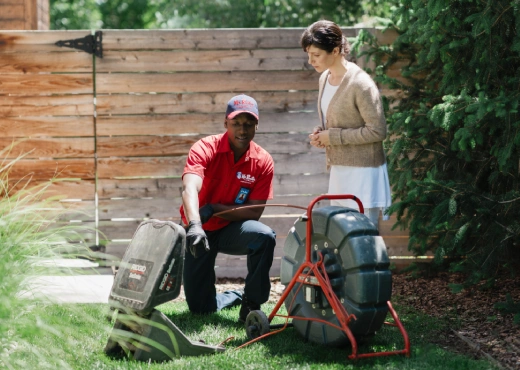
In areas near Notre Dame and Osceola, where older infrastructure is common, we frequently find multiple failure points in a single line. Our licensed plumbers use professional-grade camera inspection equipment to locate every failure point before recommending any repair. You watch the same monitor we do. The recommendation is based on what the camera actually shows, not an estimate based on age or symptoms alone.