Skip to Main Content Skip to Footer Content

Our Greater Syracuse Plumbing Blog

Shared Resources for Your Home Needs

Showing 43 Results for Plumbing Tips

Service You Can Trust!

Let us know how we can help you today.

About Mr. Rooter Plumbing

Mr. Rooter employee smiling and waving from a branded van.

Since the original Mr. Rooter was founded in 1970, the company has remained committed to a set of core values that are rooted in performing quality work at honest prices. Nearly half a century later, the original Mr. Rooter business is still servicing homes and businesses in and around Oklahoma City. It’s still independently owned and operated with strong ties to the community that made it all possible.

Learn More
\n

\"Banner

Table of Contents

\n
    \n
  1. How Does a Well Pump Work?
  2. \n
  3. Types of Water Well Pumps - Jet Pumps vs. Submersible Pumps
  4. \n
  5. Single Drop Jet-Pump System for Shallow Wells
  6. \n
  7. Double Drop Jet-Pump System for Deep Wells
  8. \n
  9. Submersible Pump System for Deep Wells
  10. \n
  11. What Size Well Pump Do I Need?
  12. \n
  13. Other Well Pumps to Consider
  14. \n
  15. Key Components to Consider
  16. \n
\n

If you live outside of town, chances are your home will have its own electromechanical system for drawing water from a well. According to the U.S. Census Bureau, over 15 million households rely on private wells for drinking water.

\n

The well pump, which extracts water from underground water sources, is the heart of that electromechanical system. It’s what provides your home with clean, safe drinking water.

\n

How Does a Well Pump Work?

\n

\"how

\n

A typical well water system lifts water from an underground well and delivers it to a storage tank where it’s pressurized and stored until it’s \"15needed. Most pumps are electric and use suction to draw the water through pipes. Most pumps also fall into one of the following two categories:

\n\n

Types of Water Well Pumps — Jet Pumps vs. Submersible Pumps

\n

There are as many different kinds of well pumps as there are requirements, although selection factors often depend on the depth of the water and the diameter of the well casing. Some pumps have special purposes such as boosting water pressure or offering a special water outlet, like a distillation system.

\n

Jet pumps pull water, while submersible pumps work by pushing water upward. Since pushing water requires less energy, submersible pumps are often more efficient for deep wells. Choosing a jet pump or submersible pump will likely depend on the depth of your well.

\n

\"wellDo I Have a Shallow or Deep Well?

\n

The first consideration is the distance water needs to travel to reach the surface. If your area has a stable supply of water near the surface or a high water table, it will be much easier to access water for your home. Deep wells, on the other hand, require additional considerations.

\n

Depth Considerations – Depending on Where Well Pumps Are Located

\n\n

To find out the depth of your well, check the well driller’s well report. If there’s no such report, you can determine water depth by tying a fishing bobber to the end piece of a string and lowering it until you feel the bobber floating. Take up the slack and mark the string.

\n

Single Drop Jet-Pump System for Shallow Wells

\n

Single drop jet pumps are the best shallow well pumps. They feature one-way check valves to keep pumps primed. The pump sits above ground, drawing water through a single inlet pipe. Because the mechanics are straightforward, they tend to need less maintenance.

\n

Jet pumps, the most common pumps for shallow wells, are mounted above wells and draw water up with suction. The height the water can be lifted depends on the weight of the air. Although air pressure varies with elevation, jet-pump-operated shallow wells are commonly limited to 25 feet.

\n

Jet pumps create pressure through the use of an impeller, or centrifugal pump. The impeller moves water — known as drive water — through a narrow orifice, or a jet, mounted in the housing in front of the impeller. Constriction of the jet causes the speed of moving water to increase. As water leaves the jet, a vacuum sucks additional water from the well. This additional pumped water combines with the drive water, discharging into the home at high pressure.

\n

The process of drawing water with shallow well jet pumps uses water. This means the pumps need to be filled with water before they can work. One-way check valves are installed to keep the water from flowing back down the well.

\n

Double Drop Jet-Pump System for Deep Wells\"how

\n

A deep-well jet pump also sits above ground, but it draws water through the use of two pipes — one to draw water from the well and the second to push water upward. The deep-well jet pumps are designed to extract water from depths up to 110 feet and require a foot valve to prime the pipe. Some models may include a tailpipe to ensure the well is never pumped dry.

\n

Deep-well jet pumps can draw water from depths greater than 25 feet when the jet is separated from the impeller housing and placed down in the water. The impeller drives water down into the jet’s body while the jet delivers water back up to the pump. Deep-well jet pumps use suction at the jet to bring water into the system, as well as the pressure generated by the impeller to lift water from the well and into the home.

\n

To keep the system from over-pumping the well, a deep-well jet pump will include a 25-foot-long tailpipe connected to the intake end of the jet housing. If the water level drops below the level of the jet housing, the tailpipe ensures the well will never be pumped dry. The greater the distance of the jet over the water level, the more efficient the pumping will be.

\n

As with shallow-well systems, a deep-well jet pump system needs to be primed with water. A foot valve at the bottom of the well keeps water from draining from pipes.

\n

Contact A Professional

\n

Submersible Pump System for Deep Wells\"a

\n

A deep-well submersible pump uses a pressure tank to draw water through a single pipe connecting the inside well to the home. A submersible pump can extract water from depths up to 400 feet, but it must be pulled from the well casing for repairs. Two-wire pumps feature built-in controls while three-wire pumps require a separate control box.

\n

Although jet pumps can still handle depths of several hundred feet, submersible pumps are typically more effective at greater depths. By moving the pump down the well, the pump no longer lifts the water but, rather, pushes it upward. A submersible pump won’t work, however, unless it’s completely submerged in liquid.

\n

Submersible pumps are cylindrical in shape, with the bottom half made up of a sealed pump motor connected to a power source above ground. The motor drives a series of impellers, used to drive water up the pipe. When a pressure switch is turned on, the impellers spin, which draws water into the pump. The water is then pushed through the pump body and into a storage tank at the surface. An adapter, connected to the plumbing system, regulates access to the well’s piping through the well casing, routing water from the pump into the home’s plumbing system.

\n

Unlike above-ground water well pumps, which experience a higher rate of mechanical problems due to the challenge of pulling water from a well, submersible pumps generally encounter fewer problems. Since submersible pumps lie underwater, they never lose prime, which can be a problem for above-ground pumps. Cavitation, which occurs when excess air or gas gets into the mechanical parts of the pump, is also usually not a problem for submersible pumps since the pumps lie deep beneath the water's surface and always have access to water.

\n

Although submersible pumps can be more efficient than jet pumps at delivering more water with a comparable motor, any problems with the motor may require pulling the entire unit from the well casing. Fortunately, submersible pumps are generally known for their reliability, often performing optimally for up to 25 years before needing to be serviced. Submersible pumps are an efficient and low-maintenance way to deliver safe drinking water into your home.

\n

What Size Well Pump Do I Need?\"3-4

\n

You will also need to determine the best pump size, depending on your water home needs. Pumps are rated in GPM (gallons per minute). A typical 3- to 4-bedroom home requires 8-12 GPM. When determining your home water needs, add one GPM for every water fixture in your home. Such fixtures include clothes washers, dishwashers, faucets, refrigerators, showers, and outdoor water spigots.

\n

Although you’ll need a large enough pump to meet your home water needs, an oversized pump will create energy inefficiencies and reduced performance. When replacing a pump, you should choose a unit with the same horsepower. However, additional horsepower may be necessary if you are adding new appliances or family members. The longer the distance to transport water, the more horsepower will be needed.

\n

If replacing a pump, you can check the identification plate on your pump to determine the horsepower. Keep in mind that submersible pumps may require either three wires or two wires, so you’ll to determine how many wires your replacement pump will need.

\n

Other Well Pumps to Consider

\n

Not all pumps require access to electrical energy. Other pumps options include solar, kinetic, pneumatic and manual:\"flooded

\n\n

Key Components to Consider

\n

Pump assemblies ordinarily include pump bearings, pump impellers (or rotary vanes), electric motors, pump motor bearings, internal pump check valves, and pump control switches. Key components to consider include the following:

\n\n

If your pump doesn’t turn off, it could indicate a problem with pressure switch settings. A pump also might not shut off if the well water is too low or if there’s a leak in the drop line.

\n\n

A pump that starts too frequently might indicate the need for recharging or even the possibility of a leak.

\n\n

Although most buildings generally require the same types of water pumps, special conditions may call for something more unique. Be sure to consider all of your needs before purchasing a well-water pump.

\n

Improving Your Well Pump’s Life Expectancy

\n

An above-ground, one-line or two-line jet pump can operate for a number of years before requiring replacement — as few as four to as many as 15 to 20. A submersible pump in low-sediment water can offer a 15-year life, although high-sediment water can cause pumps to fail sooner.\"sediment

\n

The following factors may affect the expected life of a well pump:

\n\n

If you’re concerned your well pump system isn’t working as it should, consider the following warning signs: \"problems

\n\n

Trust Mr. Rooter of Greater Syracuse for New York Plumbing Services

\n

Since 1970, Mr. Rooter Plumbing has been providing expert plumbing services and world-class customer service for residences and business. Since we are a full-service plumbing company, services include diagnosis and checkups, installation and upgrades, system maintenance and cleaning as well as emergency repairs and common plumbing services, such as drain cleaning.

\n

We offer the highest-quality plumbing throughout the greater Syracuse area, from Auburn to Manlius. Call Mr. Rooter Plumbing, and we’ll send one of our licensed plumbers to solve your plumbing problems. Services include:

\n\n

When it comes to installing, maintaining, and repairing well water pump systems, Mr. Rooter Plumbing of Greater Syracuse knows the importance of clean, safe water.

\n

Water Well System Maintenance

\n

Yearly checkups from Mr. Rooter Plumbing can help ensure the integrity of your well water system, confirm flow rate, and check seals and flanges for leaks. Service plans can save money on regular maintenance while catching problems early to avoid more expensive repairs.

\n

Emergency Well System Repairs

\n

When your well water system experiences problems, Mr. Rooter Plumbing can diagnose your system and get it up and running again quickly — even in the middle of the night.

\n

Well Pump Repair and Replacement

\n

Mr. Rooter Plumbing offers comprehensive expertise when it comes to home well pump repair. We also supply and install replacement well pumps from leading national manufacturers. Let us help you determine the best unit for your home and also develop a maintenance schedule to prevent future water well problems. We can help you design a new well water system to meet changing needs as well.

\n

If you need to repair or replace a well pump, or you would like to schedule a checkup, request an appointment today.

\n

Request Job Estimate

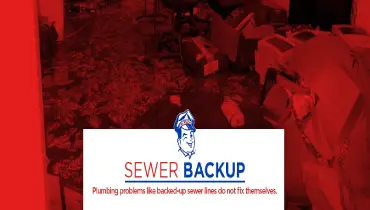
\r\n"}, { "custom_dt_modified":"2026-07-02T05:09:28Z", "custom_s_local_url":"/greater-syracuse/about-us/blog/sewer-backup/", "custom_s_opus_version":"2", "custom_s_heading":"What To Do When Your Sewer Backs Up", "custom_s_local_dba":"greater-syracuse", "custom_dt_created":"2019-05-01T00:00:00Z", "custom_s_category":"plumbing-tips", "custom_ss_category":["plumbing-tips"], "custom_s_article_summary_Image_url":"/us/en-us/mr-rooter/_assets/images/mrr-blog-damaged-home-with-text-about-sewer-backups.webp", "custom_t_content_summary_Desc":"Plumbing problems like backed-up sewer lines do not fix themselves.", "custom_t_content_summary_Image_url_alt":"2-What-Is-a-Sewer-Backup.jpg", "custom_t_heading":"What To Do When Your Sewer Backs Up", "custom_t_content":"\"Damaged\n

Table of Contents

\n
    \n
  1. What Is a Sewer Backup?
  2. \n
  3. Early Signs of a Sewer Line Backup
  4. \n
  5. Indications of an Emergency
  6. \n
  7. What Causes Sewer Backup?
  8. \n
  9. Factors You Cannot Control
  10. \n
  11. Causes You Can Control
  12. \n
  13. What to Do When Your Sewer Backs Up
  14. \n
  15. How Our Plumbers Clear Backups
  16. \n
  17. How to Prevent Sewer Backups
  18. \n
  19. Correct Drainage Problems
  20. \n
  21. Prevent Tree Root Problems
  22. \n
\n

Plumbing problems like backed-up sewer lines do not fix themselves. If you have a problem with your home's wastewater line, you need to repair it promptly to prevent the slow flow from completely blocking all drainage from your home. An entirely stopped sewer line can cause wastewater to overflow into your home, creating a health hazard and a cleaning headache. Learn how to prevent this issue, recognize when the problem occurs and what to do if it happens.

\n

The exact solutions will depend on whether your home or business connects to a municipal sewer line or if you have a septic tank. Both options process wastewater, but they use different means of doing so. A backup in either can cause severe contamination of your home by reversing the flow of germ-laden sewage, causing toilets to overflow and sinks to back up.

\n

What Is a Sewer Backup?

\n

\"Flooded

\n

Your home has incoming water lines and outgoing sewer lines. The sewer, or wastewater, lines need to move the used water from your washing machine, tub, shower, toilets and sinks away from your home. When the waste line gets blocked or breached, water will back up into your home. The results of water coming into your home include contamination, mold growth and water damage, to name a few.

\n

Early Signs of a Sewer Line Backup

\n

\"Plumber

\n

\"causes

\n

When your sewer line begins to have problems, you may notice subtle signs. While you may find it easy to ignore these early signs of a backup, you should not. Treating the problem early before you have sewage overflowing into your bathroom is your best choice.

\n

Slow drains throughout the entire house are a crucial sign you have a building problem in your sewer line. If only one pipe has a problem, you can typically repair it on your own with a hair remover or a plunger. However, when an issue appears simultaneously in multiple drains, you have a sewer line problem. Another sign of a sewer drain issue happens when waste backs up into another pipe when you flush the toilet or use a washing machine. When waste comes up and overflows drains in your home, you don't have a minor problem. You have a more significant issue.

\n

Indications of an Emergency

\n

\"Plumber

\n

Sometimes, identifying an urgent situation with your sewer will help you know if you have a problem you can wait for a plumbing company to open or if you need emergency repairs. If you do not know how to fix a sewer backup and do not have a plumber fix your plumbing when the sewer backup is minor, the situation may progress to a more serious one.

\n

Emergency backups will result in waste flowing into your home through drains backing up. In some cases, your toilet may back up, sending germ-filled liquid onto the floor of your bathroom. Do not take this situation lightly. Human waste creates a biohazard, and you will need to avoid the area until you can get it thoroughly cleaned and sanitized. You should also prevent everyone in your home from using the plumbing until you can get the drainage system repaired. That's why having an emergency number for an area plumber close by is critical to restoring your home.

\n

What Causes Sewer Backup?

\n

\"Plumber

\n

Due to the age of the nation's plumbing system and the increasing number of homes, sewer line backups are rising at 3 percent each year. Several things can cause a sewer backup, many of which you have no control over. If you want to know how to prevent a backup in your waste line, you need to know the causes you can and cannot control.

\n

Factors You Cannot Control

\n

\"Flooded

\n

If your drain backs up, it might not be your fault or your problem to fix. Sometimes, the city sanitary sewer clogs or drains slowly, causing water to back up into your home. City lines could fail from a few causes. You can tell the problem comes from the municipal sewer lines if the cleanout near your house is full of water, indicating a drainage problem from your home to the city sewer. An empty cleanout means the drain problem is closer to your home.

\n\n

While these causes are out of your hands, you will not have any warning when a sewer backup happens for one of these reasons. The bright side of the situation is if the city's sewer is at fault, you won't have to pay to have your plumbing repaired unless other damage occurred to your home plumbing.

\n

Causes You Can Control

\n

Some causes of backup are the fault of your plumbing or the surrounding environment. You have more agency in preventing backups from these causes, but if one of these factors does result in a backup, you will need to call a professional plumber to fix the issue.

\n\n

What to Do When Your Sewer Backs Up

\n

If you have a sewer backup, you need to act quickly. For slow drains, do not use liquid drain cleaners. These products may not clear the drain, especially if a physical blockage comes from a damaged drain line or tree roots. Additionally, the chemical drain treatment could cause further damage to the pipes, or to a plumber when they come to repair your system.

\n

Instead of resorting to chemical treatments for slow-moving drains, try to plunge out the clog or use a tool designed to remove hair from pipes. If neither method works, call a plumber to fix the issue. You may have a more significant problem that needs more tools to repair.

\n

For severe backups that send waste into your home, you need to shut off any water going into the drains. Also, turn off electricity if the wastewater gets near electrical outlets. Turning off the electricity to your home is always the safest choice, but if you know the correct breaker or fuse to turn off, you can shut off power to the flooded parts of your house only.

\n

Put on safety gear — including heavy-duty rubber gloves, boots, goggles and a face mask — before entering the contaminated area. To clean up the flooded space, use a shop vacuum to remove liquids and solids. Use the wet-dry setting to accommodate the waste. Use disinfectant on solid floors and walls. A sewer backup in the basement is easier to clean compared to floods in carpeted living areas.

\n

For areas with absorbent materials such as wood or carpet on the walls or floor, remove and discard material. Depending on how high up the walls the water reached, you may also need to pull out the wall paneling to prevent mold growth. Check with your local area about disposing of the waste collected and anything else contaminated by the flooding wastewater.

\n

Until a plumber fixes your drain, you cannot use the sinks, tubs, toilets, showers or water appliances in your home. Each time you use these, the excess water must flow away from your home through the drainage system. If you have not gotten your plumbing fixed, the water will back up into your home. Because everyone uses a toilet at least once a day, getting a plumber to your home for repairs is vital to restoring normal operations in your house.

\n

How Our Plumbers Clear Backups

\n

When you call for a plumber, they will come to your home to evaluate the situation and clear your sewer line. Our professionals have many techniques available to repair backups, depending on the cause. We can also help you fix any problems in your plumbing to prevent future problems.

\n

Hydroscrub

\n

Water and waste lines need a gentle touch when clearing them to prevent breaking. The need for a soft touch is especially true of older pipes. Using plumbing snakes traditionally moves a twisting metal coil through your drain until it breaks a hole in the clog, allowing water to move out. When misused, though, plumbing snakes may not clear a clog or only temporarily remedy the problem. To solve these issues with standard pipe snakes, we changed our methods to include the Hydroscrub system. This system safely clears a clogged drain using high-pressure water. Even tree roots are no match for the force of the water our system sends into the drain line.

\n

Unlike other plumbers, who use snakes to physically remove a clog with a metal probe, our Hydroscrub system uses water to more effectively clear drains. Standard snakes create a hole in the blockage to allow water to pass through, but the Hydroscrub system prevents future clogs. With the extra clearing power of high-pressure water, the Hydroscrub system completely clears out drain lines, including any buildup on the sides of the pipes. Removing the buildup inside the pipes increases the length of time before another clog forms in your pipes. For longer-term maintenance, we can also treat your drain lines with a degreasing agent to prevent future buildup.

\n

Replacing Sewer Lines

\n

If you have a breach in your sewer line, you will need to get the segment repaired or replaced. These services are the last resort, and they should not be the first thing a plumber looks for when evaluating a slow or backed-up drain. However, some telltale signs will indicate to your plumber that you have a hole in your sewer line and need the line repaired or replaced. These signs include the following.

\n\n

To evaluate the extent of the problem, our plumbers may use cameras or dyes to find out where the hole is and how large it is. The information from these tests will let our plumbers know what they need to do to fix your problem, whether it's replacing or repairing it.

\n

If you have an aging or broken sewer line, we can replace it with a stronger, longer-lasting option made of durable plumbing-grade plastic. These pipes are better able to divert the growth of tree roots to prevent cracks inside the drain. If we must replace your drainage pipe, we will not need to dig a deep, long trench in your yard. We have an innovative trenchless sewer pipe installation method that makes the lowest impact possible on your landscape by repairing your pipes from the inside out.

\n

Septic Clearing

\n

Another problem you may have that could cause backups is a clogged septic system. Never try to clean out your septic tank without a plumber. The anaerobic bacteria inside the septic tank will die, and the system will stop working if you expose the contents to air. Moreover, you will release the smell of waste from inside the tank. Our plumbers will first determine if your septic tank caused the drainage problem. Secondly, we will repair the issue to restore waste flow.

\n

How to Prevent Sewer Backups

\n

While you cannot stop a poorly designed municipal sewer from backing waste into your home, you do have options for preventing backups from other causes. Because some of the reasons for sewer backups are under your control, you can also avoid the problem entirely.

\n

Old Sewer Lines

\n

\"Old

\n

While you may not immediately develop a problem with older sewer lines, you likely will in the future. Plumbers typically used either cast-iron or clay pipes decades ago. Both materials are more brittle than the modern plastic piping available. Tree roots can quickly infiltrate these types of pipe material, and they are susceptible to cracking from shifting of the surrounding soil. If you still have old drain lines, consider having them replaced.

\n

Yes, replacing your sewer drain with new piping material is a crucial decision. However, you will free yourself of the worry of one day waking up to a broken sewer line in your yard. Thanks to our trenchless pipe replacement system, you will experience less disruption to your lifestyle and yard. Consider investing in replacing your sewer line today to prevent severe backup problems in the future.

\n

Properly Dispose of Waste

\n

To avoid clogs from solid items going down the drain, know what you can and cannot pour down drains or flush in toilets. You will be able to both prevent local clogs in your pipes, as well as backups for your whole home.

\n

For drains, never pour grease down the drain. While warm, grease or oil flows smoothly as a liquid. As it cools, however, it solidifies, into a drain-clogging mass. If this clog happens in the main sewer line, you could experience a backup. Check with your local waste authority for the proper procedure for throwing away used household grease or oil.

\n

Remember, your toilet is not a trash can. Do not flush anything other than toilet tissue and human waste. Paper towels, feminine products, diapers and baby wipes all can readily clog a toilet or sewer line. Even products labeled flushable, such as wet toilet cloths, can create problems in your drainage system. Keep a trash can in your bathroom for all these products to prevent clogs and worse.

\n

Correct Drainage Problems

\n

\"Sewer

\n

The next time you experience heavy rains, the systems you have in place for preventing basement flooding could inundate your drainage system and cause backups. The potential for flow reversals in your drains explains why flooding control systems should not drain to your sanitary line. If you have such a connection, your home is not up to inspection code. If you have illegally connected French drains or sump pump outlets, have one of our plumbers bring your system up to code.

\n

Correcting drainage connection problems will help prevent basement flooding from rains, as well as reduce the likelihood of sewage backup into your home. Additionally, if you have any plans to sell your home in the future, repairing these problems now will take one more thing away that you would need to fix to bring your home up to code to sell it.

\n

Prevent Tree Root Problems

\n

\"Person

\n

Tree roots growing through pipes can seriously undermine your drainage system. Due to the far-reaching nature of some trees' root systems, however, you may not be able to solve the problem merely by not planting trees near your sewer line. There are a few ways to reduce the chances of roots breaking your sewer lines.

\n

If you have older lines made of clay or cast iron, replacing them with plastic can prevent serious tree root problems. The smooth plastic of newer piping allows tree roots to grow around it, rather than through it. If you do not feel prepared to replace older sewer lines yet, consult with a tree professional about cutting roots growing near your sewer line. Do not attempt this task yourself, because finding where the roots are and cutting them in such a way that it does not harm the tree are difficult tasks for those who are not experts.

\n

Contact Mr. Rooter of Greater Syracuse for New York Plumbing Services

\n

\"Mr.

\n

Sewer problems can ruin your day. If you need emergency repairs to your sewer line or for any other plumbing problems, contact Mr. Rooter of Greater Syracuse. We have licensed plumbers who can come to your home to evaluate your problem and repair your sewer lines.

\n

Sewer backup cleaning often needs unique equipment homeowners don't have. Our plumbers have the equipment and experience they need to solve your home plumbing problems. Because we know plumbing problems often occur at the least convenient times, we offer 24-hour emergency service. Call us at Mr. Rooter Plumbing seven days a week, at any time of the day or night, to get a plumber out to your home to repair your sewer problem. If you don't have an emergency, but need help with sewer backup prevention or another plumbing maintenance service, use our online contact form to reach us.

\r\n"}, { "custom_dt_modified":"2026-06-02T18:14:48Z", "custom_s_local_url":"/greater-syracuse/about-us/blog/what-s-the-best-toilet-for-my-home-/", "custom_s_opus_version":"2", "custom_s_heading":"What’s the Best Toilet for My Home?", "custom_s_local_dba":"greater-syracuse", "custom_dt_created":"2016-03-01T00:00:00Z", "custom_s_category":"plumbing-tips", "custom_ss_category":["plumbing-tips"], "custom_s_article_summary_Image_url":"/us/en-us/mr-rooter/_assets/images/mrr-us-blogs-whats-the-best-toilet-for-my-home-(2).webp", "custom_t_content_summary_Desc":"Toilets do an undeniably essential job that nobody wants to think about more than absolutely necessary. These reliable utilities h", "custom_t_content_summary_Image_url_alt":"whats the best toilet for my home.webp", "custom_t_heading":"What’s the Best Toilet for My Home?", "custom_t_content":"

Quick Answer — How to Choose the Best Toilet for Your Home:

\n\n

\n

\"whats
Toilets do an undeniably essential job that nobody wants to think about more than absolutely necessary. These reliable utilities help keep our society civilized and safe.\"leaking

\n

If you’re in the market for a new or replacement toilet, you’re naturally wondering: Which is the best toilet for my home? There is no single answer to this question. Everyone defines “the one” differently, according to their preferences, standards, and concerns.

\n

Toilets are perhaps our most-used utility, yet are not often addressed as a consumer topic. While you don’t want to think too much about what happens in that part of the bathroom, a well-rounded knowledge of toilets can benefit you and your family in many ways.

\n

One of the main benefits is having a quality utility that you can rely on and won’t worry you. You can conserve water and save money on your water bill thanks to better efficiency, too. A good, basic toilet education enables you to pick the toilet that does everything you want and nothing you don’t want.

\n

Knowing and researching toilet technology also brings you to the right toilet for you and your household, giving you peace of mind. You won’t wonder if there was another type that suits your needs or a technology that does what you have in mind. A toilet is such a personal, intimate, and fundamental part of our lives that it makes sense to choose new or replacement units carefully. You want to consider all the choices when it’s time to upgrade or replace a worn part.

\n

Consider how crucial toilets are not only to harmonious home life but also to greater sanitation. The World Health Organization reports that some 2.4 billion people do not have access to flush toilets, about 32 percent of the global population.

\n

WHO states that poor sanitation is linked to cholera, dysentery, hepatitis A, typhoid, polio, and intestinal problems. From an American perspective, it is hard to believe there are an estimated 280,000 deaths annually caused by poor sanitation.

\n

Choosing the Right Toilet Is an Important — and Often Challenging — Decision

\n

The average person flushes the toilet about five times per day, which equals roughly 1,825 flushes per person, per year. For a family of four, that totals 7,300 flushes annually. It is easy to see how those numbers get exponentially higher for families with more people or in homes where you host a lot of guests, such as a weekend cabin or lake house.

\n

Your toilet is probably the busiest utility in the house — and the most important in terms of sanitation. Among the “worst things” we imagine can happen around the house are backup, overflow, or other problems with the toilet. We mostly want to go, flush and not think anymore about it, but everyone recognizes the importance of having toilets that not only work well and reliably but also conserve water and help families save money.

\n

Choosing the right toilet for yourself and your family involves many personal preferences and decisions. It never hurts to make a mental list of the features you want in a toilet, identifying which are essential and which are negotiable.

\n

Mr. Rooter can help you understand the full array of choices and make a good match between your needs and the toilets available on the market. As this partial list demonstrates, the sheer number of toilet manufacturers can come as a surprise to many people:

\n\n

The Basic Parts of the Standard Toilet

\n

Many components and utilities work together to make a toilet function. We tend to be most familiar with what we can see, but basic parts include those inside, underneath, and attached to the toilet, whether through the floor or wall.

\n

Most toilets include:

\n\n

Depending on the age of the toilet, it might have a float mechanism — a plastic arm or chain-and-rubber flapper — inside the tank. Newer-model toilets commonly have a piston, canister, or tower setup that uses some type of vertical valve to create pressure.

\n

A lot of older float-style toilets have the valve in a position that allows the rubber flapper to get hung on the side of the tank, which causes the toilet to “run.” A vertical-valve system practically eliminates that problem and the need to jiggle the handle, so they have become the preferred choice of many.

\n

The majority of toilets use gravity and a flush valve that might range in size from a two-inch-diameter valve to one that are four inches wide. Bigger valves such as the three- or four-inch sizes can often mean greater flush power. Some might be able to gauge the size by looking at the valve, but you can usually find and check the exact size of the flush valve in the owner’s manual or manufacturer’s specifications.

\n

Know Your Types of Toilets

\n

One-piece toilets have a connected tank and bowl. They tend to be a bit smaller and sleeker than the two-piece models, and most people find them easier to clean.

\n

Traditional, two-piece toilets have a separate tank and bowl that connect and are secured to the floor with two or three strong bolts and create a level connection between the two pieces.

\n

There are three, basic toilet-bowl shapes:

\n
    \n
  1. Round, 16-17 inches long — This plain, standard, round-shaped bowl is usually a good size for children and is often found in older homes or structures. There are many manufacturers that offer true, child-sized toilets as well, which can later be switched to a normal size with the same plumbing. Sometimes the round bowl is abbreviated as “PB,” for the plain bowl, and its size is ideal for compact bathrooms.
  2. \n
  3. Elongated, 18-19 inches long — This is the common standard for adult use and is required in most plumbing codes for commercial buildings. It adds a little more space than a round and is more comfortable for full-sized adults. You might see this type of toilet by the abbreviation “EB,” for the elongated bowl.
  4. \n
  5. Compact elongated — This is roughly the same size as a round toilet but shaped in slightly more of an oval for better comfort and function. It often comes in a size that might be an inch or two bigger than the round, yet not quite the size of a fully elongated model.
  6. \n
\n

If you want to replace the toilet seat, measure the existing one, as opposed to an eyeball estimate. Start the measurement from the longest and widest points and go across the toilet seat to the opposite long-wide points.

\n

The standard height from floor to seat is 14 or 15 inches, but many models offer choices of taller heights for added comfort and ease of use. ADA-compliant bathrooms, for example, have a taller-than-standard toilet, which can benefit anyone who might have challenges getting up and down.

\n

Generally, older adults and people with physical challenges such as joint pain or injuries can benefit from having a shorter distance between sitting and standing. There are plenty of other reasons a taller-height toilet might make sense for many families.

\n

Keep an eye on overall height, too, especially if there is or will be any kind of shelf or vanity above your toilet. Standard, overall heights for toilets are normally expressed in inches from the floor to the top of the tank and include a few ranges:

\n\n

There are many different types of toilets in the marketplace, and the more you know about them, their features and what they do, the more satisfied you are likely to be with your decision.

\n

The Different Types of Flushes

\n

The technology inside the tank of a toilet continues to evolve, but all toilets use gravity, water, air and shape to create the flush force. You push or pull a lever or button that is normally mounted to the front, side or top of the tank.

\n

When you pull the lever or push the button, water runs into the toilet from the rim or a hole at the inside bottom of the bowl, or from both places. This water carries waste away to the sewer drain or septic tank. There are multiple mechanisms and strategies used to achieve the task.

\n

In many cases, there are other kinds of technology that build upon the traditional:

\n\n

Only you can decide what flushing technology is best for you and your family. It is an important decision, and it pays to weigh the pros and cons of each type. For example, a toilet with a pressure-assisted flush saves water but has a noisy flush compared to other types. The noise may be louder on a pressure-assisted toilet, but it makes noise for less time, lasting only a few seconds.

\n

How a Toilet Works

\n

We all know the basics. In most toilets, the flushing technology works when someone pulls the outside lever or presses a button. The tank valve opens, and water rushes into the bowl to carry away the waste using one of the flushing technologies.

\n

If you’re attached to a municipal wastewater system, the material gets carried to a treatment plant, where solids are separated from liquids, and both get treated before being released.

\n

Water will be treated and either reused or released into a waterway. Solids become sludge that is treated and used for many purposes such as to fertilize farm fields, become refined into home-and-garden food or enrich the soil in forests or reclaimed land that has been strip-mined or otherwise depleted.

\n

As toilet technology advances, there are more improvements in how a toilet works. You’ll find better-performing basic components, as well as many enhancement options to fit different preferences and lifestyles.

\n

For example, Kohler offers a proprietary technology, AquaPiston®, that uses water and gravity as a flush engine, powering a better flush and cleaner bowl. It includes a special seal to resist the conditions that usually cause leaking and the dreaded “jiggling of the handle” when the seal doesn’t sit correctly.

\n

Other models have technology that distributes the water from the bowl in a variety of ways, exposes less seal material to prolong their life and uses smaller seals to reduce leakage potential. Whatever kind of mechanics or aesthetics you would like, chances are, you’ll find it.

\n

Analyze Your Space and Specs

\n

People consider a list of features as they shop for a new toilet, and each buyer decides for themselves which characteristics take priority:

\n\n

To choose the right model, you’ll want to know your rough-in size, which is the distance between the wall and your discharge pipe. If you measure the distance yourself, be sure to work from an actual wall and not the baseboard trim that runs around the base of the wall.

\n

Rough-in sizes are 10, 12 and 14 inches, with the 12-inch being standard and most prevalent. Other standard dimensions for toilet installation –include:

\n\n

Once you assess the dimensions of your space, ask yourself some questions. What bugs you about the toilet you have now or had in the past? Do you want the most water-efficient model you can get, or is the flush force what concerns you most? Do you desire a sleek, tank-less model mounted on the wall so it floats over the floor?

\n

Maybe a quiet flush is important to you or other family members. In that case, you would want to be aware that pressure-assisted toilets make more noise than a gravity-based model. The nearly obsolete vacuum-assisted models can also make more noise than other models.

\n

Some toilets leave the bowl cleaner than others, and that will probably be an important feature to the person responsible for regular toilet cleaning. The models that send all the water from the rim tend to rinse well, but so can some of the designs that distribute the water more effectively or might use pressure power to clean the bowl.

\n

As you look for the right toilet, it is a good time to replace aged supply lines. Most experts recommend a switch from stiff, chrome lines to the flexible type. Those same professionals would advise you to have a water shutoff valve at the toilet, so consider adding it if your toilet doesn’t already have one.

\n

Determine Toilet Budget and Needs

\n

Toilet prices range from about $200 to $5,000, and in some cases, more depending on the setup, improvements and design you may have or want. Some people tend to look straight at the price and go with the lowest one. On the other hand, many people prefer to make a medium or large investment to get a quality toilet with all the features they want.

\n

How long will a toilet last? The tank and bowl components, usually made of glazed china, can last 100 years or more, while other components last an average of five years, according to the International Association of Certified Home Inspectors. Just about all the components of the toilet — besides the bowl and tank — will need maintenance or replacement at some point, including:

\n\n

Some families may need a toilet to suit a range of special needs and members who may be very young, elderly, arthritic, tall, short, big or small. To others, a strong and reliable flush may be the first priority. Many people see design and clean lines as the top concern, and they want a toilet that complements the rest of the bathroom.

\n

Water conservation might be most important to many households. A water-conserving toilet will generally cost more upfront than a traditional one, but you will recover those costs within a few years since you won’t use or pay for as much water. Maybe the bathroom is small and needs a space-saving option with the water closet built into the wall, or perhaps you prefer an antimicrobial finish or a specific kind of flushing mechanism.

\n

We don’t talk much about flushing as a society, but nobody likes a clog. It is an unwavering expectation that when we depress that lever, everything will go where it is supposed to go, reliably and with no further thought.

\n

It stops us in our tracks to hear the dreaded gurgle that means the toilet didn’t fully flush, and some shoppers will consider it worthwhile to invest in whatever technology keeps the plunger away. That might mean a pressure-assisted model or a non-siphonic type that has a bigger trapway.

\n

Part of deciding what toilets you may need and how much to spend on them involves thinking about your family’s bathroom habits, which circles back to topics not often addressed. There are a few distasteful but handy facts to consider for toilet-shopping research.

\n

Experts say an average person produces about three to eight ounces of solid waste daily. It is considered normal to excrete waste anywhere from twice a day to once every three days. These approximate averages are the basis upon which toilets are configured and give us a snapshot of average capacity. For those who desire it, many toilet models offer greater-than-average capacity.

\n

Toilets That Save on Water — And Save You Money

\n

A family of four uses about 400 gallons of water per day, approximately 70 percent of that is for indoor use, and an estimated 30 percent of indoor water use is the toilet. The U.S. Department of Energy states that a toilet must not use more than 1.6 gallons per flush, and so no current models are designed beyond that capacity other than some commercial applications.

\n

Standards are more stringent in many states including California, Colorado, Georgia and Texas, where the maximum is 1.28 gallons per flush. Some people opt for these models because they save water as well as money on the bill.

\n

The toilets using less water than the standard usually have a WaterSense label or other mark of high efficiency such as HET — high-efficiency toilets. Water-conserving toilets typically use 0.60, 1.0, or 1.28 gallons of water per flush and feature some type of pressure assistance.

\n

The news of droughts, water rationing, and disputes over water rights show that water conservation continues to be a concern. Older toilets use anywhere from 3.5 gallons to seven gallons per flush, depending on their age.

\n

The Environmental Protection Agency states that if all the older-model toilets that use a lot of water were replaced with a WaterSense toilet, the water saved in the United States would total around 520 billion gallons per year. That is about the same amount of water, says the EPA, as what flows over Niagara Falls in a 12-day period.

\n

The agency also says “the average family” can achieve savings of about $110 per year in water expenses. That same family, presumably four people, could save 13,000 gallons of water per year, an average savings between 20 percent and 60 percent.

\n

As the focus sharpens on water conservation, experts realize that we’re flushing away a lot of perfectly good water. Responses to that concern have brought great, new technologies to use less water and make sure the job gets done.

\n

The dual-flush toilet is the solution for those families who want power, conservation and options all in one toilet. With a long list of brand choices, there are hundreds of kinds of dual-flush toilets from which to choose.

\n

Plenty of Features to Choose From

\n

Dual-flush and conservative toilets are among the few features you’ll find on today’s toilets. Other features include:

\n\n\n

If you’re interested in touch-free flush technology, keep an eye on the ones that interest you to see if that option is offered. If not, you can investigate using a kit to convert it, but you need to make sure the toilet you choose is compatible with a touch-free kit.

\n

How you flush can also vary from the standard lever mounted on the left front. You can flush with a simple button at the top, in the tank lid, on the wall, on either side of the tank and even remotely. Whatever your preferences and bathroom design may be, there is likely a lever position for them.

\n

As you shop for and look at toilets, you’ll notice that models, lines and series have special names. With about 1,000 possible combinations of toilet choices across all the brands, it is good to know the manufacturer, design name and any corresponding numbers so you can find that model again. Some shoppers make a list of models they want to compare and jot down the features of each. For example, your noted description might include “Kohler, Portrait style, model #K-xxxx, with comfort height and

\r\n"}, { "custom_dt_modified":"2026-06-02T18:12:19Z", "custom_s_local_url":"/greater-syracuse/about-us/blog/the-home-buyer-s-checklist-what-to-look-for-when/", "custom_s_opus_version":"2", "custom_s_heading":"The Home Buyer’s Checklist: What to Look for When Buying a House", "custom_s_local_dba":"greater-syracuse", "custom_dt_created":"2015-07-01T00:00:00Z", "custom_s_category":"plumbing-tips", "custom_ss_category":["plumbing-tips"], "custom_s_article_summary_Image_url":"/us/en-us/mr-rooter/_assets/images/mrr-blog-the-home-buyers-checklist-370.webp", "custom_t_content_summary_Desc":"Buying a new home can be really exciting, but also a bit overwhelming. There’s a lot to consider. In fact, there’s so ", "custom_t_content_summary_Image_url_alt":"Home Buyers checklist flyer", "custom_t_heading":"The Home Buyer’s Checklist: What to Look for When Buying a House", "custom_t_content":"

Quick Answer — What to Look for When Buying a House:

\n\n\n\n\n\n\n\n\n\n\n\n\n\n\n\n\n\n\n\n\n\n\n\n\n\n\n\n\n\n\n\n
CategoryWhat to Inspect
StructureFrame, foundation, roof, drainage
SystemsHVAC, insulation, fireplaces, fixtures
PlumbingShut-off valve, pipes, water heater, water pressure, sewer/septic
InteriorKitchen appliances, bathroom condition, windows, flooring
ExteriorDriveway, sidewalk, water runoff, neighborhood
FinancialDown payment, mortgage rate, property tax, insurance
\n

\"Home
Buying a new home can be really exciting, but also a bit overwhelming. There’s a lot to consider. In fact, there’s so much to consider that it’s easy to forget to inspect little things and overlook some problems that are staring right at you.

\n

Having a checklist of items to review can help you ensure that you give every part of that new house you're considering the eagle eye. What’s on that checklist depends in part on the age of the home you’re considering.

\n

Are You Looking for a Brand New House?

\n

You may be tempted to think that only older homes have problems. Old age is a problem for anything, including homes, but new homes pose particular challenges.

\n

In an old home, tenants have had the opportunity to address existing problems. In a new home, those problems are all yours. So you have to start by knowing that the builder is experienced and has done a first-class job on your home.

\n

Here are some of the things you should look for when buying a brand-new home.

\n

Structure: Is the frame of the house aesthetically correct? Does the frame lean even slightly? Have a look from both outside and inside the home. Do all of the corners appear to meet at perpendicular angles? Try jumping up and down. Is the flooring solid? Anything that appears or feels out of place deserves further attention.

\n

Water: Where will rainwater go? Homes need to be designed with rain gutters and drainage that carries water away from the house. If the house has a basement, you have to ensure water won’t pool and find its way into the basement. If you know it’s been raining recently, see where the ground is damp. If there are any standing pools of water, think about how the home will handle a heavy downpour (or snowmelt).

\n

Roofing: The roof is one of the most important parts of the house and it has to have structural integrity. You absolutely don’t want to be in the position of finding leaks in the roof or having shingles or tiles dislodge in the next storm. You don’t want to see any cracked or curling tiles. You definitely don’t want to see any holes. Roofs often last at least two decades and you’ll need to budget for roof maintenance over time.

\n

Heating: There are many types of heating (and cooling) systems for homes. Some rely on geothermal systems, while others rely on natural gas or other energy sources. If there’s a furnace, where is it? Is there any problem with its location? Does heat reach every room, or do some rooms stay cold even with the heat on? Should you need to replace a furnace, you’re looking at $3,000 to $5,000 or more. Find out if the furnace is expected to last 10 years or more than 20 years.

\n

Insulation: The amount of insulation you need depends on the weather in your region. If your winters are cold, you need 12 inches of fiberglass insulation (known as R-38). If your area doesn’t get particularly cold, then 6 inches (R-19) will suffice. New insulation can run about $1,000.

\n

Fireplaces: If there’s a fireplace, check to see if it has a screen or a glass door or doors. Either is sufficient for safety, but you should know that glass doors are more energy efficient. Check to see if the chimney has a spark arrestor at the top.

\n

Whether or not the home you’re considering for purchase is brand new or decades old, you need to proceed systematically through the home and consider each of the various areas for problems. Some problems are common, some are unusual, but every problem needs a solution.

\n

The Kitchen

\n

Having covered some of the problem areas already, let’s focus on the rest of the house and start with the kitchen. You spend a lot of time in the kitchen and it’s one of the most dynamic areas of any home.

\n

When considering a checklist for the kitchen the first item on the list should be an assessment of whether or not you like it. Is it functional? Does it work for you? Some people need an island; others are happy with ample counter space. If the design is to your liking then you can move on to the potential problem areas.

\n

When you examine the kitchen carefully, if you see a need for remodeling then you should keep in mind that kitchen remodeling is the most expensive part of a house to remodel. Know that an average kitchen remodel costs between $18,000 and $50,000. You also have to factor in the time and mess that goes with a kitchen remodel.

\n

Have a look at the floor. If the flooring is wood, it probably looks great. But there’ll be times when you will have spills in a kitchen and water can quickly damage a wood floor. Eventually, it will need to be replaced, which entails an additional cost and inconvenience.

\n

If the kitchen floor is tile, that’s great for durability, but remember that tile can crack or chip, and also the grout between tiles can chip or break apart. The tile is also slippery when wet — depending on the lighting in the kitchen, it may be difficult to see a spill before you step in it.

\n

The main hardware in the kitchen includes the appliances: the stove, refrigerator, oven, dishwasher, and sink. The most expensive of these is the refrigerator, so start there. Make a decision about the quality of the refrigerator and how long it’s likely to last. Your choices for replacing it may be limited if you want it to match the other appliances.

\n

Also, have a look at the stove and see if it uses natural gas or electric burners. Many people like natural gas and believe that electric burners don’t cook as evenly. Other people don’t care. Just be honest with yourself about which type of person you are and determine if you think the stove will fit your needs.

\n

If the appliances are old, you’ll need to understand if they are under warranty and how long you should expect them to be serviceable before it will be time to invest in new appliances.

\n

Counters and cabinets complete the kitchen. It will be nice for your budget if you like the cabinetry because even inexpensive cabinets run more than around $4,000. Counters come in two styles: laminate or solid surface. Solids are more durable, while laminates can chip and stain over years of use.

\n

The Bathrooms

\n

Checking on the pipes in the bathrooms is one of the many plumbing things to look for in a new home. You have to ensure that there are no leaks in any pipes that connect to the bathroom.

\n

You or a plumbing expert can peek in the access panel behind a bathtub and check for signs of leakage. If a bathtub is on the second floor, check the ceiling underneath the tub for signs of water damage. Remember that pipes can channel water over a considerable distance from the main source, so a sign of water damage might not be directly under the tub.

\n

Bathroom remodels can extend beyond $10,000 and cause everyone to use the second bathroom, if there is another bathroom. So you have to proceed with a lot of caution if you think you’re going to buy a home and then gut and replace the bathrooms.

\n

Air Conditioning

\n

Some people can live comfortably without air conditioning, but in most locations, having a functioning air conditioner is really a necessity. Central air conditioning is more efficient and more cost-effective than units mounted in windows or wall units. But central air conditioning is more expensive to repair or replace.

\n

When you inspect a home that you’re considering, test the air conditioning and see how effective it is. A central air conditioning system that needs to be replaced will add several thousand dollars to your total price.

\n

For wall or window units, double-check for signs of water damage nearby. Particularly in humid environments, you have the chance for developing mold, and that’s a whole new set of problems you don’t want.

\n

Windows

\n

Your windows are your literal windows to the world, but if they are inefficient single-pane windows they will cost you money. The newer double-paned windows are more energy efficient and also add value to the home. They’re not cheap though. Double-paned windows run about $600 for a typical unit and more for larger sizes.

\n

Be sure that you open and close every window. The movement should be smooth, with no sticking points. Any work that needs to be done to get the windows working properly needs to be budgeted as part of your overall expenses.

\n

Driveway

\n

The first thing you see when you pull up to your potential new home is the house itself, but you’re going to spend a lot of time in its driveway too. The driveway should be evenly paved and you should take note of any obvious cracks.

\n

Sometimes driveways are constructed in separate slabs of concrete. In that case, one or more of the slabs may have sunk lower than the others. That’s another possible problem, which sometimes results when water gets under the slab and soaks the foundation below.

\n

If you do identify problems, see if you can determine how stable the driveway is – that is, is its state changing rapidly or did cracks or displacements occur some time ago and haven’t changed in years? The more stable the better.

\n

The same principles apply to any sidewalk that would be used to access your property.

\n

Fixtures

\n

When you watch a home inspector do his or her job, you’ll note that every light switch gets turned on and off. Every door gets opened and closed. Every faucet is turned on. Hot water has to come out hot, eventually. Shower heads shouldn’t leak. Bathtubs should hold bath water and not have much of it seep down the drain.

\n

Think like that home inspector. Investigate every fixture and note any issues that you find. You’ll likely want to hire a professional home inspector as well, as four eyes are better than two. Your state might also require you to have a home inspection. If you investigate thoroughly, you can call your inspector’s attention to specific items and ensure that you’re satisfied with the answers and the diagnoses.

\n

Also remember that when you go to an open house or other house showing, it’s likely that all the lights will be turned on. Brighter homes sell better than homes that remind you of a dark cave. But before you buy a home, you should go back and see what the ambient light is like at different times of the day. If the design didn’t properly account for ambient light, you may find that you’ll need to turn the lights on in the middle of the day, every day.

\n

In the Northern Hemisphere, south-facing homes maximize the amount of available natural light. Remember that sunlight equates to at least two things: heat and ultraviolet exposure. Heat can be nice, but too much heat will have you reaching for the air conditioner. Ultraviolet exposure can fade your furniture and artwork. So give some thought to where the sun is going to be shining in your home and what effects it will have.

\n

Furniture

\n

You’re probably bringing your own furniture into your new home, but if there are any pieces of furniture that will stay with the home, be sure you inspect them and establish whether or not they are of suitable quality and are flame resistant.

\n

Plumbing

\n

If you fancy yourself pretty handy with a hammer and nails, you might believe you could construct a nice home to live in all by yourself. After all, that’s what they did in the “good old days,” right? Well, maybe you could build the frame and get the roof secured, but what are you going to do about the plumbing?

\n

When it comes to plumbing, many home buyers really have no idea of what to look for beyond an obvious leak, or how to inspect plumbing before buying a new home. This is where seasoned professional home inspectors and plumbing specialists come in. They know what to look for when inspecting plumbing in a new home. Here are some of the things on their checklist:

\n\n

If there’s ever a need to turn off the water in the house, you need to know the shut-off valve is going to function properly. Like just about everything in a home except your old photos, it can be replaced. But the time to know that you need to replace it is well before the time you need to use it.

\n\n

You’re quite unlikely to encounter lead pipes in newer homes; however, in older homes, you might and it could be a problem. Lead pipes function well, but lead is toxic. If you have children in the home, you should avoid lead piping. So you’ll need to determine the cost to pull it all out and replace it.

\n\n

Hot water heaters often look pretty presentable, but you can look for signs of corrosion, damage, poor installation, or an indication of mineral deposits. If you need to replace the hot water heater, prices run between $850 and $1000.

\n\n

Your pipes have to be the right size in order to get proper water pressure. Near the main source, pipes should be between ¾ of an inch to one inch. Other pipes should be at least ½ an inch. You don’t want pipes smaller than that because it restricts water flow.

\n\n

As you walk through the home, pay special attention to places where water damage might be expected. For example, look under every sink and see if the floor of the cabinet appears stained or warped. It might be that a plumbing leak dripped water on that spot for a long time. Also have a look at the ceiling and beams for signs of water stains.

It’s not always the case that a stain will occur right at the source of the leak. For example, you may have a structural opening in a balcony on your home that lets water travel several feet into your garage. You can spot the damage in the garage, but tracing back how it came about can be difficult as you’ll need to test various possible sources of trouble systematically.

\n\n

Sewage problems are perhaps the worst of the plumbing problems you can encounter. The potential cost to fix things up can be even worse than the smell. You can start your inspection with the toilets and give them a flush. Make sure the cycle completes without incident. If the home has a septic tank, find out the cost of servicing and the last time that the tank was in fact serviced. Check for signs of seepage around the tank, odors, pooling water, and anything that looks like a problem.

\n

Neighborhood

\n

When we think of a home’s neighborhood and issues that might arise, it’s natural to think about how close the house is to neighboring homes, and perhaps consider the crime rate in the area. Some websites may be able to provide historical data on burglaries and other nefarious activities in the recent past.

\n

If you have children, it’s important to take into account the schools that the kids will go to and ensure that they meet your standards. Think about if there are other kids in the area that your children could play with. Are any raucous neighbors? There’s little worse than setting up home with the intention of spending five or more years next to neighbors you don’t get along with.

\n

Price

\n

We’ve considered many physical aspects of the home you may be considering, but there’s another critically important element to consider: the price. Everyone has a price that he or she can afford. Beyond that, a house is unaffordable no matter how much you like it. Here are some things to consider regarding financing.

\n\n

If you’re a first-time buyer, that 20% down payment is probably presenting a big hurdle. There are some unconventional ways to go about gathering up the needed funds. Tax laws change from time to time, but one thing to keep in mind is that you’re currently allowed to withdraw up to $10,000 from an IRA without penalty to finance a first home. Check with a tax attorney if you consider this.

\n\n

The interest rate on your loan can be affected by more than the current money policy of the Federal Reserve. A good credit score can help ensure you get the best possible rate. If your score isn’t that good, take action to increase it well in advance of when you want to make that loan application.

\n\n

Property tax rates and other taxes vary by location. For example, in Syracuse, NY, you can expect to pay just below 3.9% of the assessed value of the home in taxes, including a county tax, a city tax, a school tax, and a county water tax. That means a median-priced $106,000 home will create a tax bill of an estimated $4,134 per year. You have to factor that into the price of the home you can buy.

\n\n

You’ll need a homeowner’s policy to protect your house and what’s inside. Rates vary as a function of many factors, including the age of the home, the number of bedrooms, bundling different types of insurance, and the age of the owner(s). Get a quote for a policy before you buy the home so your total costs are known ahead of time.

\n

Home Buying Checklist

\n

The National Association of Exclusive Buyer Agents remarked that virtually every house has a defect. There are lots of things that can go wrong in a house and eventually something does. Here’s a 15-point checklist that covers everything we’ve identified:

\n
    \n
  1. Structure
  2. \n
  3. Water
  4. \n
  5. Roofing
  6. \n
  7. Heating
  8. \n
  9. Insulation
  10. \n
  11. Fireplaces
  12. \n
  13. Kitchen
  14. \n
  15. Bathrooms
  16. \n
  17. Air conditioning
  18. \n
  19. Windows
  20. \n
  21. Driveway/Sidewalk
  22. \n
  23. Fixtures and Furniture
  24. \n
  25. Plumbing
  26. \n
  27. Neighborhood
  28. \n
  29. Price
  30. \n
\n

Many if not most of these items are best checked by a professional or in concert with a professional. In particular, having a pro inspect plumbing in a new home – having someone who knows the things to look for when buying a new home – can really help ensure your home purchase is much less stressful.

\n

Mr. Rooter Plumbing of Greater Syracuse

\n

If you have plumbing questions about a potential new home or you need a home plumbing inspection in the greater Syracuse, NY area, contact Mr. Rooter Plumbing of Greater Syracuse. You’ll always get a licensed plumber who is certified by Onondaga County for plumbing leak detection or any plumbing-related project.

\n

Mr. Rooter Plumbing of Greater Syracuse is a locally owned business. We’re your go-to team when you need help with plumbing repairs, water heater installations, cleaning clogged drains, pipe, and toilet repairs, and even video camera pipe inspections. You can call us any time, any day, and you can also request an appointment online. We’ll also handle all your plumbing emergencies with awesome service that will exceed your expectations.

\r\n"}, { "custom_dt_modified":"2026-06-02T18:03:45Z", "custom_s_local_url":"/greater-syracuse/about-us/blog/the-dos-and-don-ts-of-home-drains-what-not-to-pu/", "custom_s_opus_version":"2", "custom_s_heading":"The Dos and Don’ts of Home Drains: What Not to Put Down the Kitchen Sink", "custom_s_local_dba":"greater-syracuse", "custom_dt_created":"2015-05-12T00:00:00Z", "custom_s_category":"plumbing-tips", "custom_ss_category":["plumbing-tips"], "custom_s_article_summary_Image_url":"/us/en-us/mr-rooter/_assets/images/mrr-blog-the-dos-and-donts-of-home-drains-370.webp", "custom_t_content_summary_Desc":"Your garbage disposal and drain both have jobs to do. The disposal pulverizes food wastes, so the drain can carry them away. If yo", "custom_t_content_summary_Image_url_alt":"The dos and don'ts of home drains: what not to put down the kitchen sink", "custom_t_heading":"The Dos and Don’ts of Home Drains: What Not to Put Down the Kitchen Sink", "custom_t_content":"

Quick Answer: To keep your home drains and garbage disposal clog-free, never put fats, oils, grease (FOG), or non-food items down the kitchen sink, and only flush human waste and toilet paper down the toilet.

\n

Don't put these down the kitchen sink or disposal:

\n\n

Don't flush these down the toilet (even if labeled \"flushable\"):

\n\n

Do this instead: Compost food scraps, wipe greasy pans before washing, use a plunger (not chemical cleaners) for clogs, and call a licensed plumber if the clog persists.

\n

\"The

\n

Your garbage disposal and drain both have jobs to do. The disposal pulverizes food wastes, so the drain can carry them away. If you want this process to go smoothly, you also have a job to do: learn what not to put down your kitchen sink.

\n

While there are other drains in your home, the kitchen is often the one most frequently used and abused. However, the bathroom sink and toilet can also become garbage cans for items not made for drains.

\n

Food scraps, grease, and all sorts of things can end up in your kitchen sink, which can lead to a variety of problems, such as:

\n\n\n\n\n\n

You can prevent these common drain and garbage disposal problems by doing your job and not putting the wrong things down your drain or garbage disposal.

\n

What you flush down the toilet can also negatively affect your drains and your septic system. Ideally, you should only flush human waste and toilet paper, but many people don’t adhere to this rule. Flushing the wrong items or sending them down your drain may get rid of waste, but come back to haunt you later as clogs, sewer backups, overflows, and other plumbing problems.

\n

So what are the wrong things? And what should you do? Let’s take a look!

\n

What NOT to Put Down Your Garbage Disposal

\n

Your garbage disposal is made up of a motor and a powerful flywheel among other working parts. The flywheel, with power from the motor, flings waste products against a shredder, creating a biodegradable pulp that is easily flushed down the waste line.

\n

The shredder in the disposal is kind of like your teeth. It’s powerful, but it has limits as to what it can pulverize easily. If food is not easy for you to chew, it’s most likely too tough to put down your disposal. Doing so can dull the shredder and damage the flywheel, or both.

\n

If your disposal is draining slowly, humming, or noisy, you most likely have a damaged flywheel or shredder that requires repair. For garbage disposal problems, you can contact Mr. Rooter Plumbing of Greater Syracuse. We can accurately diagnose and repair your garbage disposal.

\n

Here are some tips on what not to put in a garbage disposal.

\n\n

Fats, Oils, and Grease

\n

Greasy, oily foods will clog your disposal. As greasy substances cool, they solidify in your drain. There are better ways of disposing of greasy foods:

\n\n

Foods Your Disposal Can't Chew\"foods

\n

Would you ever attempt to chew eggshells? This is something to think about when deciding what not to put down a garbage disposal. Other foods that are difficult for your garbage disposal to chew include the following:

\n\n

Non-Food Items

\n

As a general rule, never put non-food items down your garbage disposal, even if you think they’re soft enough for the shredder to handle. Even if they do get chewed, these items can cause other problems, like not breaking down in your septic or sewer system or getting caught in the bends of your drains and pipes. Some common non-food items people try to shove down the disposal include:

\n\n

Avoid potential disasters, and don’t put any non-food items at your disposal.

\n

Helpful Tips

\n

Here are a few helpful tips to consider if you’re concerned about the health of your garbage disposal:

\n

Properly Place the Food into the Disposal

\n

How you place the food into the disposal is important. Consider the following advice about how to insert safe foods into the disposal:

\n\n

Start a Compost Heap

\n

There are certain foods that shouldn’t go down the disposal, but could instead be composted, like these:

\n\n

Keep Your Unit Clean

\n

When it’s time to change the baking soda in your fridge, use the old box to clean and deodorize your garbage disposal. If you don’t have old baking soda, you can use new.

\n

Follow these simple steps:

\n
    \n
  1. Turn on the hot water and the disposal.
  2. \n
  3. Slowly pour in the cup of baking soda.
  4. \n
  5. Allow the hot water to continue running for a minute or so after the baking soda is gone.
  6. \n
\n

Do this every couple of months to clean the inner workings of your unit.

\n

Keeping Your Drains Clog-Free\"fats,

\n

Now that you know more about how to keep your garbage disposal working great, let’s learn more about what not to put down the drain.

\n

Clogged drains are an inconvenience and depending on the type of clog, they can be messy! You have drains in every room of your home that has water or appliances that use water. This includes the bathroom, kitchen, and laundry room. Learning what items not to put down your drain can help reduce odors and common repairs.

\n

The best way to handle drain clogs is to prevent them. Avoid putting things you shouldn’t down the train and also avoid flushing them down the toilet if you want to prevent clogged drains in the bathroom and kitchen.

\n

Here is a list of items that should never go down your drain:

\n\n

Collectively, these food items are known by the acronym FOG, and they do more harm than clogged drains. They’re also bad for septic and sewer systems.

\n

In the bathroom, you need to be careful what you flush, and this includes not flushing FOG, among other items such as:

\n\n

To be completely safe, only flush toilet tissue, urine, feces, and vomit.

\n

Septic System Tips

\n

Even items that say flushable may cause problems depending on your septic or sewer system. Here are some things you should know about keeping your septic or sewer system clear and problem free.

\n

Avoid FOG

\n

Putting FOG down your drain and your septic or sewer system leads to clogs because these systems have difficulty breaking down fats, oils, and grease. It can also lead to the need for your system to be drained more frequently.

\n

Take steps to prevent FOG from entering your system:

\n\n

What about items marked flushable?

\n

Some products claim to be flushable or septic-safe on the label. These include feminine products and flushable personal wipes. While many people flush these, they can create problems for some sewer and septic systems.

\n

Feminine Products

\n

Most women know not to flush feminine napkins down the toilet, but what about tampons? Even though tampons are supposed to be flushable, the University of Wisconsin Department of Environment, Health, and Safety lists tampons as items you “should never flush.”

\n

Personal Wipes

\n

Moist personal wipes have become a popular hygiene product, and they’re also labeled as flushable. However, according to the National Association of Clean Water Agencies (NACWA), these wipes are causing problems, as overflows. They aren’t broken down quickly enough in the sewer systems.

\n

Flushing certainly unflushable, and even so-called flushable items, can cause a host of drain and septic problems, such as:

\n\n

What to Do About Clogs

\n

Even when you try your best to prevent clogs, they can happen, especially in older pipes and septic systems. If you have a clogged drain or toilet, you can try to free the clog yourself first. But how should you go about doing this? It’s easy!

\n

Don’t Reach for Chemicals

\n

The first thing most people do when they have a clogged drain is to reach for the chemical de-cloggers. But this is not the best idea. Why?

\n\n

What to Do for Clogs\"white

\n

Most homes have a plunger on hand to use for clogs. This is the first tool you should reach for, whether it’s a clogged drain or a toilet.

\n

For a sink:

\n\n

For the toilet:

\n\n

If you decide to try a chemical drain cleaner, never use chemicals and a plunger to unclog drains or toilets. You may splash the chemicals onto your skin or on your face.

\n

Other Tips

\n

Take action to unclog a drain as soon as you notice it’s moving slowly. A slow drain is easier to unclog than one that is completely blocked. You can try flushing the drain with doses of boiling water to try to clear the clog. Don’t use hot water on plastic pipes.

\n

The next step is to try a plunger or an auger. If these methods fail to work, you should contact us at Mr. Rooter Plumbing in the greater Syracuse area. Our licensed plumbers can help, and we’re available after hours for emergencies. We’ll keep working until we diagnose and repair your plumbing problem.

\n

Why Mr. Rooter Plumbing?

\n

Mr. Rooter Plumbing’s licensed plumbers take appointments for weekends, holidays, and nights at no additional charge. With our services, you can always make sure your drains are flowing freely before a family gathering or other event is held at your home.

\n

Our team of plumbers is professionals, and we offer:

\n\n

Like your body, your home’s plumbing system can be affected by what is put into it. FOG not only clogs arteries – it also clogs pipes and wreaks havoc on your sewer or septic system.

\n

We offer fast and quality service, including these home plumbing repairs and services:

\n\n

Don’t wait for a slow drain or a garbage disposal motor lock up. Call Mr. Rooter Plumbing at the first sign of a plumbing issue! We will be there promptly to fix the problem and get your home’s system back on track.

\n

Contact us anytime to schedule your appointment.

\r\n"}, { "custom_dt_modified":"2026-04-06T11:39:17Z", "custom_s_local_url":"/greater-syracuse/about-us/blog/what-to-do-if-your-toilet-won-t-stop-running/", "custom_s_opus_version":"2", "custom_s_heading":"What to Do If Your Toilet Won’t Stop Running", "custom_s_local_dba":"greater-syracuse", "custom_dt_created":"2017-10-01T00:00:00Z", "custom_s_category":"plumbing-tips", "custom_ss_category":["plumbing-tips"], "custom_s_article_summary_Image_url":"/us/en-us/mr-rooter/_assets/images/mrr-blog-toilet-would-not-stop-running.webp", "custom_t_content_summary_Desc":"There’s little in the world more annoying than a toilet that won’t stop running.", "custom_t_content_summary_Image_url_alt":"", "custom_t_heading":"What to Do If Your Toilet Won’t Stop Running"}] }}