Apr 28 2025
Did you know your home plumbing system makes up about 15 percent of your total home value?
Learn more
Did you know your home plumbing system makes up about 15 percent of your total home value?
Learn more
The last thing you want is a house full of mold. But you can’t stop it. No matter how clean you keep your home, it will always contain invisible mold
Learn more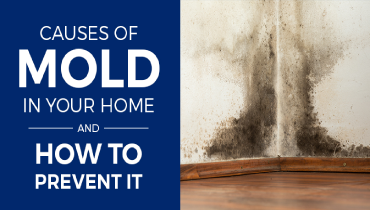
If you own a home, you need a side sewer cleanout to keep your sewer line clear. What exactly is a side sewer cleanout and why do
Learn moreIf you’re in need of plumbing service in the Greater Syracuse area, it’s important to be fully informed.
Learn moreWhen it comes to kitchen plumbing, nothing is quite as mysterious as the garbage disposal. How does the garbage disposal work? Wha
Learn moreSpring is the time for planting fresh bulbs, clearing out unused household items from storage and being outside to enjoy the warme
Learn more

Since the original Mr. Rooter was founded in 1970, the company has remained committed to a set of core values that are rooted in performing quality work at honest prices. Nearly half a century later, the original Mr. Rooter business is still servicing homes and businesses in and around Oklahoma City. It’s still independently owned and operated with strong ties to the community that made it all possible.

The last thing you want is a house full of mold. But you can’t stop it. No matter how clean you keep your home, it will always contain invisible mold spores. Disinfectants can only do so much because these tiny fungi seeds are an ever-present part of nature’s recycling system. And they fulfill a necessary, vital part of decomposing organic material.
\nIt’s when fungi spore cultures become colonies of slimy, dark mold that things get messy. They get dangerous as well. Intolerance to pathogenic mycotoxins that mold cultures emit causes serious health problems for many people. For some, it can be a permanent disability or even premature death.
\nWhile it’s impossible to entirely eradicate the presence of microscopic mold spores from your house, you certainly can prevent mold in your home. The key is controlling indoor moisture. Mold troubles most often come from high humidity, uncontrolled condensation, and simple and slow plumbing leaks. But there’s far more to knowing how to prevent mold damage than calling a plumber.
\nA plumber is an excellent professional resource who can fix a relatively small water leak before it turns into a giant mold problem. Plumbers are also trained to spot the telltale signs of hidden mold issues and alert you to potential disasters. A plumber’s experience is invaluable as part of mold identification. They can also be priceless in helping with mold prevention.
\nThe first part of knowing how to prevent mold in homes is knowing the causes. Then it’s helpful to know the ramifications of letting a small area of mold contamination spread into a huge and expensive infestation. Learning what mold is, its causes, and how to properly clean moldy surfaces should be part of your home-owning education — so should watching for potential mold trouble spots. You also need to know mold’s health hazard symptoms, the safety precautions in handling moldy materials, and your insurance policy implications when it comes to mold damage claims.
\nKnowing the causes and prevention of mold in your home is a serious subject. Allowing mold to culture and prosper in your home can be extremely costly in both financial and health terms. Now, in the twenty-first century, mold is recognized as a previously little-known national health threat similar to what asbestos became in the twentieth century. In fact, in the bestselling book “What Every Home Owner Needs To Know About Mold and What to Do About It” by recognized mold expert Vicki Lankarge, mold is called “the asbestos of the new millennium.”
\nIf you’re wondering how to prevent mold in your home, you’ll also be wondering about the enormous impact uncontrolled mold can have in your home. Ultimately, it’s your responsibility as a homeowner to recognize potential problems before they begin and understand the simple techniques for how to prevent mold damage.
\nWhile problems can start with something as simple as mold from a water leak in your ceiling or something as major as a flooded basement, all mold damage happens because mold behaves according to nature’s design. Let’s take a look at what mold actually is before we discuss how to prevent mold and mildew from taking hold in your home.
\n
Mold is not a plant or an animal. Mold is a microscopic organism that’s part of the fungi kingdom. It occurs in every warm part of the world where there’s a moist environment. The exact number of different mold species is unknown, but scientists estimate that over 100,000 different types of mold microorganisms exist. Statistics from the Center for Disease Control (CDC) in Atlanta report that at least 1,000 species of mold are common in the United States.
\nMold is a natural part of all environments where other oxygen-dependent organisms thrive. You’re exposed to mold every day. Outdoors, mold plays an important role in breaking down cellular matter and allowing it to decay as part of the decomposition process. Soil enrichment wouldn’t occur without mold. Typically, fallen trees and dead leaves turn moldy within days, especially when light is limited and air is plentiful.
\nIndoors, mold acts much the same way. According to the United States Environmental Protection Agency (EPA) in their informative publication “A Brief Guide to Mold, Moisture and Your Home,” mold can take hold within 24 to 48 hours after a warm enclosed area like a bathroom wall becomes wet. It can colonize within a week and spread immediately.
\nMold produces various enzymes that allow it to decompose and digest organic foods. When mold multiplies, it creates cells called spores that easily spread. Spores allow mold to quickly reproduce. These tiny spores thrive in warm, wet, and low-light conditions where they have a ready food source like wood and sheetrock. Their favorite is cellulose materials. Mold can also be culture on non-organic surfaces such as shower curtains, tile, plastic, and insulation.
\nMold spreads in different ways. Most lightweight mold spores become airborne and float about an environment like your basement or crawlspace. They're driven by currents from crossflow ventilation or forced by contaminated furnace ducts. Heavier spores from mold species like Stachybotrys chartarum, or toxic black mold, rely on physical transfer such as flood waters or installing previously contaminated materials.
\nThere’s little difference between mold and mildew. Biologically, you can say they’re both fungi cousins, but a better description is more like their being at different phases of development. The term “mold” is associated with the bumpy green, brown or black films and fuzzy cultures that thrive on damp and dark surfaces. “Mildew” generally refers to the silver-gray, flat-lying mold species commonly seen as “powdery mildew” on plant leaves.
\nRegardless of the technical terms, the main difference is that mold can survive in dark, enclosed areas where mildew needs a certain amount of light to prosper. Mold is more destructive than mildew and is harder to identify and eradicate. Both mildew and mold respond the same way to treatment, and both can be similarly prevented before they cause structural damage or present a threatening health hazard.
\nIt’s the causes of mold that are most important to know to prevent it from taking hold.
\n\n\n

Mold needs six elements to grow. An omission of deficiency in any condition will result in mold cultures not being able to take hold or flourish. They will also cause a mold colony to die if one or more elements are removed after mold colonization has been established.
\nReducing or removing these elements is the core strategy for preventing mold. It’s also the attack for destroying an existing mold colony. Here are the six factors that cause and contribute to a mold outbreak.
\n1. Mold Spores
\nThe first element is the mold spores themselves. This is hard to prevent, as mold microorganisms are prolific and almost universally present throughout the world. Spores are invisible to the naked eye and usually enter your house from the outdoors. Air movement of spores is the most common method for spreading, followed by being introduced through contaminated materials.
\nRemoving mold spores from your home is practically impossible. Keeping conditions under control is the only recourse you have. The only places on earth where mold cannot occur are in the deserts and the ice lands — they’re far too dry and cold. Mold also doesn’t happen in lakes or under the ocean because of the lack of air.
\nHowever, where the next five elements occur, you can be sure mold spores are there, just waiting for optimum conditions to form.
\n2. Moisture
\nWithout moisture, mold cannot possibly thrive. Water is the key to all life, and mold is no exception. There is no specific water content or humidity threshold where mold cannot survive. It depends on a blend of all elements. Where it’s highly humid or even slightly damp, you can be sure it’s a potential mold nursery.
\nThe longer wet conditions exist, the more chance there is for mold to begin its growth. Most mold in homes starts in hidden places. The common cause of dampness is a minor plumbing leak under a bathroom or kitchen sink that goes unnoticed or unattended.
\nMold also starts in places you can’t even see, such as in ceilings where drips from roof leaks aren’t caught. Mold also takes foot inside walls due to escapement from water lines, drain waste, and ventilation plumbing pipes that have cracked or separated. Dampness can also happen from condensation where plumbing lines are chilled, and a high-humidity environment makes them sweat.
\nIt doesn’t have to be standing water by any means that gives enough moisture to set mold to live. Bathrooms are notorious for containing active mold growth. Corners of showers that never completely dry are common places you’ll see small, black patches forming on grout lines. Shower curtains and door tracks are other locations where mold begins.
\nMoisture is the primary element necessary for mold to exist. If you remove sources of moisture, you can win your fight against mold.
\n3. Food Source
\nBecause mold is a life form, it needs food to survive and reproduce. Food sources outdoors are limitless where vegetation and other organic materials abound. In forests, you can find mold everywhere from under old logs to the trunks of trees. You can find it in the soil and the grass. Mold is even present on rocks.
\nYour house is a different story. It’s also full of mold food you wouldn't think of. When you find mold in your bathroom vanity or a closet corner, it’s feeding off the organic materials contained in wood panels or on the wallboard. It’s also feeding on minuscule amounts of dust and dirt that are there no matter how well you clean.
\nMold takes hold of all sorts of things around your home. It can feed on insulation in your attic or walls, and it can feed on the back of gypsum sheetrock. Mold eats at the surface of clothes and luggage. It consumes residue left on smooth tile surfaces and microscopic materials trapped inside porous flooring like carpets. And it loves damp cardboard, newspapers, and fabrics.
\nMold also gets food from the air. Spores aren’t the only thing that’s microscopically present in the air that circulates your home and that you inhale. There are countless airborne particles mold can feed on, such as dust and pollens. The air even contains the spores of other mold species that contribute to their diet.
\nRemoving food sources for mold is neither practical nor possible. The trick is in controlling other elements, especially the warm, dim, and moist places where mold loves to hide. That includes a supply of oxygen.
\n4. Oxygen Supply
Mold can’t live without oxygen. Mold needs air to grow and reproduce. Without oxygen, mold can’t perform the organic process where it divides cells and forms mass. That includes making a steady production of spores it depends on to spread.
\nAir doesn’t just contribute to mold’s physical, chemical, and biological growth. Air movement is the principal carrier for mold spores so they can move locations. That spread might just be an inch or two within a tight corner, or it may well be across the floor, between rooms, or about the entire house.
\nBe aware that it doesn’t take large amounts of air to help mold prosper. Air is still present inside wall cavities and under insulation. Sealed boxes and closed containers still have ambient air, and it’s there to assist mold colonies in surviving. Trapped air still holds oxygen, and it doesn’t take much to allow mold to grow.
\nLike food sources, it’s virtually impossible to remove air in places where mold will culture. In fact, one of the best weapons in the war against mold is lots of air. Moving air through proper ventilation allows surfaces to dry through moisture evaporation that may be standing free or trapped in enclosed spaces.
\nIt all comes back to controlling moisture, as it’s mold’s best ally in ensuring survival. That and a limited amount of sunlight.
\n5. Lack of Sunlight
\nDirect sunlight exposure is deadly to mold. The ultraviolet rays in natural sunlight destroy mold’s cellular structure. This is why you’ll only find mold outside in dim or dark places like under a forest’s canopy or on north-facing rock faces and tree trunks.
\nIndoor lighting doesn’t have the same devastating effect on mold. The spectrum of artificial lighting is different from sunlight and doesn’t emit the same type of photons that kill mold and stop its advancement. While mold prefers limited light or even total darkness, it still grows inside homes where incandescent or fluorescent lights are burning.
\nIt’s not feasible to bathe your entire house in sunlight, but there are types of indoor lighting on the market that emulate the sun’s wavelengths and can destroy mold through exposure. Unfortunately, this isn’t practical or economical. Mold is going to take hold in those inevitable places where light is limited but warm and wet conditions abound. Having the right temperature makes matters more for mold to take off.
\n6. Optimal Temperature
\n
Mold doesn’t tolerate conditions that are too cold or too hot. You won’t find mold occurring in arctic regions, nor will you find it in the Sahara Desert. Freezing will destroy mold or at least make it dormant. Burning also destructs mold’s cellular structure, preventing it from growing and multiplying.
\nTemperature levels inside most residences are at optimum levels for mold cultures to live. Temperatures between 72 and 81 degrees Fahrenheit, or 22 to 27 degrees Celsius, are perfect for mold to grow, especially if this climate is damp and dark. Mold spores can’t take hold near the freezing point but can survive well above temperatures that are uncomfortable for humans.
\nRelative humidity levels are also an important factor in allowing moldy conditions. High humidity gives a wet, moist environment that encourages mold growth. The EPA recommends you keep your home between 30 and 50 percent relative humidity, with a maximum percentage being 60. Any humidity levels above that will exponentially allow mold colonization.
\nRegulating the temperature in your home to fight mold doesn’t really work. Although the optimum temperature is part of the six-element equation that lets mold exist, it’s a minor player compared to moisture.
\nIf you control moisture in your home, you’re well on your way to preventing mold from ever taking hold. But that’s easier said than done, as moisture that gives mold its head start can be very hard to spot. Let’s take a tour of your home and look at the most likely places where you’ll find mold. We’ll also identify the most likely sources of that unwanted or unexpected water.
\n
The causes of mold are quite clear. From a scientific perspective, mold is a living organism from the fungi family that thrives in moist areas where it has water and food supply. It also prefers to be relatively warm, stay out of bright light and have an ample air supply.
\nPreventing mold damage in your home depends on identifying the prime places where these optimum conditions occur and then taking steps to mitigate or eradicate them. Killing mold cultures can be done with many chemical or biological treatments, but the best line of defense is removing the climates where mold begins to grow.
\nSo what are the moisture sources in homes? In every area of your house, there’s an opportunity for mold to form. Mold spores will flourish wherever they get a chance. Reducing their odds of cultivating can come from anything like preventing or fixing a plumbing problem to making sure you have adequate ventilation.
\nUncontrolled moisture is what gives optimum conditions for mold to start growing indoors. That’s usually where it’s out of sight and out of mind. Here are some of the most likely places where you’ll give mold its lucky break.
\n
It’s common to find mold in attics, especially where there are poor ventilation and high humidity conditions. Few people spend time in their attics, particularly in today’s homes that use roof trusses instead of rafters and storage space is impractical.
\nMost people never enter their attic unless there’s an emergency. That’s usually due to a water leak, and by then, a mold infestation may be well advanced. Running water is easy to identify in an attic as it’s going to pour through hatch openings or from light fixtures. High humidity and moisture levels are more difficult to find. Consider these attic moisture sources:
\nIf you have a full, in-ground basement, you’ve got a good breeding place for mold. Most basements are dark, fairly warm, poorly ventilated, and quite humid. They also have food sources and abundant oxygen.
\nBasements also contain plumbing parts like pressurized hot and cold supply lines, drain pipes, floor drains, sumps, and sometimes wells. Consider these basement sources of moisture:
\n
You might not have a full basement, but you’ll probably have a crawlspace under your home unless your place was built with a slab-on-grade. Confined crawlspaces contain optimum mold-growing conditions, and that’s due to ever-present moisture that’s not taken care of. Here are some common crawlspace moisture sources:
\nBathrooms are by far the most common rooms in your house to experience mold problems. Fortunately, they’re the easiest rooms to discover mold outbreaks in, and that’s because you’re probably looking for mold during routine cleaning.
\nBathrooms are high-humidity rooms by nature of their intended use. Normal living creates high humidity from hot showers and baths. Using the sink creates moisture, as does flushing the toilet. Even standing water in the sink or plumbing traps contributes to evaporation and keeps the bathroom's relative humidity high.
\nBathrooms have many surfaces where mold can start. There are plenty of places like smooth tile faces and porous grout spaces that quickly harbor mold if moisture isn’t controlled. Inside vanity cabinets is a common spot for mold to start. Another common place for mold is behind toilets where air circulation is blocked. All this is due to the presence of moisture that rises from these sources:
\nMold is commonly found in kitchens, and that’s not surprising given how much water is used for cooking and cleaning. Kitchens are second to bathrooms as the location where the most water is contained in plumbing components. That includes water supply lines, drain pipes, sinks, dishwashers, and even ice makers.
\nKitchens store passive water in pots left on counters and inside fridges. Dishes are left on the counter to dry, and kettles steam away on the stove. All this makes your kitchen a high-humidity environment that increases the odds of mold forming. Consider these moisture sources in your kitchen:
\nRegardless of whether you're heating your home up or cooling it down, you’re going to be moving air that contains moisture. There are many different forms of HVAC systems and their parts. Some use water as a primary heat source, and often you’ll find homes that incorporate some form of humidifier or dehumidifier. That depends on the climate.
\nMost HVAC systems have ductwork that moves warm air about and cold air in return. These ducts are perfect environments for mold to form because they’re dark and warm and they have plenty of air and contain an optimum humidity level. Removing mold from ductwork can be a terrible chore.
\nDuctwork is also the place where airborne debris gets trapped. That’s everything from household dust to pet hair and dander. Trapped material also locks in moisture and starts promoting a colony of mold. Here are the HVAC sources of moisture:
\nInside your home is not the only place to be worried about mold. It happens outside as well and can present considerable mold damage. Exterior environments around your home are an extension of nature. There are all the elements of mold spores everywhere, along with favorable temperatures, oxygen, light levels, food, and, of course, moisture.
\nMoisture is much harder to control outdoors than in. Your home’s exterior is designed to repel nature’s forces. That includes water hammering at your home from rain, wind, snow, ice, and sweltering humidity in the heat of summer.
\nSunlight is the savior of outdoor mold. Bright sunlight won’t allow mold to take a grip on your siding or fascia except for dark areas and also on the north side. These are the places to watch out for mold. They're also the locations to control moisture. Some of the main outdoor moisture culprits are:
\nWith so many sources of moisture to control inside and outside your home, it’s no wonder infestations of mold happen from time to time. Plumbing leaks and blocked drains are the main reasons for mold-related house problems. That’s because many plumbing problems begin as minor drips or blocks and go undetected until they produce symptoms you can’t ignore.
\nUnfortunately, by the time you notice the signs, the damage is done. A thriving mold situation may be well in motion. Here are some of the main signs and symptoms to look for that indicate you’ve got a mold problem in your home.
\n The initial signs and symptoms of having a mold infestation will come to your senses. First, you’ll likely see something unusual like stains or discoloration. Next, you’re apt to notice a musty smell that’s a sure giveaway of mold lurking nearby.
Here are some subtle but sure signs that you’re going to have to deal with mold.
\n
Identifying a mold problem is one thing. Remediating it is entirely another. The important thing when dealing with mold is to act on it early. Start remediation and cleanup work immediately.
\nOnce mold takes a firm hold, it might not be possible to eradicate the mess without significant demolition and replacement of expensive materials. It might also require calling in a professional company that specializes in mold remediation.
\nThere are some basic actions you can take in stopping mold before it gets away. Some suggested steps  are:
are:
Most forms of mold are relatively harmless to humans unless you’ve had prolonged exposure or have a sensitivity like mold allergies. The exception is a black, toxic mold called Stachybotrys chartarum that can be lethal under some circumstances. Stachybotrys appears as a dark green to jet black mass of dots. If your mold colony looks like that, make sure you take personal precautions in handling this pathogen.
\nRecommended personal protective equipment (PPE) for handling all moldy products should include:
\n
Identifying and cleaning up after experiencing a mold problem is not a pleasant experience. Despite the possible health hazards, mold remediation can be time-consuming, not to mention extremely expensive. Some mold infestations are so severe, occupants are forced to move out and then struggle with insurance companies to compensate them for repairs to the damage.
\nThe simplest solution to any mold issue is to avoid having one. Preventing mold in homes is easy to do, provided you know what to look for and stop problems before they happen. That includes having periodic plumbing inspections or calling a plumber to fix any water leak or drainage block as soon as you suspect one.
\n
The best advice about dealing with mold is to get on it as soon as you suspect something’s wrong. Don’t wait until the damage is done and expensive remediation work is needed. Mold is a fast-acting organism. The EPA guide reports that mold spores can cultivate within 24 – 48 hours of finding a warm, moist place. Time is of the essence.
\nHere are more of the EPA’s mold prevention tips:
Mold prevention is part of regular homeowner maintenance. The EPA recommends you think of mold prevention in four parts:
\nEducating yourself about the signs and symptoms of mold is one of the best preventative actions you can take. There is plenty of information available online. Another excellent source is your local plumbing professional, who is an expert on the causes of mold and how to prevent it.
\nMr. Rooter Plumbing of Greater Syracuse is your best choice for all plumbing leaks and problems that cause mold infestations. To prevent mold from growing in your home, contact us for a plumbing checkup.
\n\r\n"}, { "custom_dt_modified":"2025-04-10T09:38:05Z", "custom_s_local_url":"/greater-syracuse/about-us/blog/why-your-side-sewer-cleanout-is-important/", "custom_s_opus_version":"2", "custom_s_heading":"Why Your Side Sewer Cleanout Is Important", "custom_s_local_dba":"greater-syracuse", "custom_dt_created":"2017-03-01T00:00:00Z", "custom_s_category":"plumbing", "custom_ss_category":["plumbing"], "custom_s_article_summary_Image_url":"", "custom_t_content_summary_Desc":"If you own a home, you need a side sewer cleanout to keep your sewer line clear. What exactly is a side sewer cleanout and why do ", "custom_t_content_summary_Image_url_alt":"", "custom_t_heading":"Why Your Side Sewer Cleanout Is Important", "custom_t_content":"If you own a home, you need a side sewer cleanout to keep your sewer line clear. What exactly is a side sewer cleanout and why do you need it? Read on.
\nA cleanout is an access point that a plumber can use for necessary maintenance and to make sure you don’t get stuck with a clogged sewer line. It is simply a capped opening that you can use to clear a blockage with the right clearing equipment.
\nA side sewer cleanout presents a quick and easy way to prevent your sewer line from getting backed up, or to clear it if it does get backed up. When your sewer line gets backed up, you need to clear it as soon as possible to prevent water from coming back up into your house causing water damage. A cleanout access point is the most efficient way to get that line clear fast enough to minimize any potential damage or flooding.
\nYou probably do. However, it’s possible that you don’t, or, if you are not the first owner of your home or you have renovated it since buying it, it’s possible that someone covered up or otherwise blocked the cleanout, which is just as bad as not having one.
\nIf you cannot find your cleanout through visual inspection, or you have determined that you don’t have one or that it is covered up, it is time to call in a plumber with expertise in sewer systems. If your home is in the greater Syracuse area, the company to call is Mr. Rooter Plumbing of Greater Syracuse.
\nFor any issues with plumbing in greater Syracuse, Mr. Rooter Plumbing can help, including examination of your sewer system, installation of a sewer system or managing sewer system hookups. Mr. Rooter Plumbing can provide full septic system service and maintenance, as well as help with more common plumbing problems like leaky pipes or broken water heaters. You’ll get a licensed plumber who is certified by Onondaga County for plumbing leak detection or any plumbing-related project, someone who you’ll know can do the job and do it right.
\nIf your septic system or water pipes aren’t working properly, you don’t want to wait until you have a problem to find out. For service, maintenance, or a free Plumbing Check-Up, contact Mr. Rooter Plumbing of Greater Syracuse now.
\nIf you’re in need of plumbing service in the Greater Syracuse area, it’s important to be fully informed. To get the best plumbing services, you need to know what to look for, what to expect and what you’re getting. In that spirit, here are the questions you should be asking your plumbers in Syracuse before and after the service they provide.
\nBe sure to ask these questions, or something similar, before you agree to have a particular plumber begin service:
\nIt’s natural to assume a plumber offering you service is licensed by the city or state, but it’s not necessarily the case. If they are not licensed and do work that is not up to standard, you have little recourse. It’s a simple matter to check the license of your plumber, and it can give you some important peace of mind.
\nYou don’t want to get in a situation where you sign off on work and then at the end, find out it costs much more than you were expecting. A quality plumber that stands behind their service should be able to give you a free, accurate estimate of the cost of service. The best plumbers will offer upfront flat rate pricing so you know exactly what you are getting into.
\nIt may surprise you to know that for some plumbing services in Syracuse, cleanup may not be included in the cost. Find out if your plumber intends to clean up after themselves and if this will incur an extra charge.
\nIt can be helpful to ask some follow up questions after your plumber has completed repairs, such as:
\nIf you have a plumbing problem, there’s a reason. If your plumber is able to fix the problem, they should be able to explain to you why it happened. Whether it’s someone putting something down the drain they shouldn’t have, leaky pipes or an old plumbing system that needs to be replaced, it’s important to know why you needed to call the plumber in the first place.
\nNaturally if the problem is clogging the drain with a foreign object, you have an easy solution. For other problems, though, a little plumbing maintenance may be what forestalls future occurrences. Feel free to ask your plumber what kind of regular maintenance you can do to keep your plumbing system in top shape.
\nIf you’re happy with the work your plumber has done, you’ll probably want to know if you can rely on them when emergency strikes. If this plumber has 24/7 service, keep their number handy and have the peace of mind of knowing if a sudden emergency arises, you’ll have someone to call.
\nIf you do need plumbing services in Syracuse, Mr. Rooter Plumbing of Greater Syracuse is more than happy to answer all these questions and more. With 24/7 emergency service, free estimates, upfront pricing and a tradition of nearly 50 years in plumbing services, Mr. Rooter Plumbing is the trusted name for plumbing in Syracuse today.
\nWhen it comes to kitchen plumbing, nothing is quite as mysterious as the garbage disposal. How does the garbage disposal work? What can you safely put down the disposal, and what items will bring it to a screeching halt? How do you get it working again after it breaks down? Keep reading to learn everything you need to know about proper garbage disposal maintenance and operation.
\nYour garbage disposal is an electric device installed between the sink’s drain and the pipe that takes waste water away from the house. It uses grinding rings to shred food waste into tiny bits. These bits, usually no bigger than two millimeters wide, easily float down the pipes with your dirty dishwater. Using garbage disposal reduces the amount of food waste that ends up in landfills. It also cuts down on the smelly trash accumulating in your kitchen can.
\nThe answer to this question depends on what kind of disposal unit you have. For standard garbage disposals, you can safely grind everyday food scraps and small amounts of vegetable peels. If you purchase a heavy-duty garbage disposal, you may be surprised at all the kitchen scraps you can dispose of down the sink. Corn cobs, peach pits, and even chicken bones can be put down the toughest garbage disposals!
\n\nFollowing a few basic plumbing tips will keep your disposal operating smoothly for a long time to come. Always run the cold water when you turn on the garbage disposal and let the water run for a few seconds after you switch off the disposal. Another good rule of thumb is to never put grease or oil down your disposal, even if you have a heavy-duty model. Also, never try to grind things your disposal is not approved for. Last, an easy and affordable way to keep odors at bay is running small pieces of citrus peels through the disposal.
\nLosing the use of your garbage disposal can be a kitchen plumbing nightmare — especially if your kitchen sink only has one drain. First things first: Switch off the disposal. Feel down in the device to remove any pieces of debris left inside. Next, open the cabinet under the sink and examine the garbage disposal. Look for a small reset button on the side or bottom of the device and press it once. Turn the cold water back on, and try switching the disposal on. If that doesn’t work, call your plumber to install a new garbage disposal.
\nMr. Rooter of Greater Syracuse can help with all of your plumbing issues, including garbage disposal maintenance. Contact your local plumbing experts today to schedule your appointment.
\r\n\r\n"}, { "custom_dt_modified":"2025-04-10T09:22:11Z", "custom_s_local_url":"/greater-syracuse/about-us/blog/5-common-spring-plumbing-problems/", "custom_s_opus_version":"2", "custom_s_heading":"5 Common Spring Plumbing Problems", "custom_s_local_dba":"greater-syracuse", "custom_dt_created":"2019-03-13T00:00:00Z", "custom_s_category":"plumbing", "custom_ss_category":["plumbing"], "custom_s_article_summary_Image_url":"/us/en-us/mr-rooter/_assets/images/mrr-blog-5-common-spring-plumbing-problems.webp", "custom_t_content_summary_Desc":"Spring is the time for planting fresh bulbs, clearing out unused household items from storage and being outside to enjoy the warme", "custom_t_content_summary_Image_url_alt":"Silver metal fixture in wash area", "custom_t_heading":"5 Common Spring Plumbing Problems", "custom_t_content":"
Spring is the time for planting fresh bulbs, clearing out unused household items from storage, and being outside to enjoy the warmer temperatures. Now that spring has arrived, many local Syracuse homeowners believe that the worst plumbing issues — often associated with freezing temperatures and harsh conditions during the winter months — have safely passed. While many of the most severe plumbing problems do occur during the winter, with the spring thaw there are several plumbing maintenance tasks homeowners should perform to ensure the quality and functionality of their plumbing.
By spotting plumbing issues and fixes early, you can prevent significant property damage later, reduce emergency repair costs and extend the lifespan of your plumbing and fixtures.
\nSpringtime Plumbing Mishaps and Maintenance
\nIn early spring, as the last bit of frost melts, inspect several plumbing system fixtures and appliances around your home to check for damage and wear that could affect its overall efficiency and performance. Many homeowners find the following plumbing system issues:
\nCall Mr. Rooter Plumbing of Greater Syracuse to Schedule Springtime Plumbing Maintenance Services
\nWhen you need dependable and effective plumbing solutions, contact your local licensed plumbing professionals at Mr. Rooter Plumbing. We perform comprehensive springtime plumbing maintenance services for local Syracuse-area homeowners to ensure your plumbing system is operating efficiently without any damage that could cause problems later. We have the tools, equipment, and expertise necessary to quickly identify any repair issues and develop long-term, personalized solutions to suit your needs and budget.
\nRequest a free plumbing maintenance quote today by filling out our online contact form or calling us to speak to a team member.
\r\n\r\n"}] }}