Gas leak detection requires specialized tools to locate microscopic fractures in your piping or failing seals at your appliance connectors. You receive a comprehensive diagnostic survey that includes a visual inspection of all exposed lines and a mechanical pressure test of the entire system. This approach eliminates the guesswork associated with intermittent odors or fluctuating gas bills.
Technicians arrive at your home with ultrasonic leak detectors and electronic sniffers. These tools allow for the identification of leaks behind walls or in crawlspaces without unnecessary demolition. Once the technicians locate the leak, they isolate the affected section. You receive a clear explanation of whether the pipe requires a simple fitting replacement or if the entire run has reached a level of corrosion that necessitates a full upgrade to Schedule 40 black iron.
Your diagnostic service also covers your gas meter connections and appliance shut-off valves. Many leaks in Pittsburgh homes occur at the valve seats of older brass fittings. You get these outdated components replaced with high-quality ball valves that provide a more reliable seal and easier emergency shut-off capabilities.
Black Iron Pipe Repair and System Upgrades
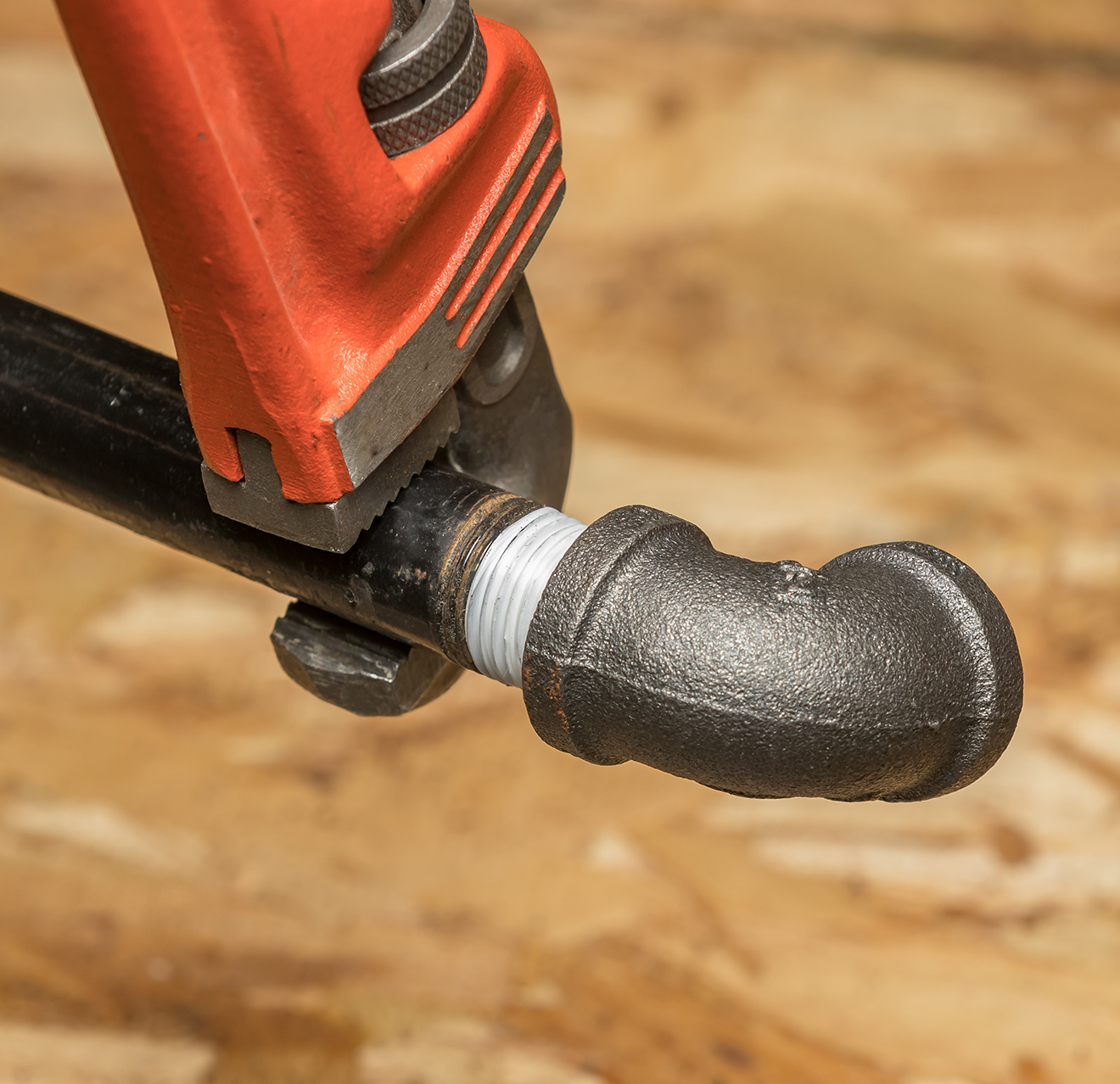
Black iron pipe remains the primary material for gas distribution in Pittsburgh homes because of its durability and fire resistance. Your repair service includes the use of Schedule 40 threaded pipe that handles the high thermal demands of your heating system. Technicians use professional-grade pipe threaders to ensure every joint has a deep, clean thread for a permanent seal.
Your existing system might suffer from undersized piping. Many pre-war homes in the region were piped for gas lighting using 1/2-inch lines. These lines often fail to deliver the BTUs required by modern high-efficiency furnaces and tankless water heaters. You receive a load calculation to determine if your system needs an upgrade to 3/4-inch or 1-inch piping. This ensures your appliances operate at peak performance without starving for fuel during the coldest winter months.
Corrosion protection is another vital aspect of your black iron system. In damp Pittsburgh basements, uncoated iron pipes rust quickly. You receive piping that is properly supported and treated to resist the high humidity levels found in local river-valley homes. This proactive approach prevents the pitting and scaling that lead to future leaks.
Underground Gas Line Installation and Trenchless Solutions
Underground gas lines require specialized materials like Polyethylene (PE) pipe and anodeless risers to prevent corrosion in Pittsburgh's acidic soil. You receive an installation that accounts for the frost line and local soil acidity to ensure a long-term solution for your outdoor grill, pool heater, or detached garage. These lines must be buried at specific depths to avoid damage from landscaping or heavy equipment.
Your underground service includes the installation of tracer wire. This allows for future locating of the plastic pipe using electromagnetic equipment. Without this wire, your underground lines remain invisible to standard utility locators, creating a significant safety hazard during future excavations. You get a system that meets all modern safety protocols for buried fuel lines.
If you have a failing line under a driveway or established landscaping, you may benefit from trenchless replacement options. This minimizes the impact on your property while providing a brand-new, code-compliant gas feed. You receive a detailed site assessment to determine the most efficient path for your new underground service.