Many homes in the city and nearby boroughs were built between the 1900s and the 1950s. Most still have the original vitrified clay or cast-iron sewer lateral. Clay pipe comes in short sections joined every few feet, and after 70 or 80 years those joints separate just enough for roots to get in. Cast iron rusts from the inside, scales up, and eventually splits along the bottom of the pipe.
The terrain doesn’t help. Pittsburgh’s hillsides move a little every year, and freeze-thaw cycles shift the soil around buried pipe from December through March. A lateral that sat fine for decades can sag or crack after a couple of rough winters.
Many homeowners are surprised to learn they own the entire sewer line from their house to the public main. That includes the part under your sidewalk and sometimes even under the street. Digging up these areas means permits, traffic control, and concrete work, which can add up fast. With trenchless repair, you can usually avoid most of these headaches.
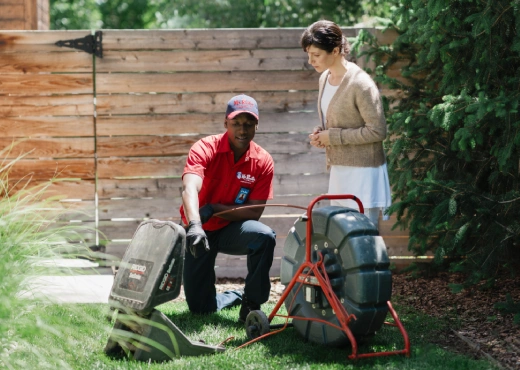
If you’re seeing repeat clogs, slow drains on the lowest floor, or a sewer backup after heavy rain, we start with the lateral. Regular drain cleaning can buy you time, but it won’t fix a broken pipe.