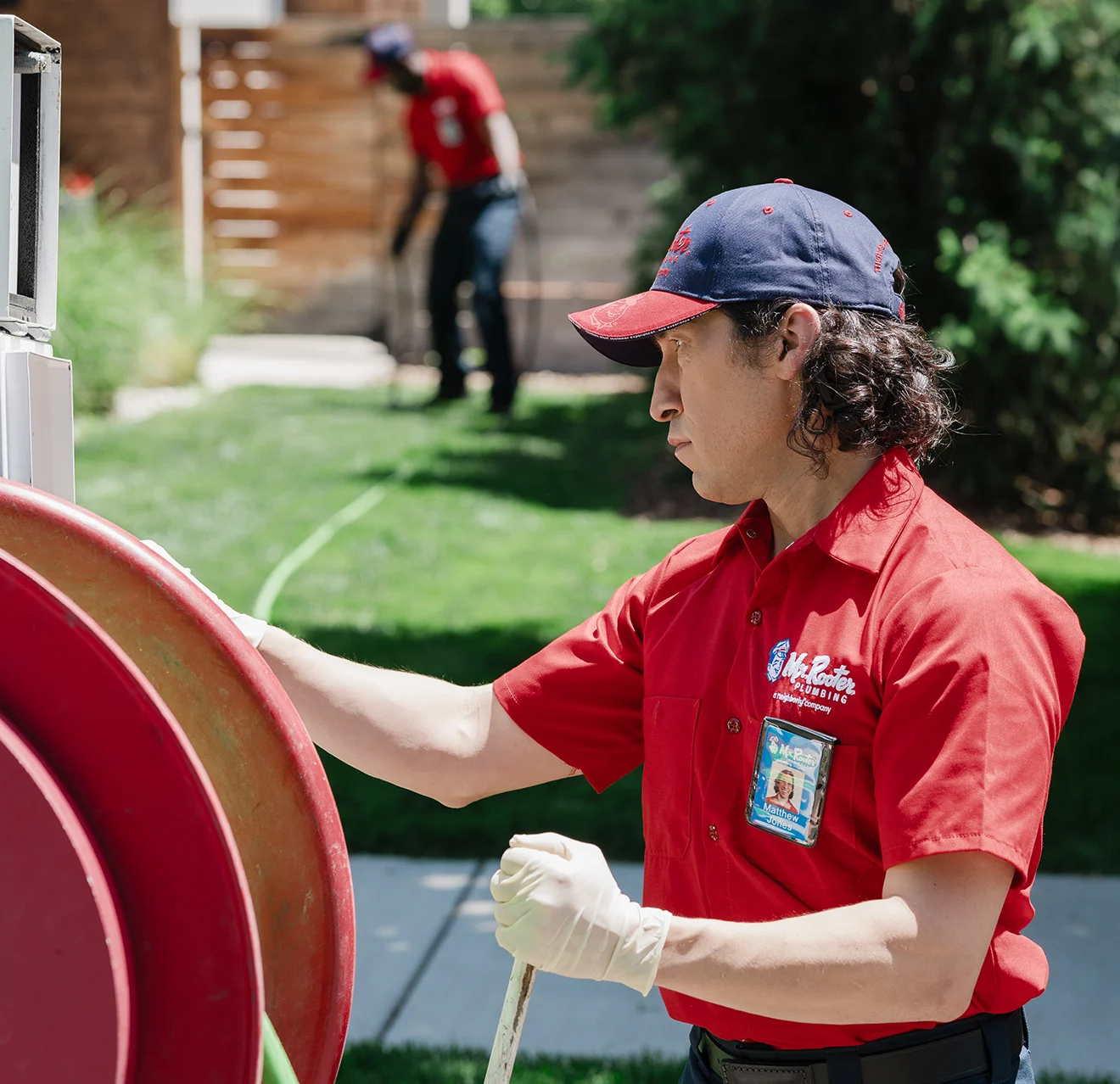
A hydro jetting machine forces water through a nozzle at pressure up to 4000 pounds per square inch, stripping grease, scale, and root intrusion from pipe walls without cutting into the pipe material. Unlike a drain snake, which punches a hole through a clog and leaves the surrounding buildup intact, the high-pressure stream reaches the full circumference of the pipe. That matters most on a main sewer line carrying waste from an entire house or kitchen.
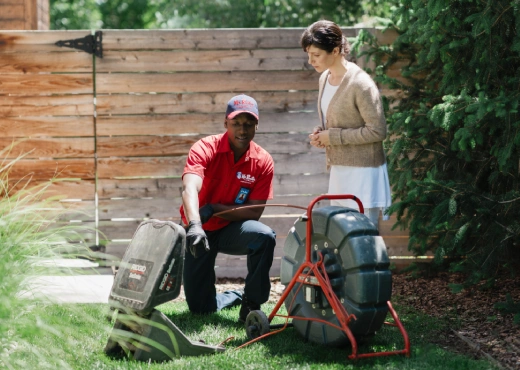
Before jetting, a plumber runs a video camera inspection to spot bellies, cracks, or collapsed sections that water pressure alone can't fix. It also confirms which pipe materials are involved, since cast iron, clay, and PVC respond differently to the water blast. Skipping this step risks jetting a pipe that actually needs trenchless sewer lining instead.
Traditional drain cleaning methods rely on chemical-laden drain cleaners that eat away at pipe walls and do little to clear a solid mass of tree roots. Hydro jetting relies on water pressure instead, a more eco-friendly drain cleaning method for older plumbing systems.
Signs of drain problems worth calling about include slow drains on multiple fixtures, gurgling sounds, or sewage odor near a floor drain. Feminine hygiene products, wipes, and grease are common causes of clog buildup between visits. Afterward, a plumber leaves service reports and maintenance recommendations that document the condition of the pipes and help protect property value.