Skip to Main Content Skip to Footer Content
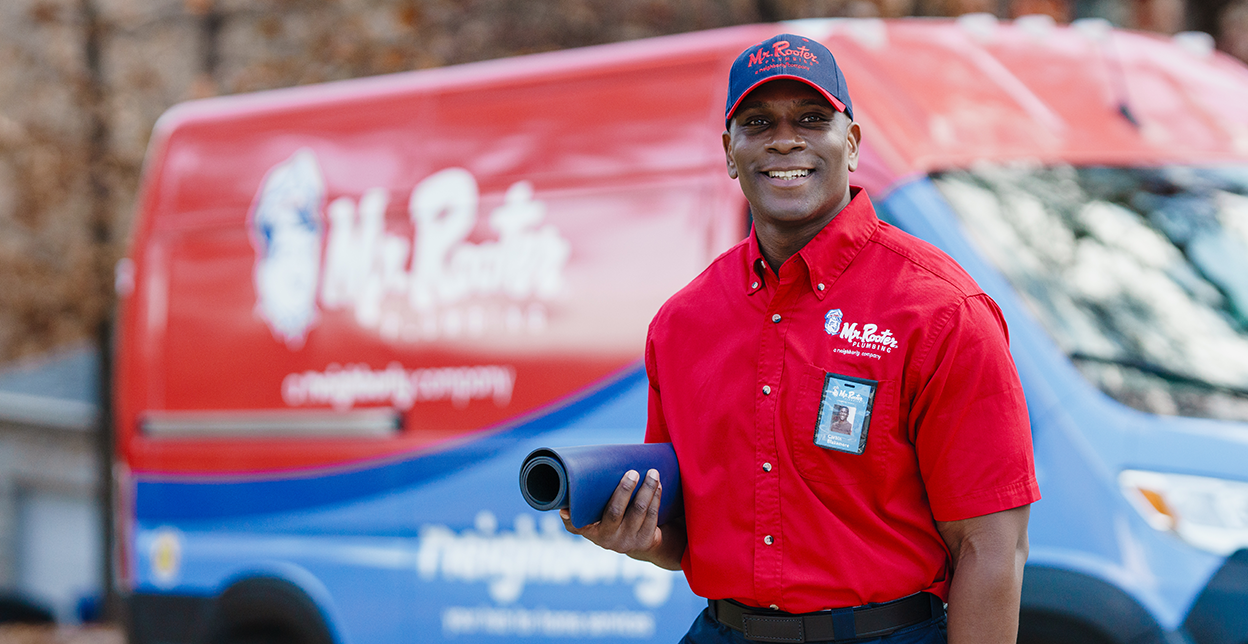
Mr. Rooter technician standing beside a branded van.

Drain Replacment and Drain Repair in Pittsburgh, PA

Pittsburgh drains face unique threats from shifting Red Bed clay and freeze-thaw cycles. When old clay tile pipes fail, they cause basement backups and yard pooling. The Pittsburgh plumbers at Mr. Rooter Plumbing of Pittsburgh handle every type of failure, from root-clogged kitchen lines to collapsed sewer laterals. Whether you need to pass a mandatory Allegheny County dye test or fix a slow drain, our video diagnostics and trenchless repairs provide fast, modern solutions that outlast aging infrastructure.

Let Us Call You

By checking this box, I agree to opt in to receive automated SMS and/or MMS messages from Mr. Rooter Plumbing, a Neighborly company, and its franchisees to the provided mobile number(s). Message & data rates may apply. Message frequency varies. View Terms and Privacy Policy. Reply STOP to opt out of future messages. Reply HELP for help.

By entering your email address, you agree to receive emails about services, updates or promotions, and you agree to the Terms and Privacy Policy. You may unsubscribe at any time.

  • Tree roots from mature oaks and maples penetrate clay tile joints, creating dense root masses that block flow completely. High-pressure water jetting cuts through roots and clears decades of buildup. The process removes grease, scale, and debris that slows drainage. Your pipes get scoured clean from the inside without harsh chemicals that damage pipes or contaminate soil. Hydro-jetting reaches 4,000 PSI, enough force to clear tree roots while preserving pipe integrity. This method works as preventive maintenance or emergency clearing when backups threaten your basement.

  • When your clay tile lateral cracks but has not collapsed, trenchless lining offers a permanent fix without excavation. A resin-saturated liner gets pulled through your existing pipe, then inflated and cured with heat or UV light. The result is a seamless, corrosion-resistant pipe within your old line. This method works on pipes 3 to 36 inches in diameter and adds 50 years to your system's lifespan. The cured epoxy creates a structural pipe that does not rely on the host pipe for support. CIPP lining eliminates joint separations where roots typically enter, stopping future intrusions before they start.

  • Severely damaged drains require full replacement. Pipe bursting breaks apart the old clay tile while simultaneously pulling new HDPE pipe into place. The process uses your existing pipe path, eliminating most excavation. Your yard, driveway, and landscaping stay intact. A bursting head fractures the old pipe outward while the new pipe follows directly behind. The new pipe resists root intrusion and handles Pittsburgh's soil movement without cracking. Pipe bursting works in situations where CIPP lining cannot provide adequate structural support.

  • Some drain failures require full excavation, particularly when pipes have shifted off grade or collapsed completely. Modern excavation equipment minimizes disruption while providing access to deep laterals. Your new PVC or HDPE lateral gets installed at the proper slope, backfilled with engineered materials, and tested to ACHD standards before backfill compaction. Excavation allows correction of improper grading that causes chronic standing water in pipes. This method works when trenchless options cannot accommodate severe damage or when pipe relocation becomes necessary.

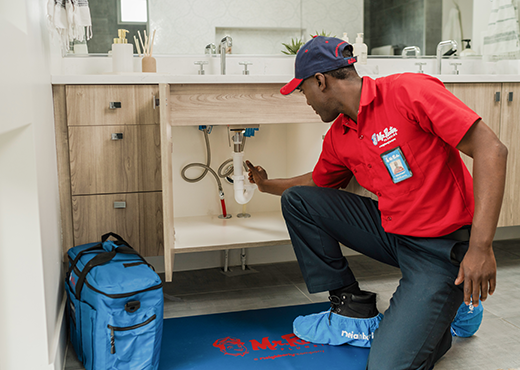
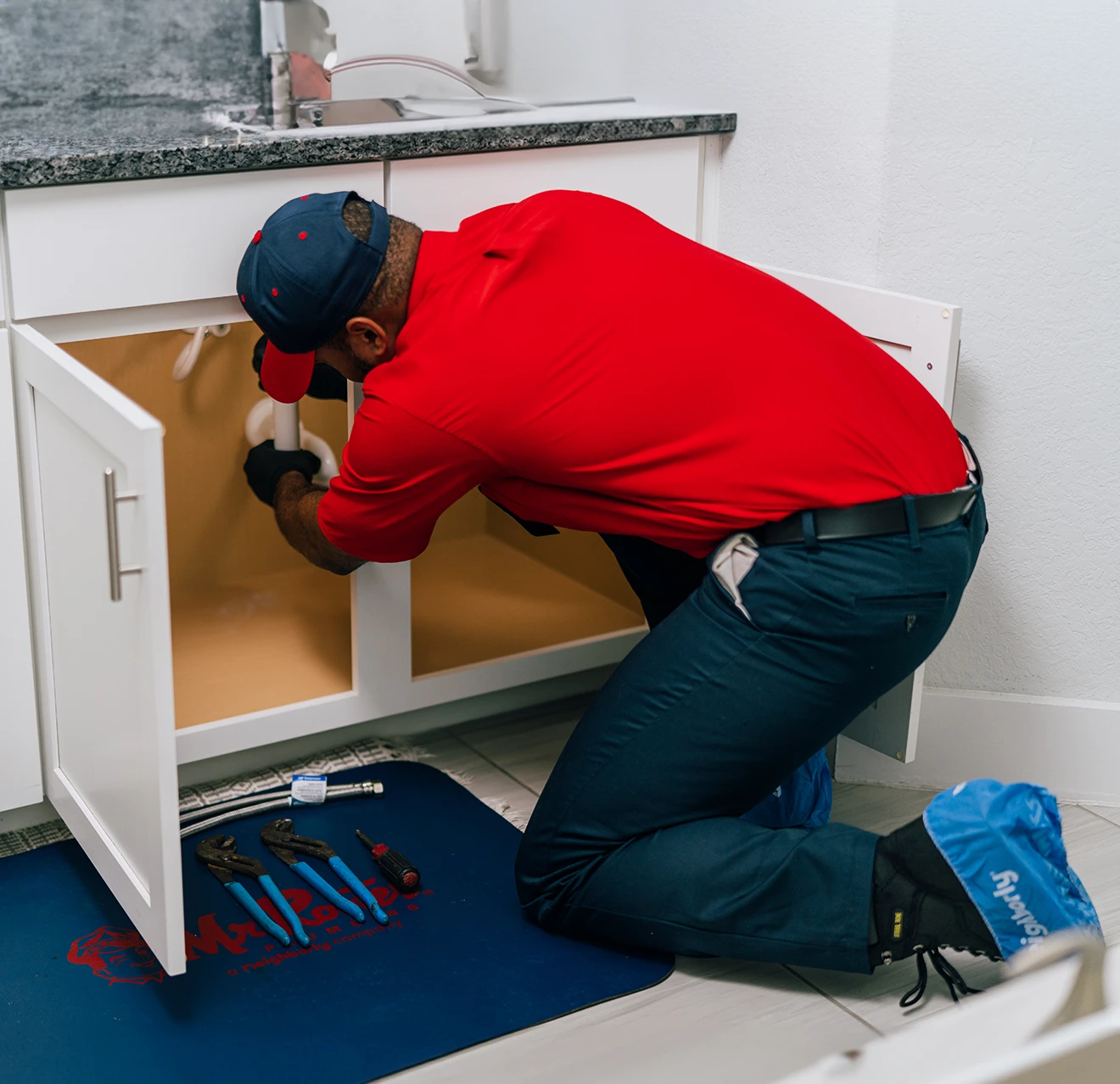
Mr. Rooter professional repairing a sink drain.

Our Expert Process for Drain Repair in Pittsburgh

Step 1 - Video Camera Inspection: A waterproof camera travels through your drain line, recording the entire interior. You see root intrusion, cracks, offsets, and blockages. The camera records depth and distance markers for precise excavation if needed. This inspection identifies problems before you spend money on repairs that might not address the actual issue.

Step 2 - Diagnosis and Repair Options: Your technician explains what caused the failure and presents repair options with transparent pricing. You choose between spot repair, trenchless lining, pipe bursting, or full replacement based on damage severity and your budget. No pressure tactics, just clear information about what each method accomplishes.

Step 3 - Permit Acquisition: For work requiring ACHD permits, Mr. Rooter Plumbing handles all paperwork and coordinates inspection scheduling. You do not chase bureaucracy or worry about code compliance.

Step 4 - Repair Execution: Your chosen repair method gets implemented by licensed technicians using appropriate equipment. Trenchless work is often completed in one day. Excavation projects take longer but include full site restoration. You receive updates throughout the process so you know exactly what is happening on your property.

Step 5 - Testing and Documentation: Every repair gets pressure tested or dye tested to verify integrity. You receive documentation proving your system meets ACHD standards, critical for property transfers. This paperwork protects you during home sales and eliminates questions from buyers about the drain system condition.
Why Choose Mr. Rooter Plumbing of Pittsburgh for Drain Repair and Replacement

Mr. Rooter Plumbing of Pittsburgh delivers drain repairs that last because they understand the specific geological and regulatory challenges that damage your underground pipes. Choosing the right plumber for drain work separates homeowners who fix problems once from those who pay twice. Here are a few good reasons why we’re the right choice for drain repair in Pittsburgh:

  • Trenchless Repair Expertise for Pittsburgh's Terrain: Excavating drains on Mount Washington's steep hillsides or in Squirrel Hill's mature tree-lined yards often proves impossible or prohibitively expensive. Trenchless methods solve this. Cured-In-Place Pipe lining installs a seamless epoxy liner inside your existing pipe, creating a new pipe within the old one. Pipe bursting breaks apart the damaged clay tile while simultaneously pulling new PVC into place. Both methods preserve your landscaping, driveways, and mature trees while delivering repairs that outlast traditional dig-and-replace by years.
  • ACHD Compliance and Permit Coordination: Every drain repair and replacement must meet Allegheny County Health Department Article XV requirements. These standards govern pipe materials, slope calculations, cleanout placement, and connection methods. Mr. Rooter Plumbing of Pittsburgh handles all permit applications, coordinates required inspections, and ensures your work meets code before final approval. You avoid complications during property transfers and insurance claims.
  • Top-Rated Local Service: Your neighbors throughout Allegheny County trust Mr. Rooter Plumbing of Pittsburgh for honest assessments and lasting repairs. The company's vision centers on becoming the most reliable drain service in the Pittsburgh region through transparent pricing, expert diagnostics, and solutions that address root causes instead of symptoms. Your satisfaction drives every repair decision.
Why Choose Mr. Rooter Plumbing of Pittsburgh for Drain Repair and Replacement
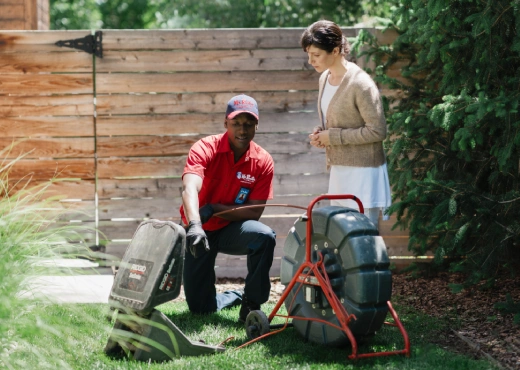
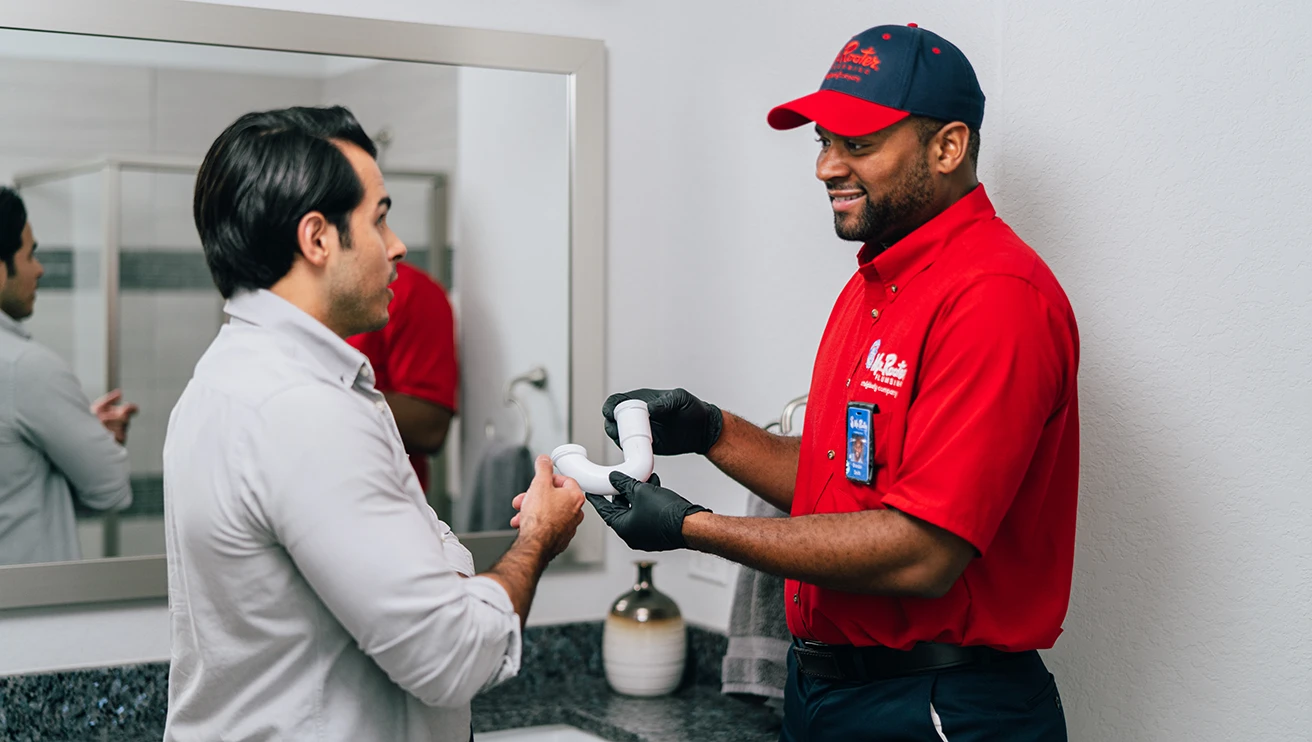
Mr. Rooter professional showing a new pipe to a customer.
Service You Can Trust!

Let us know how we can help you today.

Mr. Rooter Plumbing of Pittsburgh

Services We Provide

FAQs About Drain Repair and Replacement in Pittsburgh

  • Clay tile sewer laterals typically last 50 to 80 years under ideal conditions, but Pittsburgh's freeze-thaw cycles and expansive clay soil often shorten that lifespan to 40-60 years. Most homes built before 1970 still have original clay tile that is approaching or past its service life. The joints between clay tile sections separate as soil shifts, creating entry points for tree roots. Once roots penetrate, blockages form quickly. According to the EPA, sewer line deterioration in older urban areas contributes significantly to infrastructure failures nationwide. If your home was built before 1970 and you have never replaced your sewer lateral, a camera inspection can reveal its current condition before catastrophic failure occurs. Pittsburgh homeowners should inspect laterals every 3-5 years after the 50-year mark to catch problems early.

Service You Can Trust!

Let us know how we can help you today.

Let Us Call You

By checking this box, I agree to opt in to receive automated SMS and/or MMS messages from Mr. Rooter Plumbing, a Neighborly company and its franchisees to the provided mobile number(s). Message & data rates may apply. Message frequency varies. View Terms and Privacy Policy. Reply STOP to opt out of future messages. Reply HELP for help.

By entering your email address, you agree to receive emails about services, updates or promotions, and you agree to the Terms and Privacy Policy. You may unsubscribe at any time.