Professional Plumbing Inspection: Quick AnswerA professional plumbing inspection is a check of a home's water supply, drains, fixtures, valves, and water heater for leaks, wear, pressure problems, and blockages. Many inspections also include a camera look inside the main sewer line. Afterward, the plumber explains what needs repair now and what can wait.
|
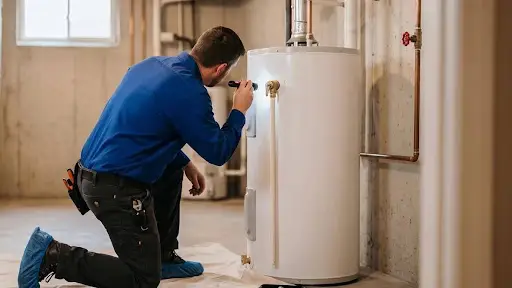
During a professional plumbing inspection, a plumber tests your water pressure, checks the pipes, fixtures, and valves they can reach for leaks and wear, looks over your water heater, and runs your drains to spot slow spots or backups. Many inspections also send a camera through the main sewer line. When it's done, the plumber walks you through what's working, what needs repair now, and what can wait.
What gets checked depends on your home. A house on a septic system or with a sump pump has parts a city-sewer home without one doesn't, and older homes may have pipe materials worth a closer look. If you already have a specific problem, like a clog that keeps coming back or a water bill that keeps climbing, a plumbing video camera inspection or leak detection visit can focus on it.
What Does a Plumber Check During a Plumbing Inspection?
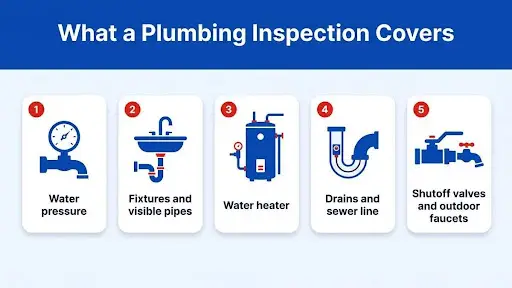
A typical inspection covers these five areas. The order can change from home to home, but here's what each check looks for.
Water pressure
The plumber attaches a pressure gauge to an outdoor faucet or laundry hookup to read your home's water pressure. Pressure that runs too high strains pipes, fixture valves, and appliance hoses, and it can cause the banging pipes known as water hammer. Plumbing codes in many areas call for a pressure-reducing valve when pressure tops 80 psi.
Low pressure has several possible causes, including a clogged aerator, a partly closed valve, mineral buildup inside older pipes, or a leak. Low pressure at one fixture usually points to that fixture, while low pressure throughout the house can point to the main valve, a pressure-reducing valve, the supply line, or the water utility. The plumber narrows down the cause before recommending a fix.
Fixtures and visible pipes
Faucets, toilets, tubs, and showers get checked for drips, running water, loose bases, and worn seals. The plumber also looks at exposed pipes under sinks and in basements, crawl spaces, and utility areas for moisture, corrosion, and leaking joints, along with the supply hoses on washing machines and dishwashers.
Toilets often get a dye test. A few drops of food coloring in the tank will show up in the bowl without a flush if the flapper is leaking. If your water meter keeps moving while all the water in the house is off, there may be a leak inside a wall, floor, or slab that may take specialized leak detection equipment to find.
Water heater
On a tank water heater, the plumber checks for leaks, rust, and signs of sediment, and looks at the temperature and pressure relief valve and its discharge pipe. Gas units also get a look at the venting and burner area. Tankless units are checked for leaks and scale buildup, which is more common in homes with hard water.
The plumber can often find the manufacture date on the unit's label or serial number. Knowing the age, along with what the inspection turns up, helps you plan for water heater repair or replacement before the unit fails.
Drains and sewer line
The plumber runs water at sinks, tubs, and showers and flushes toilets to see how fast each one drains and whether one fixture affects another, such as a tub that gurgles when the toilet flushes. Slow drains in several fixtures can point to a blockage in the main line. Gurgling can also come from a blocked vent, so the cause gets checked before anything is recommended.
A sewer camera on a flexible cable can travel through the main line and show clogs, cracks, buildup, or tree roots without digging, and you can watch the footage with the plumber. In homes with a septic system, the camera can also check the line to the tank. If the camera finds damage, the plumber can explain your options for sewer line repair.
Shutoff valves and outdoor faucets
The plumber finds your main shutoff and fixture valves and checks that they turn and fully stop the water. Valves that sit unused for years can stick or start leaking when they're finally turned, and you don't want to learn that during a burst pipe. If your main valve won't close all the way, a plumber can repair or replace the valve.
Outdoor faucets get checked for leaks and for backflow protection, such as a vacuum breaker on the hose connection, which keeps water from a garden hose from flowing back into your drinking water lines.
Homes with a sump pump, well, or septic system, and homes with older galvanized steel or polybutylene pipe, may get a closer look at those parts. Ask what's included when you schedule, since the scope can vary by location and by the reason for the visit.
What Happens After the Inspection?
You should get a clear rundown of what the plumber found. Many plumbers sort the findings by urgency:
- Fix now: active leaks, a damaged sewer line, or a water heater that's leaking or has a faulty relief valve
- Plan for soon: corroded pipes, sticking valves, high water pressure, or an aging water heater
- Keep an eye on: minor wear that isn't causing problems yet
Ask for photos or a copy of the camera footage, and ask which items affect safety and which are routine maintenance. Small repairs, like a worn toilet flapper or a dripping valve, can often be handled during the same visit, depending on parts and time. Your local Mr. Rooter Plumbing® service professionals will explain each finding and your repair options before any work begins.
When Should You Schedule a Plumbing Inspection?
An inspection is most useful when you're making a big decision about your home or when small problems keep coming back:
- Before you buy a home. A general home inspection often doesn't include a sewer camera check, and sewer line problems can be costly to repair.
- Before a kitchen or bathroom remodel. The plumber can confirm your existing pipes and drains can handle new fixtures.
- When clogs, slow drains, or odors keep returning. Repeat problems often have a cause further down the line.
- When your water bill rises without a change in use. A leak may be hiding in a wall, under a floor, or in a toilet.
- When your home is older or has had leaks before. Aging pipes and past repairs are worth checking.
How often to schedule one depends on your home. Older homes, homes with past leaks or root problems, and homes with large trees near the sewer line usually benefit from more frequent checks than newer homes with no history of trouble. Your plumber can suggest a schedule based on what they find.
How Can You Prepare for a Plumbing Inspection?
A little prep helps the plumber see more in less time:
- Clear the cabinets under sinks and the area around your water heater.
- Make sure the main shutoff valve, crawl space, and any sewer cleanout are easy to reach.
- Make a list of problems you've noticed, like slow drains, noises, stains, or low pressure.
- Have past repair records handy, along with the age of your water heater if you know it.
- Keep pets in another room while the plumber works.
Continue Your Research
- How Much Is a Plumbing Inspection?
- What Is a Water Hammer? Causes + How To Prevent It
- What Temperature Should a Hot Water Heater Be Set At?
Schedule a Plumbing Inspection With Mr. Rooter Plumbing
Your local Mr. Rooter Plumbing service professionals can check your pipes, drains, fixtures, and water heater, explain what they find, and help you decide what to fix first. They use video camera inspection to look inside drain and sewer lines without digging and can handle the plumbing repairs an inspection turns up.
Every job is backed by the Neighborly Done Right Promise®. Schedule with your local Mr. Rooter Plumbing service professionals now.
FAQs About Plumbing Inspections
Mr. Rooter Plumbing is a one-stop solution for all your plumbing service needs. Whether you need a pipe repaired, clogs cleared, or drains cleaned, you can count on our experienced team to get the job done right! Our commitment to exceptional service includes answering your questions. Here are answers to some of your most frequently asked questions about plumbing inspections.
AI Disclosure: This article may contain content, images, and/or multimedia generated with the assistance of artificial intelligence (AI). While we make every effort to review, edit, and ensure accuracy, completeness, and alignment with our content standards, we also encourage readers to verify facts, consult trusted professionals, and use their own judgment when making decisions based on their specific situation.
This article is intended for general informational purposes only and may not be applicable to every situation. You are responsible for determining the proper course of action for your home and property. Mr. Rooter Plumbing is not responsible for any damages that occur as a result of this blog content or your actions. For the most accurate guidance, contact your local Mr. Rooter Plumbing location for a comprehensive, on-site assessment.