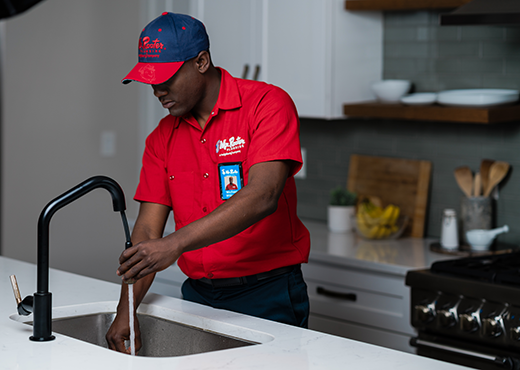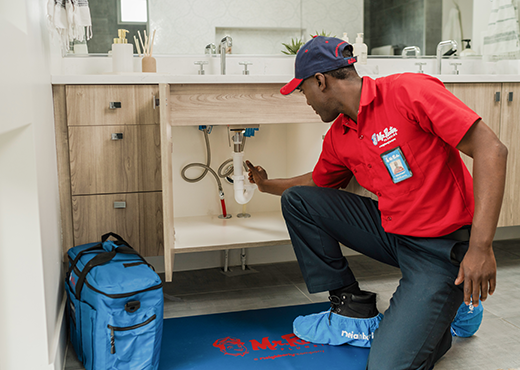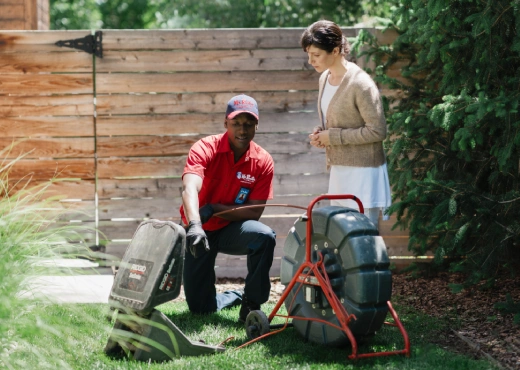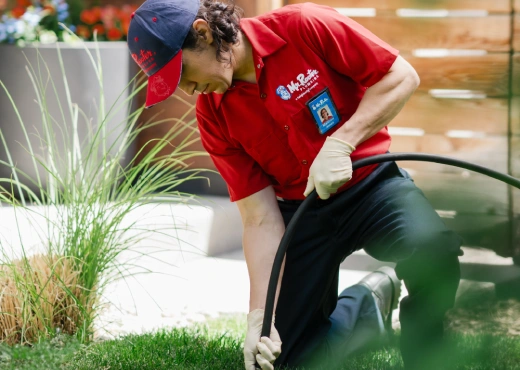
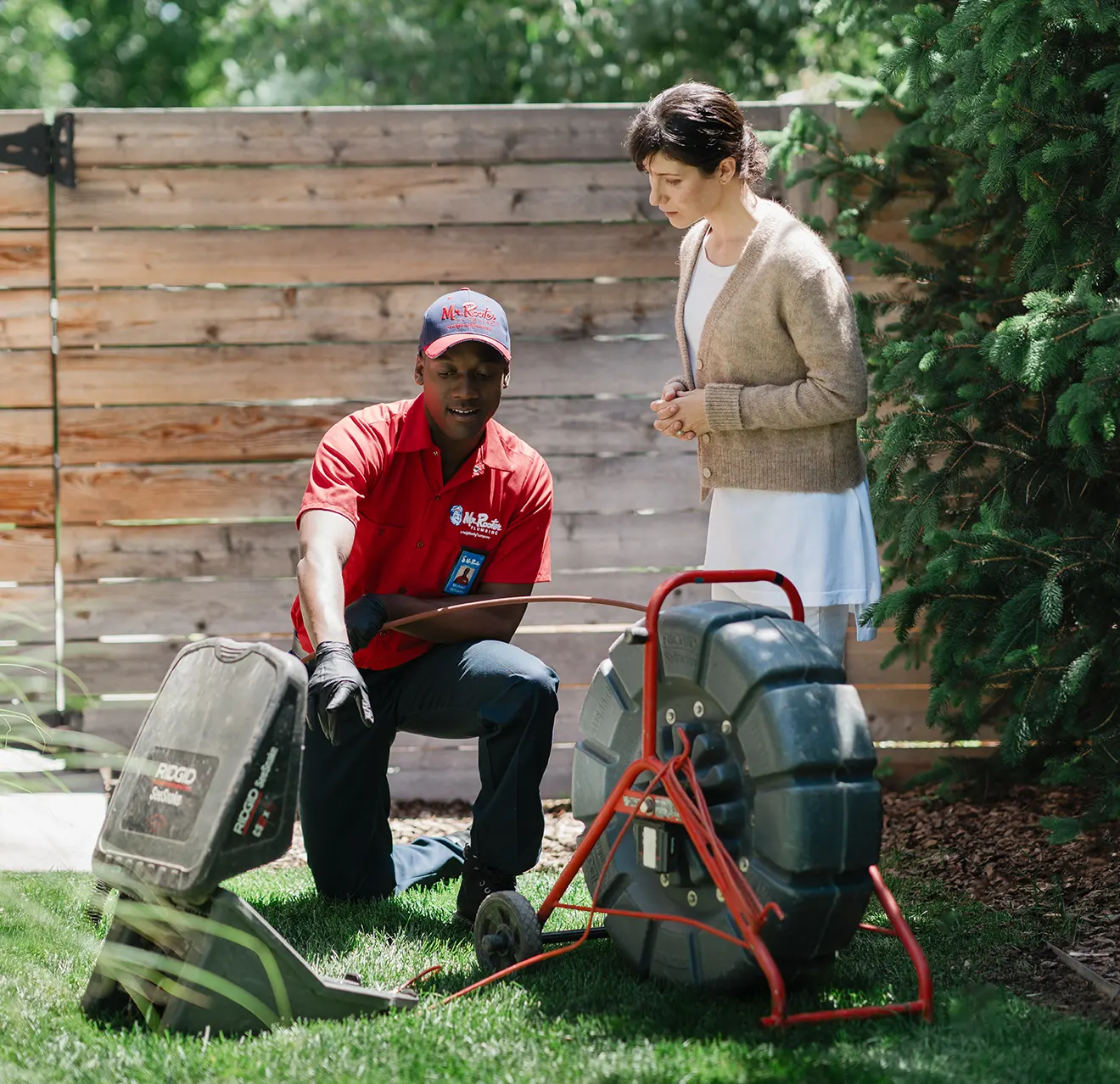
During a home sewer inspection service, a technician will insert a high-definition, waterproof camera into the sewer line to view real-time footage. They’ll assess its condition, looking for signs of corrosion, leaks, blockages, root intrusions, and anything else that may affect functionality.
It’s a completely non-invasive procedure, but it’s thorough, and by the end, the technician will know what the issue is, where it’s located, and how to fix it.
Problems a Camera Inspection Can Identify
A plumbing camera inspection can detect most sewer line issues, including:
- • Cracked and collapsed sections of piping
- • Separated or offset pipe joints
- • A buildup of grease and debris
- • Corrosion
- • Root intrusions
- • Foreign objects blocking the line
- • General deterioration
Our Sewer Camera Inspection Process
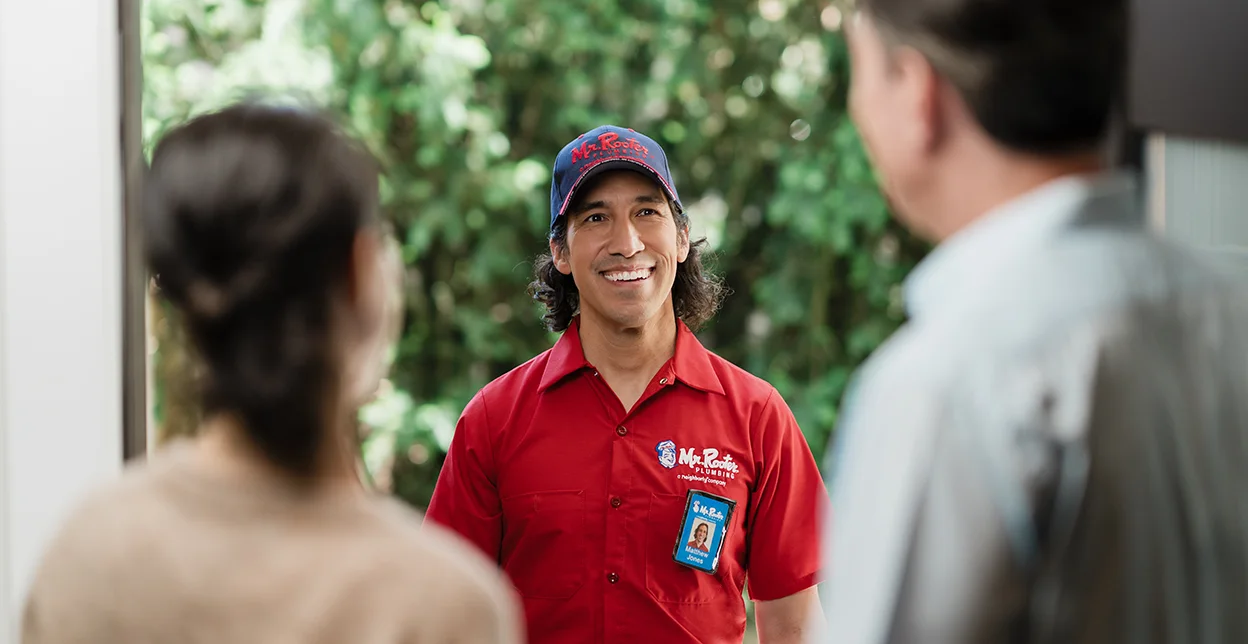
After scheduling a drain camera inspection in your home, a Mr. Rooter® technician will visit at an agreed-upon time and carefully insert a camera through an access point. As the camera moves through the line, they’ll watch the footage in real time, studying the interior walls of the pipes to check for corrosion, sediment buildup, and cracks.
Once they identify the issue, they’ll discuss repair options with you and provide necessary recommendations. You are under no obligation to accept our quote, but we guarantee there will be no hidden charges, and we can answer any questions you have about the repair process.
Benefits of Video Sewer Inspection
Sewer camera inspections are non-invasive—there’s no need to dig up your property. It’s fast, but thorough, and by precisely targeting the location of leaks, cracks, and blockages, it ensures a faster, cheaper, and less disruptive repair.
We provide documentation for all our video camera inspections—ideal for pre-purchase checks and insurance purposes—and in addition to checking for blockages, leaks, and structural problems, we can also conduct inspections as part of routine maintenance.
Homes That Benefit from Sewer Inspections
Homes in Rochester, NY, have a median age of over 50 years, and close to a third were built before 1940. If you live in one of these older properties, you may have frequent drain problems and will benefit from frequent sewer inspections.
They’re also incredibly useful for anyone buying a new property, as well as for homes surrounded by trees, due to the risk of damage from root intrusions.