Skip to Main Content Skip to Footer Content

Our Greater Syracuse Plumbing Blog

Shared Resources for Your Home Needs

All Blogs

Plumbing

Jul 10 2026

Plumbing issues often emerge at the most inconvenient times. Addressing essential home plumbing requirements can prevent issues and save you money. This guide will walk you through the basics of plumbing and keeping your water system running smoothly.

Learn more
Service You Can Trust!

Let us know how we can help you today.

About Mr. Rooter Plumbing

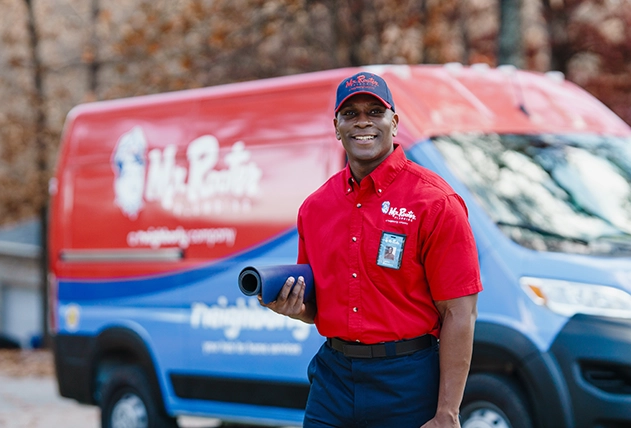
Mr. Rooter employee smiling and waving from a branded van.

Since the original Mr. Rooter was founded in 1970, the company has remained committed to a set of core values that are rooted in performing quality work at honest prices. Nearly half a century later, the original Mr. Rooter business is still servicing homes and businesses in and around Oklahoma City. It’s still independently owned and operated with strong ties to the community that made it all possible.

Learn More
\n

Table of Contents

\n
    \n
  1. Sewer or Septic System: Myths and Facts
  2. \n
  3. Septic vs Sewer System: The Biggest Differences Between the Two
  4. \n
  5. The Choice: Septic or Sewer System
  6. \n
  7. When Septic Systems are Poorly Maintained
  8. \n
\n

Drainage systems make wastewater disappear whenever toilets are flushed or hands are washed in buildings and residential properties. But for all the functions that drainage helps make possible—dishes, laundry, showers—few people stop and think about the mechanisms that go into the process. The whole thing basically comes down to two types of systems: sewer and septic.

\n

Sewer systems are more common because they're funded and maintained by local governments. Septic systems, however, are becoming more popular as an affordable, environmentally sound alternative that give homeowners full control over their drainage. The following article examines the facts, pros, and cons of the whole septic vs sewer system debate.

\n

Sewer or Septic System: Myths and Facts

\n

When it comes to the sewer vs. septic system debate, a lot of half-truths and outright inaccuracies persist in the minds of many homeowners. Sewers, on one hand, are generally viewed as the cheaper, easier option because there's no maintenance involved. All you need to do is wash something down a drain or flush it down a toilet and it's gone forever.

\n

While septic systems are sometimes viewed as the more eco-friendly option, many people are apprehensive about the costs and maintenance involved. As a result, homeowners often perceive more resale value in houses linked to sewer lines over those equipped with septic systems. But does the latter really cost more and require frequent maintenance? Read on to learn the benefits of sewer vs septic systems.

\n

Similarities Between Sewer and Septic Systems

\n

In many ways, sewers and septic systems offer the same benefits. Both systems filter out black water — the water you flush — and grey water, which comes out of sink and shower drains. In terms of sanitation, both systems filter bacteria and pathogens from water before it flows back out into the environment. Basically, the two systems both offer reliable drainage of wastewater from houses and buildings with minimal problems the majority of the time.

\n

Both systems, however, can also have their drawbacks. A sewer system connects whole communities to one centralized drain field. Consequently, sewers can sometimes get clogged with grease, hair, and hard elements, all of which can cause sewage to plug up sinks, toilets, and bathtubs. Since sewage systems are paid for and maintained by local governments, residents don't have to handle the maintenance and labor, but they do have to foot the fees.

\n

Septic systems, by contrast, are generally the responsibility of private homeowners. A septic tank should perform without a hitch over expected time spans, providing the tank is pumped and maintained at recommended intervals. If a tank does malfunction, it's likely due to negligence on the part of the homeowner, and therefore it’s his or her responsibility to call out a service crew and pay for the needed repairs.

\n

Ask An Expert

\n

How Do Septic Systems Work?

\n

A septic system is a steel or concrete tank that's situated under the soil near a commercial or residential property. Wastewater goes in on one side and filters out through the other to a drain field. Most tanks are capable of holding 1,000 gallons of water. Inside the tank, the water splits into three layers. Everything that floats rises to the top, which is known as the scum layer. All the heavy material sinks to the bottom, which is known as the sludge layer. Between the two is a layer of clear water, which contains fertilizing chemicals like phosphorus and nitrogen.

\n

Wastewater is led into the tank through a series of pipes that connect to the toilets, bathtubs, sinks, and laundry machines in a given house or building. As scum is rinsed out of the wastewater, the tank produces rancid gases which are filtered through vent pipes that funnel out of rooftops. With each influx of wastewater, the tank empties earlier loads through distribution boxes that lead to drain fields.

\n

Septic Tank vs Sewer Cost

\n

While the considerable costs of septic system repairs are often discussed, what isn't as well known is the fact that municipal sewer systems can also come with some hefty costs. For starters, homeowners can be charged pricey fees for installation and repairs on newer sewage systems. Many communities even impose what are known as Sewer Betterment fees, which can rise into the five figures. As revealed by Hopkinton Mass.-based realtor Bill Gassett, the recent Betterment fee in his town was $16,000.

\n

Debates have been waged between municipal boards regarding the best possible ways to handle sewer development costs, which are known to rise as new pumping stations are constructed. Certain municipalities have even gone so far as to impose liens on homes that haven't paid their fees. Houses everywhere could be subject to such costs, but properties situated in sparsely populated areas stand to pay the highest fees, due to the small number of taxpayers who reside in such areas to share the costs. Even if the pipes and pumps are already in place, there are still fees involved in linking a house to a nearby system, the costs of which can rack up into the thousands on top of maintenance and usage fees.

\n

Sewer fees differ from city to city, but specific localized rates per household include the following:

\n\n

On the other hand, the cost of having a septic tank is merely down to pumping, which only needs to be done every 3-5 years and generally falls within a price-range $200 to $300. With proper maintenance, some tanks can go for a decade or more between pumps.

\n

Another issue that factors into the pricing comparison is the business surrounding sewage systems, which have become subject to an ever-growing set of complex, costly improvements. Septic systems, by contrast, only need minor touchups to work perfectly over lengthy spans of time. On average, a septic system for a standard-sized household on even land and healthy soil will run anywhere from $3,500 to $6,000. Depending on the type of tank, septic systems generally last for the following lengths of time:

\n\n

With proper maintenance, septic drain fields typically last 20 years, though some could possibly last for half a century.

\n

Benefits of Septic vs Sewer

\n

As the public becomes better informed about the needs of the environment, septic tanks are becoming a selling point for properties in the minds of younger homebuyers. The reason for this shift in opinion is that septic tanks are reputed to be the green-friendly alternative to old fashioned sewer systems.

\n

With sewer systems, energy and chemicals are needed to pump and treat the water. Concerns have developed over the impact this could have on rivers as the bacteria of sewage stream outward. There are also issues involving the stability of treatment plants, which can overflow in times of intense downpour or overuse.

\n

None of those problems are an issue with septic systems, which pump and treat water without the need for energy or chemicals. Used water is returned to the aquifer, which never overflows if properly maintained. Since such systems are evenly distributed, there's no single point at which treated outflows are run from large communities of houses and buildings. Wastewater, by contrast, is carried away in small, even amounts. In many communities, particularly those that are modestly populated, septic systems are the cost-efficient answer for sanitation and water quality concerns.

\n

Septic vs Sewer System: The Biggest Differences Between the Two

\n

Perhaps the most liberating aspect of owning a septic system is the ability to set one up virtually anywhere with healthy soil. For a new house in a remote area, connecting to a sewer system is usually costly and difficult. In some cases, it’s even impossible due to the lack of nearby sewage lines. For those situations in particular, septic systems are a viable, cost-effective alternative. Furthermore, septic systems don't come with the municipal obligations of sewage lines, so there's no need to worry about pipes, pumping stations, replacements, or infrastructural renovation costs.

\n

Nonetheless, sewer systems do have the power to handle large amounts of wastewater from the collective addresses of cities, towns, and suburbs. Due to the marketability of houses on sewer lines, many homeowners still prefer such properties. Sewer lines are also built to accommodate the largest possible amounts of water; as such, they can take on storms and periods of heavy downpour. Since the management of sewer lines fall on local governments, people often assume that such systems will be better managed in the most well-financed and capable of hands. Furthermore, the thought of having wastewater conveniently sent to one big treatment center is an attractive prospect to any homeowner who has endured a septic system backup.

\n

Given these differences, the preference between one system or the other could largely be based on one's independent mindedness as a homeowner. If you don't mind the municipal obligations that can factor into your dependence on a centralized sewer system, then that might be the adequate option, especially if you're likely to change addresses every few years or less. But if you want independence as a homeowner and are looking to choose a remote or custom-built residence and have personal responsibility for the running of your wastewater, then a septic system would be the more ideal option.

\n

The Choice: Septic or Sewer System

\n

Whenever it comes to existing properties, the choice between a sewer or septic system is usually not even on the table. But if you move into a septic-based community where all the neighbors are lobbying to have a sewer line, the choice would likely be yours to either opt in or stick with a septic tank.

\n

If you're having a home custom built on some remote hill, deep forest, or sparse rural environment, a septic system will likely be your only choice. Within this context, a septic system would be the more suitable option anyway. After all, the independence and responsibility of maintaining such a system would go hand-in-hand with the will to live in a remote, custom-built property. For instance, if you were to buy a few acres of land out in some deep, green, spacious forest area, and then you built a house yourself on that land and proceeded to own it free and clear, owning your own drainage system, independent of local government, would complete the picture.

\n

When Septic Systems are Poorly Maintained

\n

Problems with septic systems usually come down to the negligence of property owners. When a tank isn't adequately maintained, the outflow can be detrimental to lake water purity and hazardous to the surrounding environment. For example, if wastewater isn't sufficiently treated, it can spread contamination to other water and cause human health threats. As stated by the University of Minnesota Extension (UMNE) in its Septic System Owner’s Guide, the way to \"guarantee effective treatment is to have a trained professional ensure [that] adequate, unsaturated, and suitable soil exists below the soil treatment area to allow for complete wastewater treatment.\"

\n

UMNE has also linked contaminated sewage to the appearance of hepatitis and dysentery pathogens in tap water. Contaminants, for instance, can infect drinking water with higher levels of nitrate, which can take its toll on people with weak immune systems, as well as toddlers and pregnant women. Increased nitrates are even damaging to the air and water quality of surrounding ecosystems, thereby devastating the flora and fauna of a given area. Furthermore, bugs and rodents that fester in areas with sewage-contaminated wetlands can spread diseases to people, pets, and livestock. With all these things taken into consideration, it's crucial to keep your septic system well maintained throughout the time that you own and reside at a given property. To prevent the sludge layer from rising too high, the system should be cleaned and inspected at least every few years.

\n

Of course, maintenance and pumping of the tank itself is merely half of what it takes to responsibly run a drainage system; a lot of it also comes down to how you treat the pipes that lead to the tank. In order to prevent the pipes from clogging, don't allow grease, hair, or hard particles to slip down your sink or shower drains. Furthermore, don't plant trees or other heavily rooted plants either on or near the area of soil in which the system lies, because roots and bulbs can grow stronger as time passes and ultimately damage drainage pipes. After all, the purpose of having a septic tank is to enjoy good, clean, affordable, eco-friendly drainage for the full span of your time on a given property. When you do decide to sell, a perfectly operating septic system could also add value to your property.

\n

If you're in need of maintenance or pumping on your septic system, contact Mr. Rooter Plumbing of Syracuse. We provide plumbing repair, drain cleaning, maintenance, and installation of septic systems in the Greater Syracuse area. Call us today to learn more about our services or to schedule an appointment. We’ll send a licensed plumber who is certified by Onondaga County for plumbing leak detection or any plumbing related project.

\n

Request Job Estimate

\r\n"}, { "custom_dt_modified":"2026-07-08T11:17:35Z", "custom_s_local_url":"/greater-syracuse/about-us/blog/when-to-repair-vs-replace-with-plumbing/", "custom_s_opus_version":"2", "custom_s_heading":"When To Repair vs. Replace With Plumbing", "custom_s_local_dba":"greater-syracuse", "custom_dt_created":"2026-02-11T00:00:00Z", "custom_s_category":"plumbing", "custom_ss_category":["plumbing"], "custom_s_article_summary_Image_url":"", "custom_t_content_summary_Desc":"Every homeowner dreads plumbing issues. Fortunately, we understand the worries that come with plumbing problems. This guide will help you understand when to opt for a repair and when to replace your plumbing system.", "custom_t_content_summary_Image_url_alt":"", "custom_t_heading":"When To Repair vs. Replace With Plumbing", "custom_t_content":"

Quick Answer — 7 Signs You Should Replace Plumbing Instead of Repairing It:

\n\n

Every homeowner dreads plumbing issues. Maybe you are dealing with a leaky faucet or low water pressure and are wondering if you should repair the issue or consider a complete replacement. Fortunately, we understand the worries that come with plumbing problems. This guide will help you understand when to opt for a repair and when to replace your plumbing system.

\n

Plumbing Issues Your House Might Be Facing

\n

Your home's plumbing system constantly works behind the scenes to bring in clean water and remove wastewater. With all that action, it is natural for issues to arise. Here are some common plumbing problems you may experience:

\n\n

How to Determine When It Is Time to Repair or Replace Your Plumbing

\n

Here is how to tell when a repair might suffice and when it is smarter to invest in a replacement.

\n

1. Frequent Leaks

\n

If you are experiencing persistent leaks, it could mean your pipes are nearing the end of their life span. A single leak is often repairable, but consistent leaks may signal an issue with the plumbing system. Repeatedly patching leaks can add up in cost and cause water damage to your home. Replacing the pipes or the entire plumbing system can be a better long-term solution.

\n

2. Corroded Pipes and Discolored Water

\n

Corroded pipes affect water quality and may weaken the plumbing system's components. Replacing old pipes can resolve water quality issues and ensure clean water flows through your fixtures. If the discoloration only occurs with hot water, your water heater may need a flush or replacement.

\n

3. Strange Odors

\n

Water that smells metallic or sulfuric suggests issues within the plumbing system. Metallic or rusty smells indicate corrosion, while sulfur-like odors may point to bacteria growth. If these odors persist, consult a plumber to replace your plumbing system.

\n

4. Cracks in Pipes or Fixtures

\n

Cracks often lead to leaks, which can damage surrounding areas, attract mold growth and increase your water bill. Smaller cracks may be repairable, but replacing cracked pipes or fixtures is better. Contact a professional for plumbing pipe repairs.

\n

5. Slow Drainage

\n

If you are constantly dealing with slow drains — even after repeated professional cleaning — it could signal damaged or narrowed pipes. Buildup accumulates in aging pipes and further restricts water flow. A licensed plumber can clear these clogs and restore normal water flow. Replacing pipes will improve drainage and prevent ongoing issues.

\n

6. Green Lawn or Standing Water

\n

A bright green lawn in specific patches may look healthy, but it could actually signal a sewer line leak. Sewer leaks release biological waste into the soil and create lush growth in affected areas. If you notice unusually green patches, standing water or a foul odor in your yard, contact a professional for a sewer line replacement.

\n

7. Increase in Water Bill

\n

A sudden increase in your water bill might point to a leak. Look for visible leaks, and if you can't locate the issue, a plumber can help you identify the source. If you discover multiple small leaks or have aging pipes, replacing them with newer material may bring your bill back to normal.

\n

Seasonal Maintenance Checklist for Your Home Plumbing System

\n

Each season brings different plumbing challenges, so here are a few essential maintenance tasks to focus on throughout the year to keep your system in good shape.

\n

Spring Plumbing Maintenance

\n

Spring is ideal for a full plumbing checkup after the winter. Follow this upkeep checklist to ensure your system is ready for the months ahead:

\n\n

Summer Plumbing Maintenance

\n

Summer's higher temperatures can make detecting and fixing other plumbing issues much easier. Here are some steps to take:

\n\n

Fall Plumbing Maintenance

\n

Follow this checklist during fall to winterize your plumbing system:

\n\n

Winter Plumbing Maintenance

\n

Cold winter conditions can lead to frozen pipes. Here are precautions you can take to protect your system:

\n\n

How to Choose a Plumber in New York

\n

Here is how to vet plumbing professionals in Syracuse.

\n

Look for Licensed and Local Professionals

\n

Choosing a licensed plumber means working with a qualified professional who prioritizes safety and follows relevant codes. Additionally, local experience is invaluable. New York's specific climate, water quality and environmental conditions require plumbing professionals familiar with Syracuse who can offer insights and solutions for your home's plumbing system.

\n

Consider Their Range of Services

\n

A reliable plumber should offer a comprehensive range of services. This includes emergency repairs, scheduled maintenance and expertise in various plumbing issues. This expertise means you get an all-in-one provider to meet your needs.

\n

Ensure Upfront Pricing and Transparency

\n

No one likes hidden fees or unexpected costs. A reputable plumber will provide upfront pricing and transparent quotes so you can budget accordingly. Look for a plumber who explains the project's scope, discusses potential additional costs and provides written estimates. Some plumbers value upfront pricing with no overtime charges, so you know what you are working with before any job begins.

\n

Evaluate Their Customer Service and Professionalism

\n

Customer service quality can tell you a lot about a plumber's professionalism. Seek companies that treat you with respect, are courteous and provide clear communication. Additionally, look for professionals who take safety precautions and keep their work areas clean.

\n

Prioritize Emergency Availability

\n

Plumbing emergencies do not follow a schedule, so issues like a burst pipe or sewer backups need immediate attention. Partner with a plumbing company that offers emergency services so you are covered when an issue arises. Mr. Rooter Plumbing of Greater Syracuse offers emergency plumbing repairs in towns across Syracuse, so you have access to help when you need it most.

\n

Contact Mr. Rooter Plumbing for Plumbing Repairs in Syracuse, NY

\n

Choosing the right plumber can make all the difference in the quality and reliability of your plumbing system. Mr. Rooter of Greater Syracuse has a team of licensed plumbers ready to assist with plumbing leak detection or any plumbing-related project. Our professionals can address routine maintenance, plumbing pipe replacement or sewer line replacement.

\n

No matter what your plumbing needs are, we're here to serve residential and commercial customers in Syracuse, NY. Contact us today to schedule an appointment.

\r\n"}, { "custom_dt_modified":"2026-07-08T11:05:31Z", "custom_s_local_url":"/greater-syracuse/about-us/blog/what-to-do-when-your-toilet-won-t-flush/", "custom_s_opus_version":"2", "custom_s_heading":"What to Do When Your Toilet Won't Flush", "custom_s_local_dba":"greater-syracuse", "custom_dt_created":"2023-09-01T00:00:00Z", "custom_s_category":"diy", "custom_ss_category":["diy,bathrooms,indoor-living"], "custom_s_article_summary_Image_url":"/us/en-us/mr-rooter/_assets/images/mrr-blog-what-to-do-when-your-toilet-wont-flush.webp", "custom_t_content_summary_Desc":"When your toilet is not flushing or will not flush all the way, it raises concerns. Ensure you know what to do when you have issue", "custom_t_content_summary_Image_url_alt":"Toilet Flush", "custom_t_heading":"What to Do When Your Toilet Won't Flush", "custom_t_content":"

\"toilet

When your toilet is not flushing or will not flush all the way, it raises concerns. Ensure you know what to do when you have issues with your toilet flushing so you can correct them as soon as possible.

\n

Reasons Your Toilet Isn't Flushing

\n

Before fixing your toilet, you need to diagnose the issue. There are many reasons why your toilet won't flush, including:

\n

It is clogged: An obvious reason your toilet is not flushing is because it is clogged. You will often see that it is blocked, but sometimes, the clog happens further in the sewer line. Your toilet could also be partially clogged, which could be why the flush isn't as strong as usual.

\n

The handle or chain is disconnected: Sometimes, the chain that the handle controls to flush is not connected correctly to the flapper. It could be disconnected or the wrong length, affecting the flushing functionality.

\n

The flapper will not close: Your toilet's flapper should seal tightly when closed. If it is not closed correctly, it can affect how your toilet flushes.

\n

The toilet tank is not filling: The toilet tank contains the water used to flush contents down the toilet. When the tank is not filling, you may have a weak flush or none at all.

\n

The jets need cleaning: Flushing water comes out of the holes under the toilet's rim. If little to no water comes out, they probably need cleaning.

\n

The overflow tube needs adjusting or replacing: The overflow tube helps empty water into the toilet bowl while flushing. If the tube is not working or is broken, water will not be in the bowl and the tank could overfill.

\n

How to Fix a Toilet That Won't Flush

\n

How you fix your toilet when it is not flushing properly, or at all, depends on the problem. For instance, plunging the toilet could be the solution if it is clogged. If the issue is the chain, maybe you only need to replace it or reconnect it.

\n

For more complicated problems, like when the tank is not filling or the clog is further in the sewer line, it is best to rely on the expertise of a professional plumber. Hiring a plumber ensures critical plumbing issues receive proper attention and ideal solutions.

\n

Contact Mr. Rooter Plumbing of Greater Syracuse

\n

If you have issues with your toilet not flushing, turn to Mr. Rooter Plumbing. Our team will help get your toilet working so you and your family can use it in peace again. Whether you need a job estimate or want to replace your toilet, we are here for you.

\n

Learn more about our services or schedule an appointment by completing our contact form.

\r\n"}, { "custom_dt_modified":"2026-07-08T11:03:45Z", "custom_s_local_url":"/greater-syracuse/about-us/blog/what-is-domestic-sewage-/", "custom_s_opus_version":"2", "custom_s_heading":"What Is Domestic Sewage?", "custom_s_local_dba":"greater-syracuse", "custom_dt_created":"2015-11-01T00:00:00Z", "custom_s_category":"plumbing", "custom_ss_category":["plumbing"], "custom_s_article_summary_Image_url":"", "custom_t_content_summary_Desc":"There are three different types of wastewater (a polite way to say sewage!): domestic sewage, industrial sewage, and storm sewage.", "custom_t_content_summary_Image_url_alt":"", "custom_t_heading":"What Is Domestic Sewage?", "custom_t_content":"

There are three different types of wastewater (a polite way to say sewage!): domestic sewage, industrial sewage, and storm sewage. Domestic sewage is the used water from houses and apartments, mostly coming from the kitchen, bathroom, and laundry sources. Things like dishwashing, the garbage disposal, and of course baths and showers are included in the mix.

\n

So why are we bringing up domestic sewage?

\n

Domestic sewage contains much more than just water. It contains anything that might go down the drains, soaps, bits of food, hair, and anything else that might get flushed down. It’s filled with organic materials and plant nutrients that tend to rot along the way.

\n

Is there a problem with domestic sewage?

\n

The various soaps and powders that we use to clean our house and laundry can sometimes contain harmful chemicals. These chemicals, when added into the sewage supply can affect the health of all forms of life in the water. When sewage enters a lake or stream, microorganisms begin to decompose the organic materials.

\n

Some people say “the solution to pollution is dilution”. Try to say that three times fast! When small amounts of sewage are discharged into a flowing body of water, a natural process of stream self-purification occurs. Instead of discharging sewage directly into a nearby body of water, it’s better to let it pass through a combination of physical, biological, and chemical processes that remove some or most of the pollutants – this takes place in sewage treatment plants and of coursepersonal septic systems.

\n

Sewage treatment plants and septic tanks neutralize and deactivate the chemicals found in wastewater. They work by relying on bacteria that will eat away the nitrates and organic matter that is found in the wastewater. Restoration of wetlands in certain areas can also help both the environment as well as treating domestic sewage before it pollutes the natural waterways.

\n

Are there any simple steps to help stop wastewater pollution?

\n

Don’t flush things that don’t belong! Don’t flush wet wipes, sanitary napkins, or things like cotton swabs. Make sure your children know what goes down the toilet and the garbage disposal. If it doesn’t belong, bag it or if it’s organic, compost it!

\r\n"}, { "custom_dt_modified":"2026-07-08T11:00:10Z", "custom_s_local_url":"/greater-syracuse/about-us/blog/touch-vs-touchless-faucet/", "custom_s_opus_version":"2", "custom_s_heading":"Touch vs. Touchless Faucet", "custom_s_local_dba":"greater-syracuse", "custom_dt_created":"2019-11-01T00:00:00Z", "custom_s_category":"plumbing", "custom_ss_category":["plumbing"], "custom_s_article_summary_Image_url":"/us/en-us/mr-rooter/_assets/images/mrr-blog-faucet-with-touch-vs.-touchless-faucet-.webp", "custom_t_content_summary_Desc":"
", "custom_t_content_summary_Image_url_alt":"2-cleanliness.jpg", "custom_t_heading":"Touch vs. Touchless Faucet", "custom_t_content":"

Table of Contents:

\n
    \n
  1. What Is the Difference Between a Touch and Touchless Faucet?
  2. \n
  3. How Do Touch-Sensitive Faucets Work?
  4. \n
  5. Pros and Cons of a Touch Faucet
  6. \n
  7. How Do Touchless Faucets Work?
  8. \n
  9. Pros and Cons of a Touchless Faucet
  10. \n
  11. Choosing the Right Faucet for Your Application
  12. \n
  13. Schedule a Plumbing Service with Mr. Rooter of Greater Syracuse Today
  14. \n
\n
\"Faucet
\n

There are many types of kitchen sinks and faucets to consider when you are upgrading your kitchen, so you may overlook less common options like touch and touchless faucets. Touch and touchless faucets are more than just neat or novelty kitchen gadgets. They can make using the sink more convenient, can help you conserve water and can help you keep your kitchen clean and germ-free.

\n

If you are looking to upgrade your standard kitchen faucet, both touch and touchless faucets are great options to consider, but you may find that one is a better fit for what you're looking for.

\n

What Is the Difference Between a Touch and Touchless Faucet?

\n

Touch and touchless faucets may sound like opposites, but they are actually quite similar. Both types of faucets are innovative versions of the traditional kitchen faucet. Unlike a traditional faucet, which requires a person to pull or push a handle, touch and touchless faucets minimize the action required to turn the tap on and off. The difference between the two is that a touch-sensitive kitchen faucet responds to physical touch, while a touchless faucet detects the presence of something in front of it.

\n

How Do Touch-Sensitive Faucets Work?

\n

How can a kitchen faucet turn on and off with a single touch? The answer comes down to electricity. Whenever you shock someone by touching them in the winter, it is a reminder that our bodies have the capacity to store electrical energy, known as capacitance. A touch-sensitive faucet also maintains an electrical charge and is equipped with a sensor that picks up on an increase in that charge when you touch it.

\n

These sensors are even sophisticated enough to tell the difference in a single touch and a more prolonged grab that might occur when you're moving the faucet or cleaning it. The sensor is designed to only turn on and off with a single touch and shouldn't react at all to a longer grab.

\n

Pros and Cons of a Touch Sink Faucet

\n

There are some valuable benefits of touch-sensitive kitchen faucets, including:

\n\n

\"Person

\n\n

There aren't many cons to a touch faucet. Some homeowners do not consider them because they cost more than traditional sink faucets. However, they can save you money over time by reducing water usage since they have automatic faucet shut-off. Installation is more involved with these faucets than standard faucets, though, so you will want to depend on professional help. If you use electrical power to run the faucet, you may see an increase in your energy usage. But you can also opt for battery power.

\n

How Do Touchless Faucets Work?

\n

Like touch faucets, touchless faucets — also called touch-free faucets — use sensors. These sensors are not designed to detect physical touch. Instead, they sense the presence of your hand or something else in front of the faucet. Most hands free faucets do this with an infrared detector paired with an infrared light. When your hand moves in front of the sensor, the infrared light bounces off of your hand and into the detector.

\n

That means all you have to do to turn the faucet on and off is to move your hand in front of the faucet. There are other types of sensors on the market, too, such as ultrasonic field sensors. With these sensors, your hand moving in front of the sensor disrupts the field, signaling the faucet to turn on or off.

\n

Pros and Cons of a Touchless Sink Faucet

\n

Now, let's talk about the pros and cons of touchless kitchen sink faucets. You will notice these pros closely mirror those of touch faucets:

\n\n

Like touch faucets, touchless faucets also tend to cost more than traditional faucets. Another downside is that, since this faucet uses electric power, a power outage means you won't be able to use your faucet's sensor. This is not an issue if you use batteries to power your faucet. The other issue you may run into with touch-free faucets is accidental activation. You may be moving dishes, for example, and turn the faucet on unintentionally. Pets can also turn the faucet on if they climb over the sink.

\n

Choosing the Right Faucet for Your Application

\n

\"Brass

\n

Both touch and touchless faucets can be impressive upgrades compared to a traditional faucet. Both options exist because people have different preferences on which is best. People who find they are frequently turning on their kitchen sink with dough, raw meat or other food on their hands may want a completely touchless experience. The same may be true for people who get their hands dirty with other tasks like gardening or pottery. When you want water on-demand with no mess, touchless faucets are the ideal choice.

\n

Some people prefer a touch faucet because it offers more control to the user. It is less likely to accidentally turn the faucet on or off when you have to physically touch as opposed to make a motion in front of it. Since you can activate these faucets by touching them with a wrist or elbow, you can usually still avoid transferring the mess on your hands onto the faucet.

\n

Schedule a Plumbing Service with Mr. Rooter of Greater Syracuse Today

\n

Are you ready to discover the benefits of a touch-sensitive or touchless faucet? It is best to get professional installation anytime you are investing in an important appliance or product like an upgraded faucet. At Mr. Rooter of Syracuse, we have the experience and knowledge needed for expert installation of these faucets. Call us for advice on which faucet to purchase or to schedule an installation. We can help you start enjoying the benefits of a touch or touchless faucet in your home.

\r\n"}] }}